Design Specifications
Asset Details

Artist Narrative
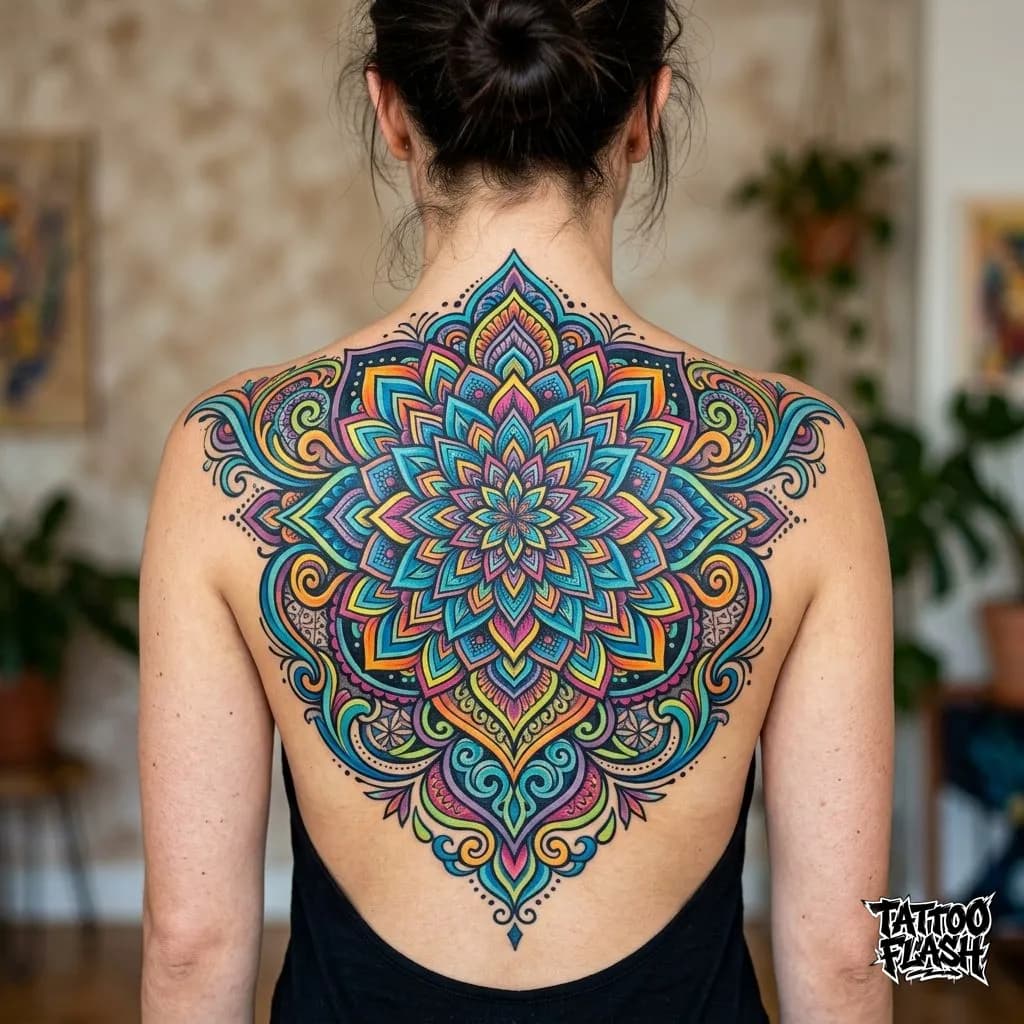
The linework relies on consistent single-needle tracking with rigid geometric intersections, while heavy black saturation and stippled gradients establish high-value contrast against calculated negative space. However, the radial symmetry of the mandala conflicts with the cylindrical topography of the forearm, requiring strategic scaling along the brachioradialis and flexor carpi radialis to prevent optical distortion during pronation and supination. Without compensatory contour mapping, the rigid vector alignment will fracture across the muscle bellies, compromising long-term structural integrity.
Placement Guidance
Geometric work typically reads best when the main silhouette stays clear at the forearm.
This concept leans on denser contrast and layered detail to stay readable after healing.
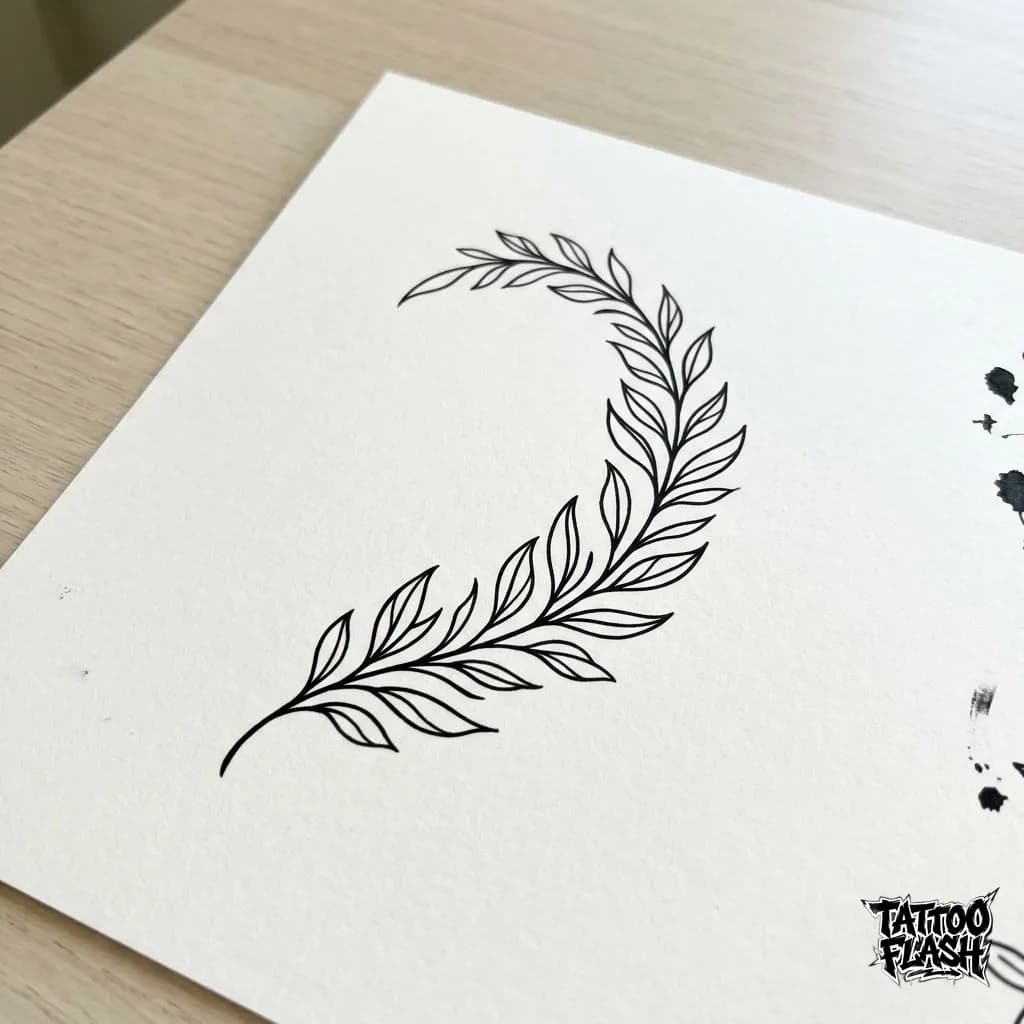
The asymmetry gives the piece more motion and helps it follow natural anatomy.
How To Use This Concept
- Bring this concept as a directional brief, not a final stencil. Let your artist adapt line weight and spacing to your skin and scale.
- Geometric references like this are strongest when the anchor shapes remain readable from a few feet away.
- If you want variants, start by adjusting size, placement, or the tattoo reference emphasis before changing the whole concept.