GeometricArm
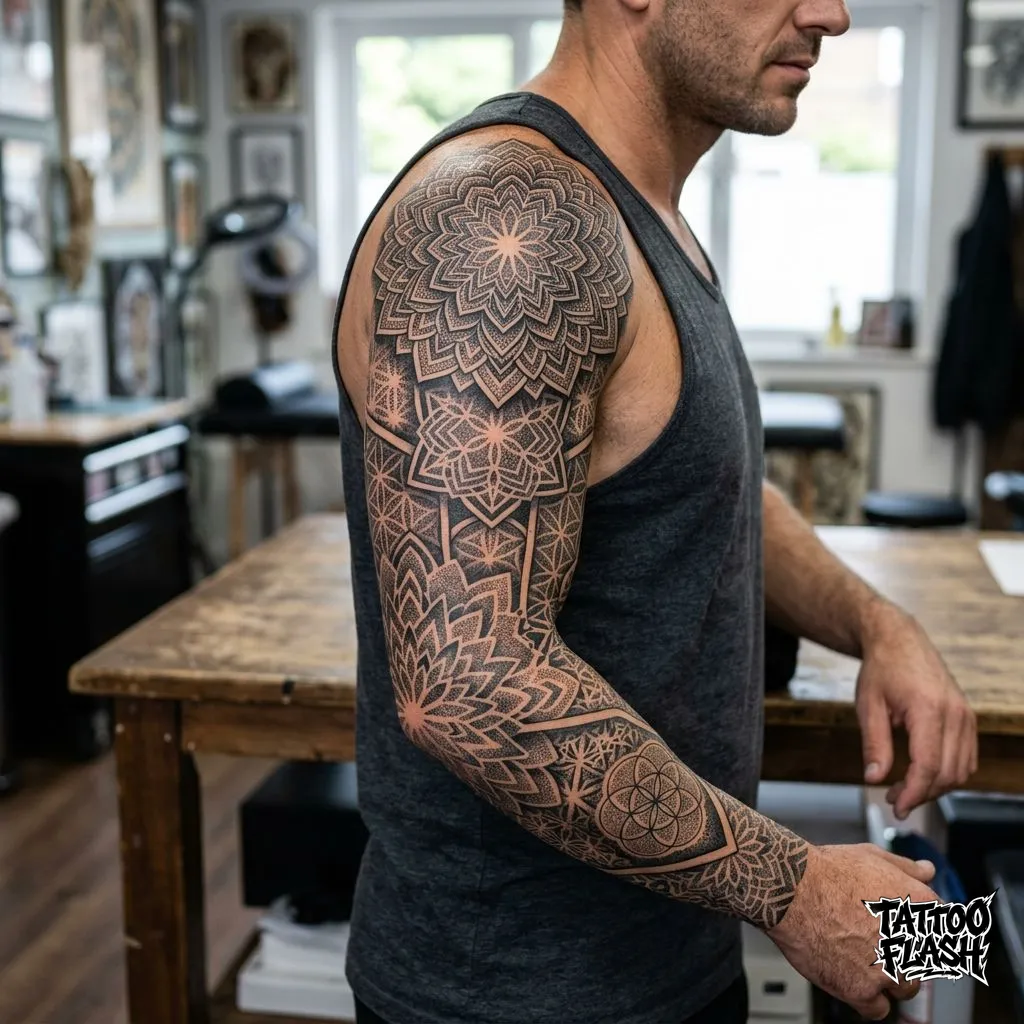
Geometric Mandala Sleeve TattooStyle Focus
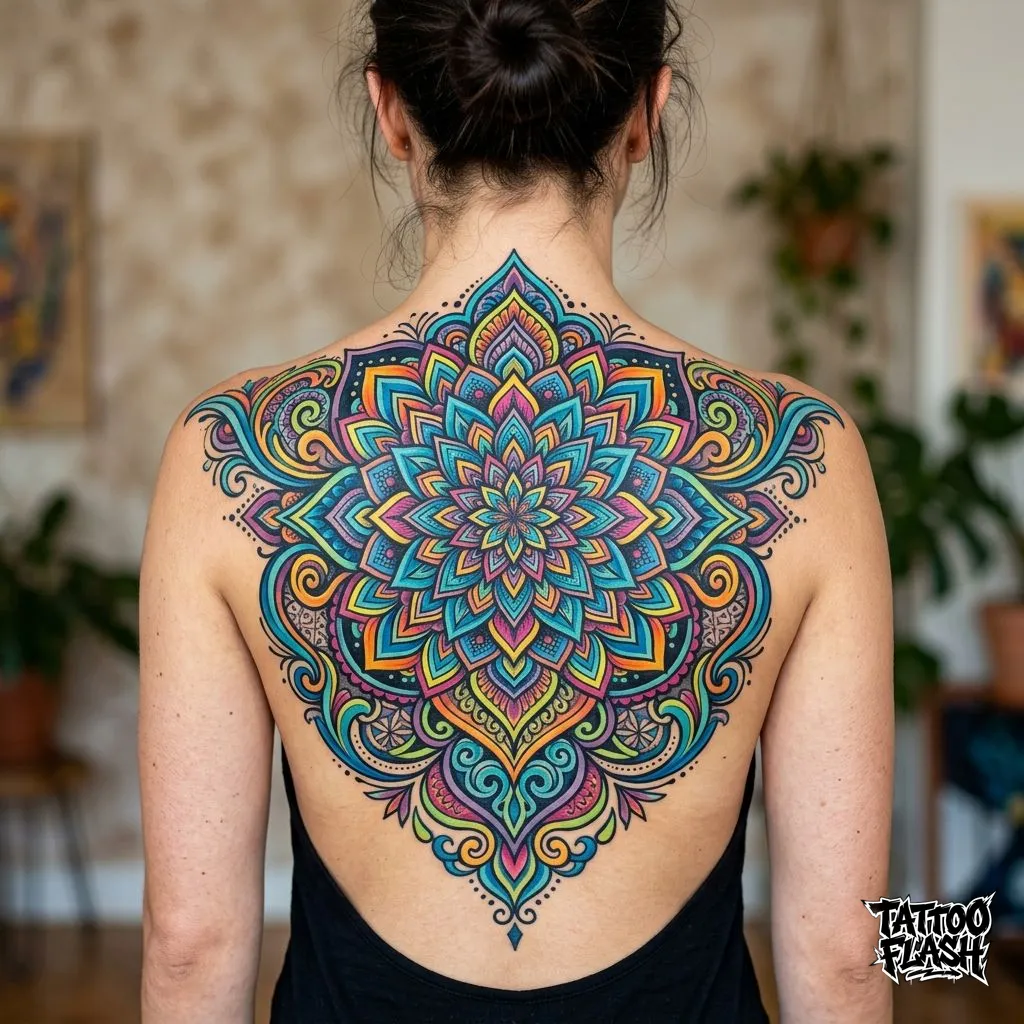
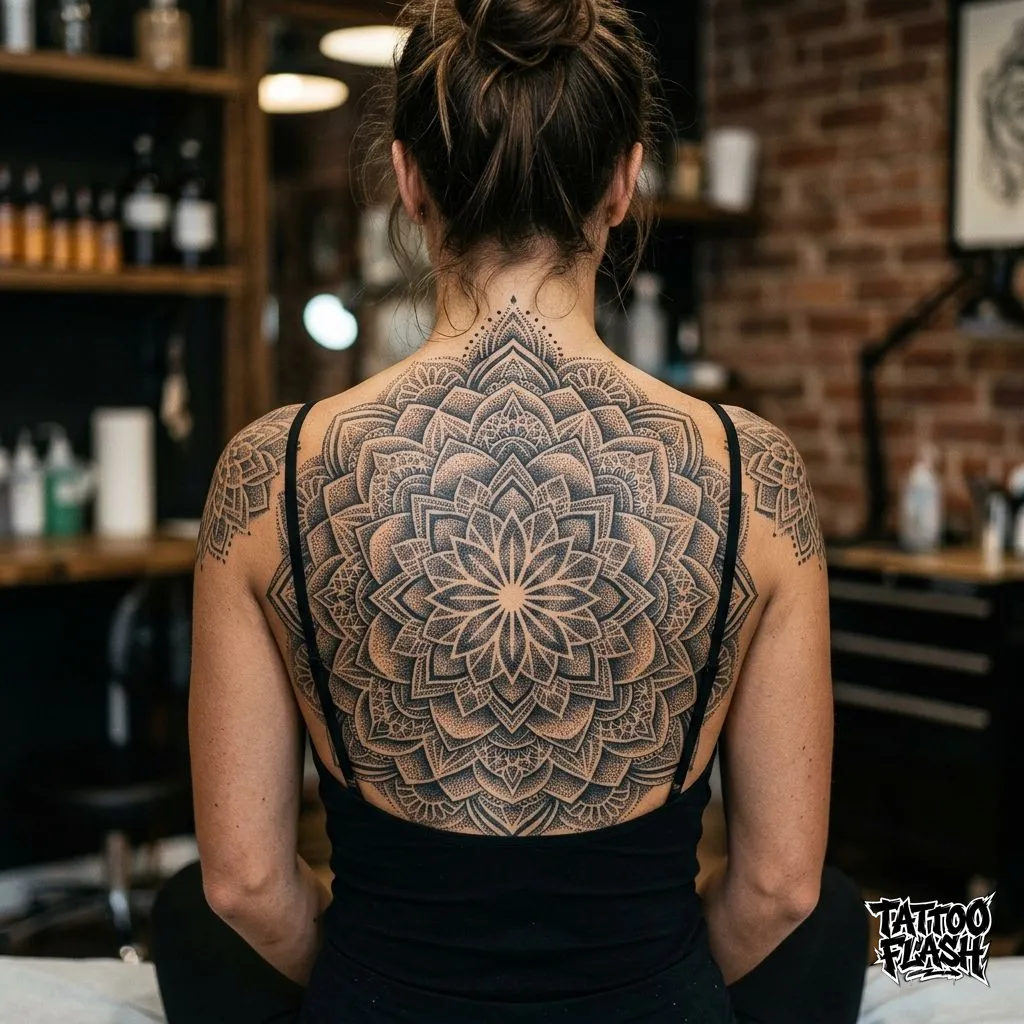
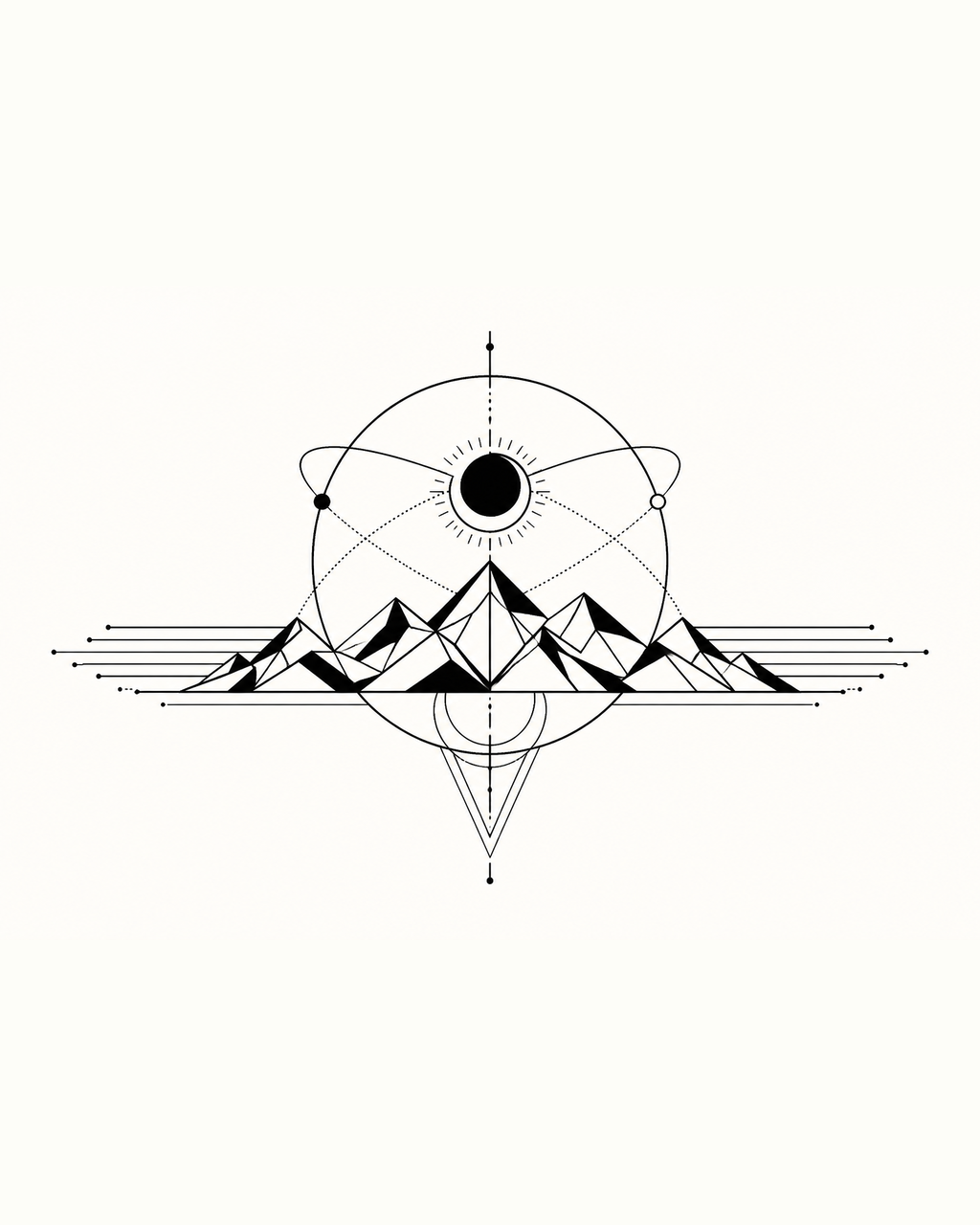
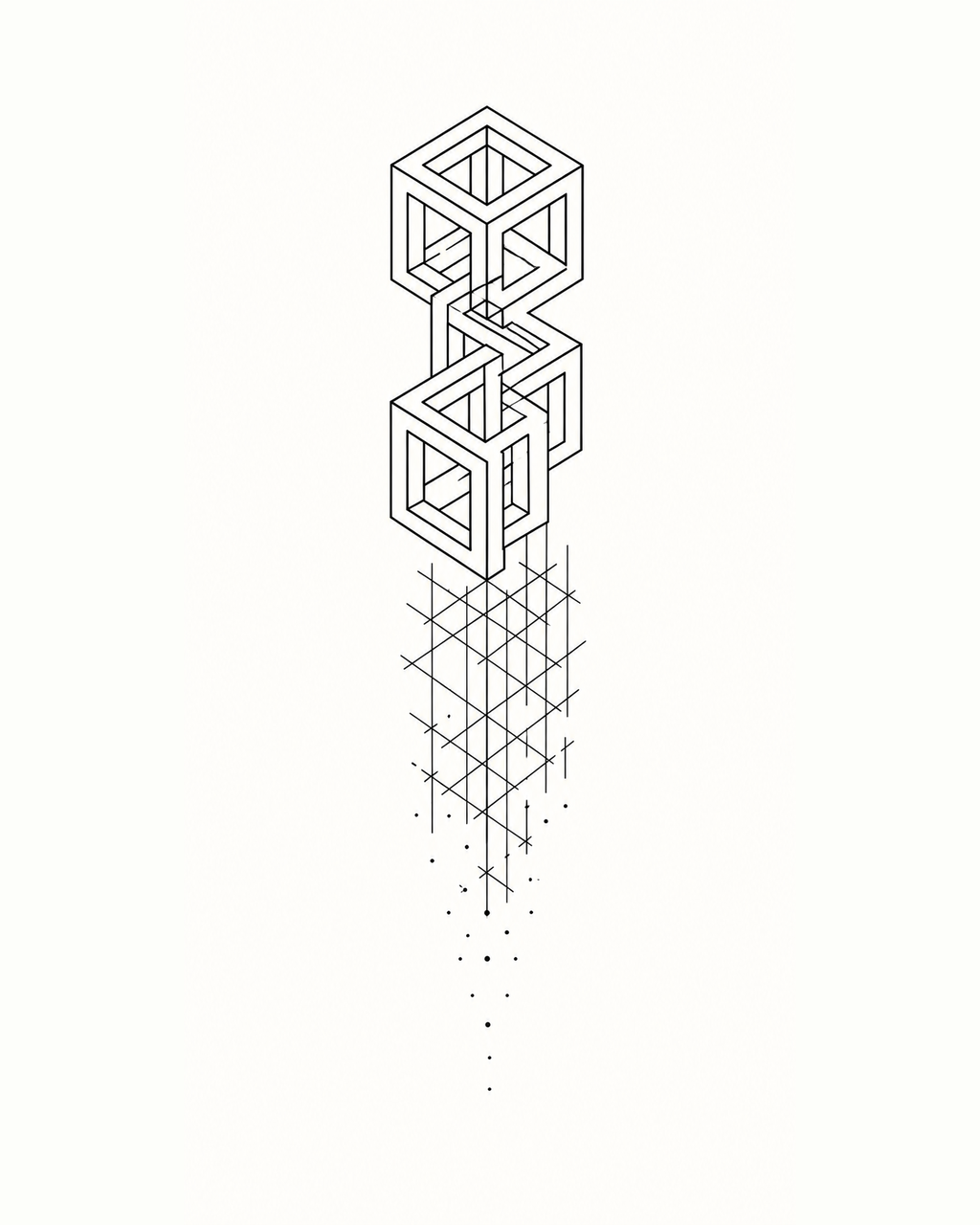
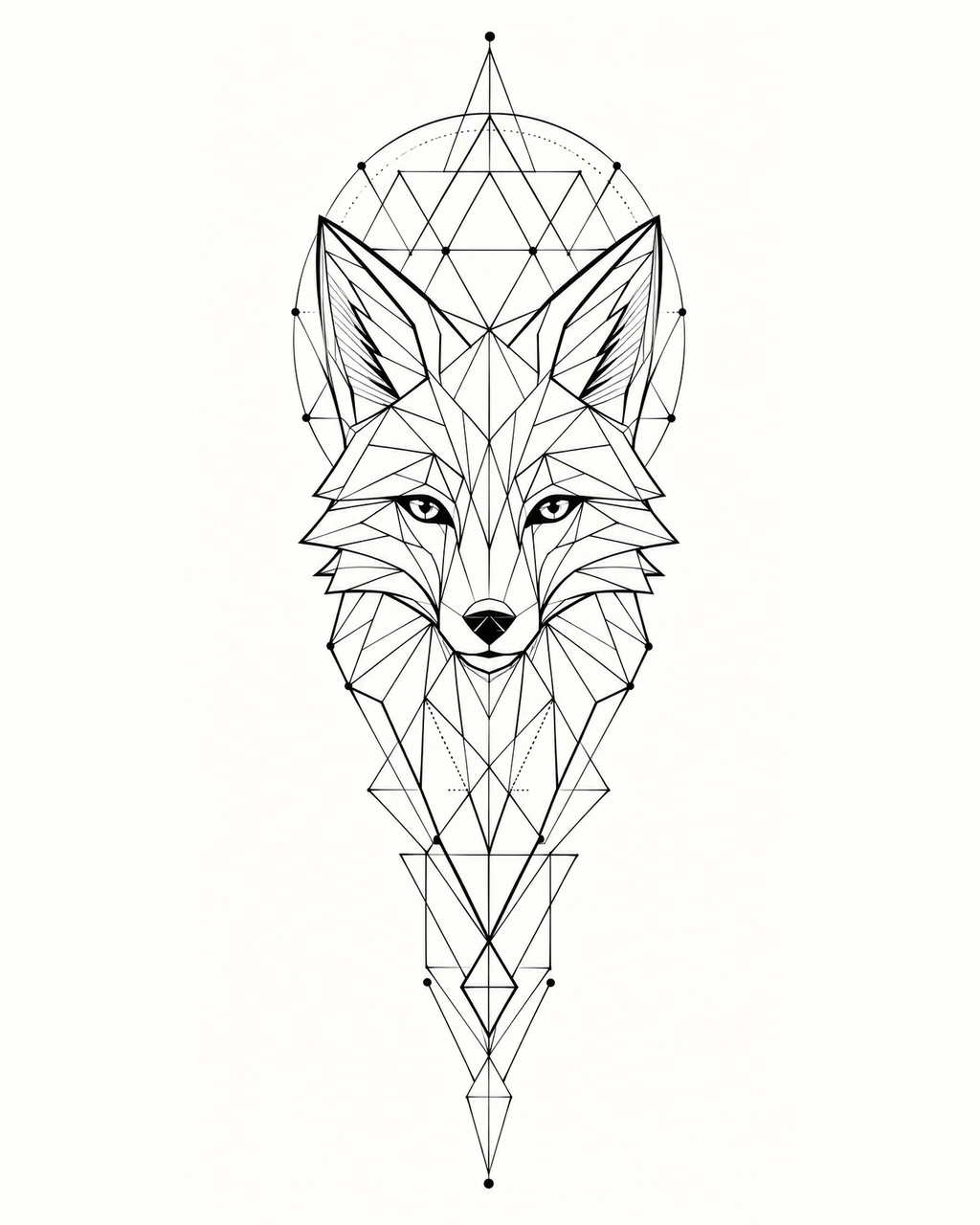
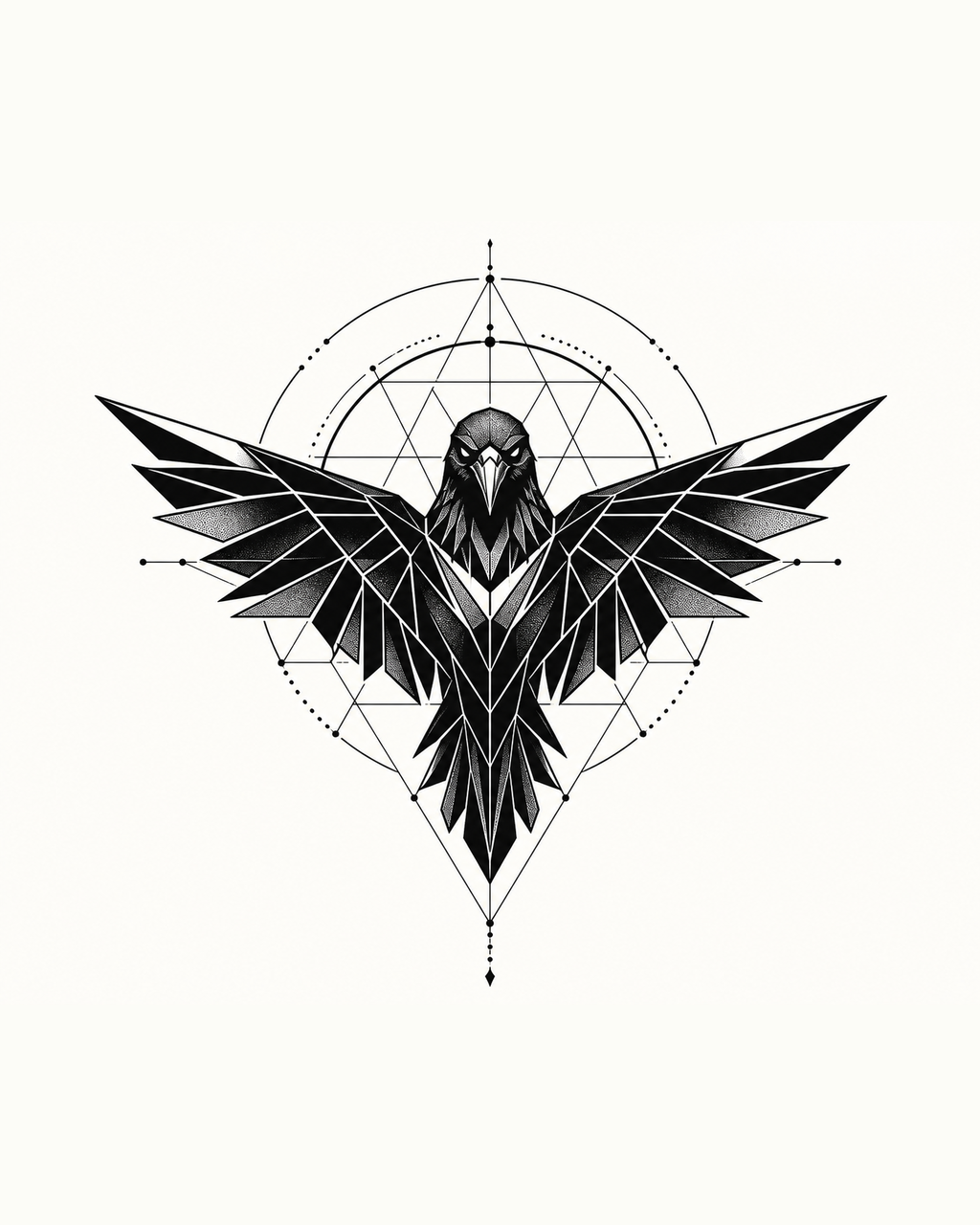
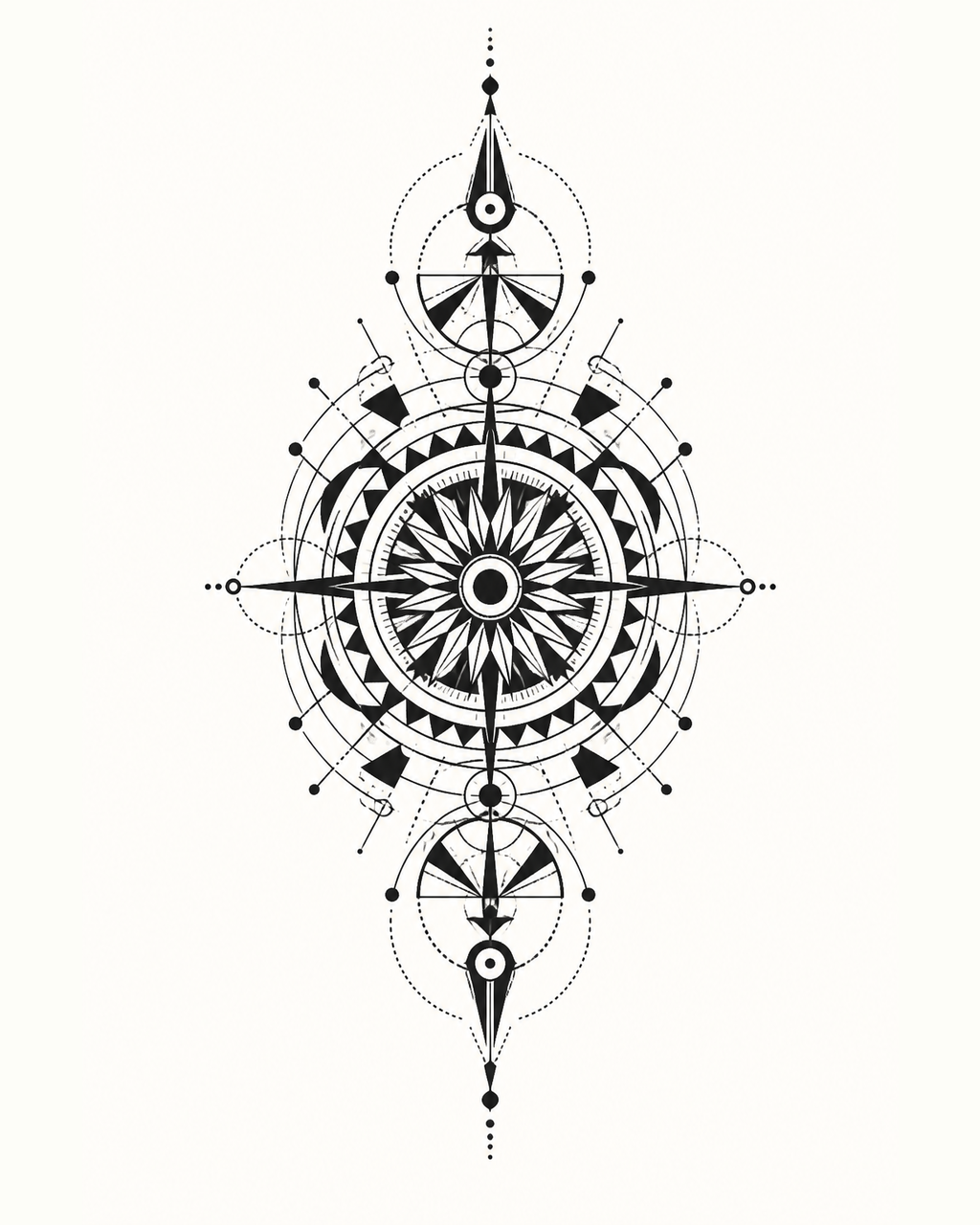
Structured compositions using measured lines, repeated forms, symmetry, and controlled negative space.
Published references
13
Recommended placements
4
Common fits
Forearm, Chest, Sternum, and Calf
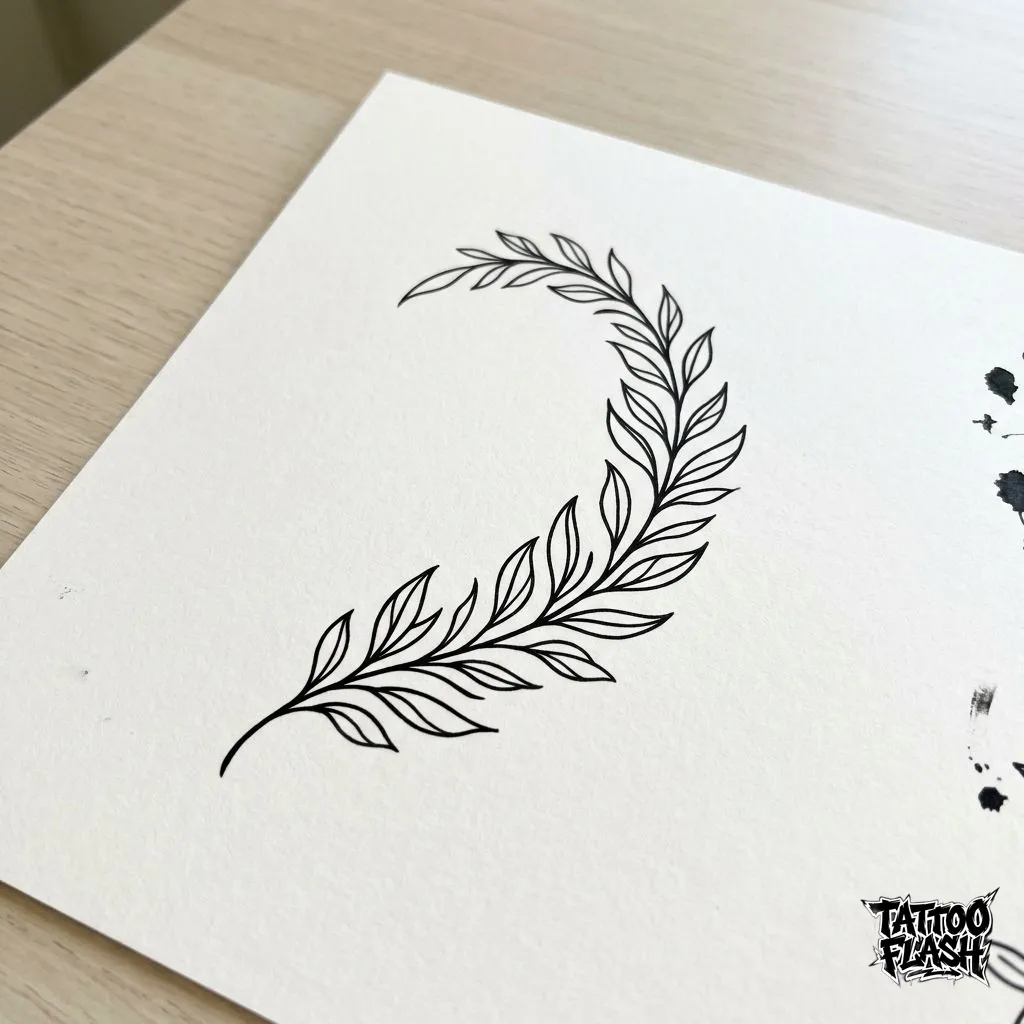
Structured compositions using measured lines, repeated forms, symmetry, and controlled negative space. Compare the published references below, then use the placement and briefing guidance to turn the visual direction into a workable tattoo concept.
Geometric tattoos are judged by alignment before ornament. Repetition, symmetry, and negative space need to feel deliberate, while the central shape must remain legible even when the pattern becomes complex.
Tiny geometric designs expose every spacing error. Intricate line intersections and dot fields usually need a medium canvas to avoid merging over time.
Long axes suit stacked geometry, while centered body landmarks suit radial or mirrored work. Forearms, calves, the sternum, and the chest give an artist clear anatomical references for alignment.
For planning, geometric concepts pair especially well with forearm, chest, sternum, and calf. Placement fit is usually the difference between a reference that feels intentional and one that feels pasted on.
Specify whether the composition should be radial, mirrored, tessellated, or vertically stacked. Identify the one shape that cannot drift, then let supporting pattern density follow the available space.
If you move from this archive into the generator, keep the brief focused on subject, composition, and placement. The more the prompt tries to do everything at once, the less the geometric identity tends to survive.