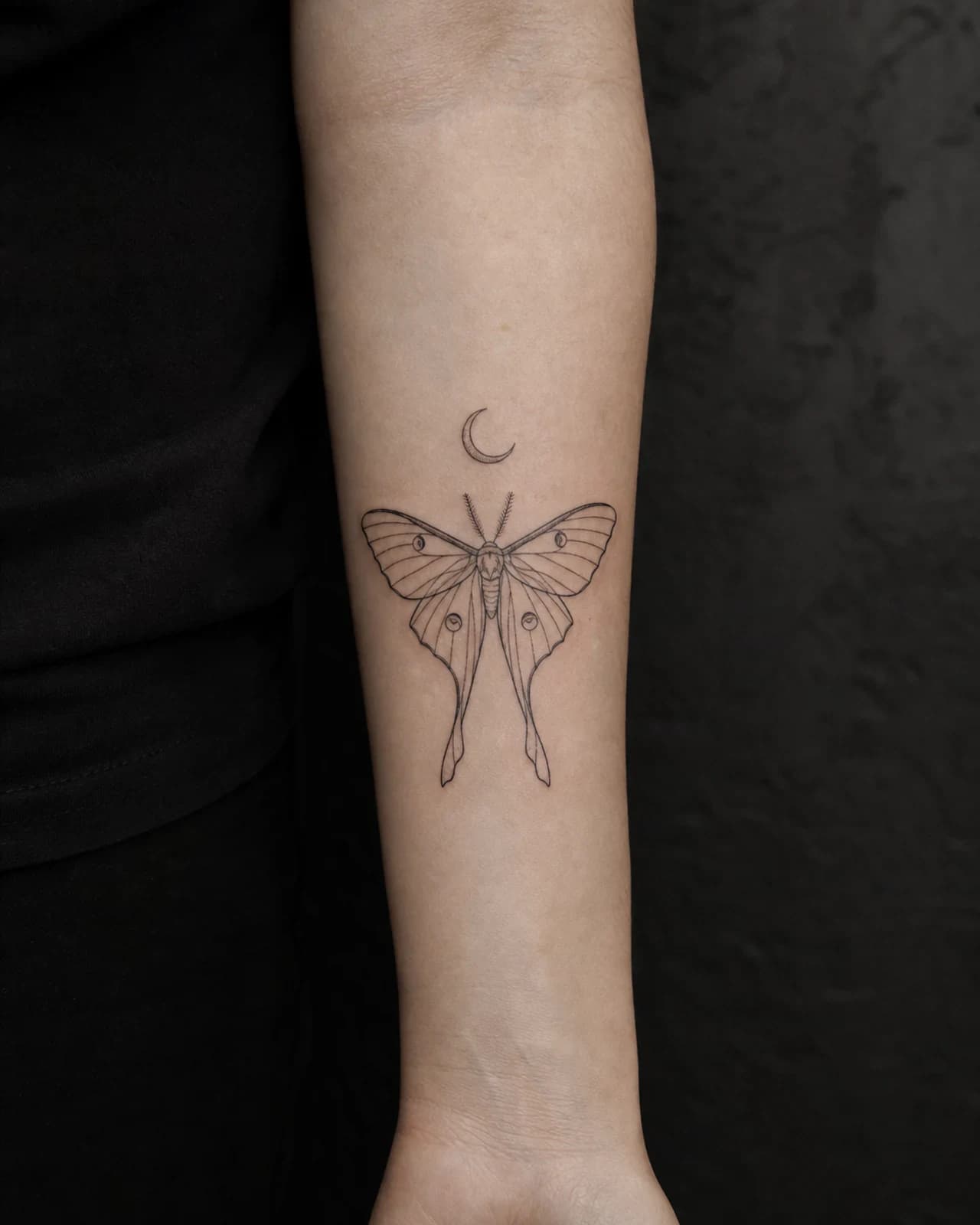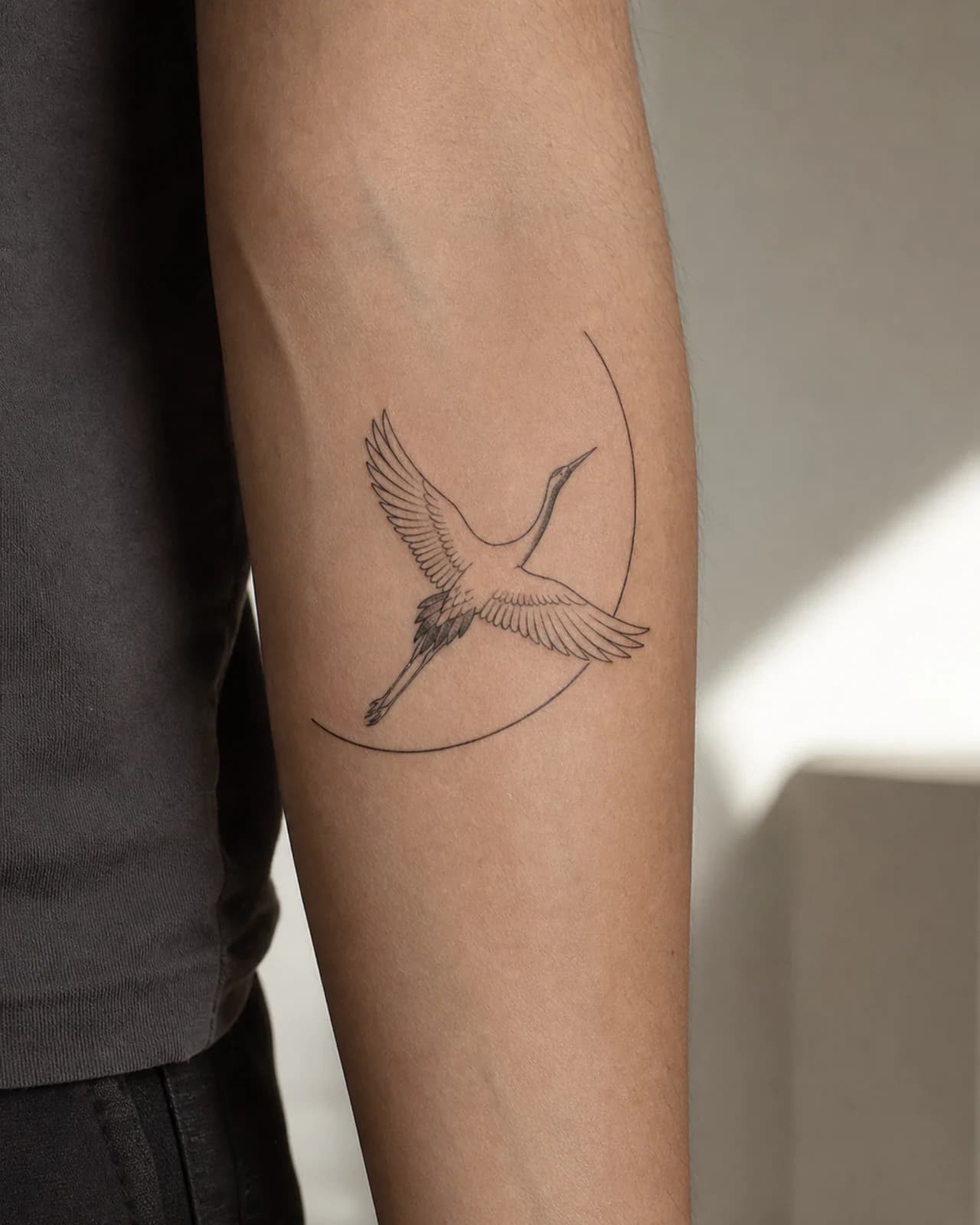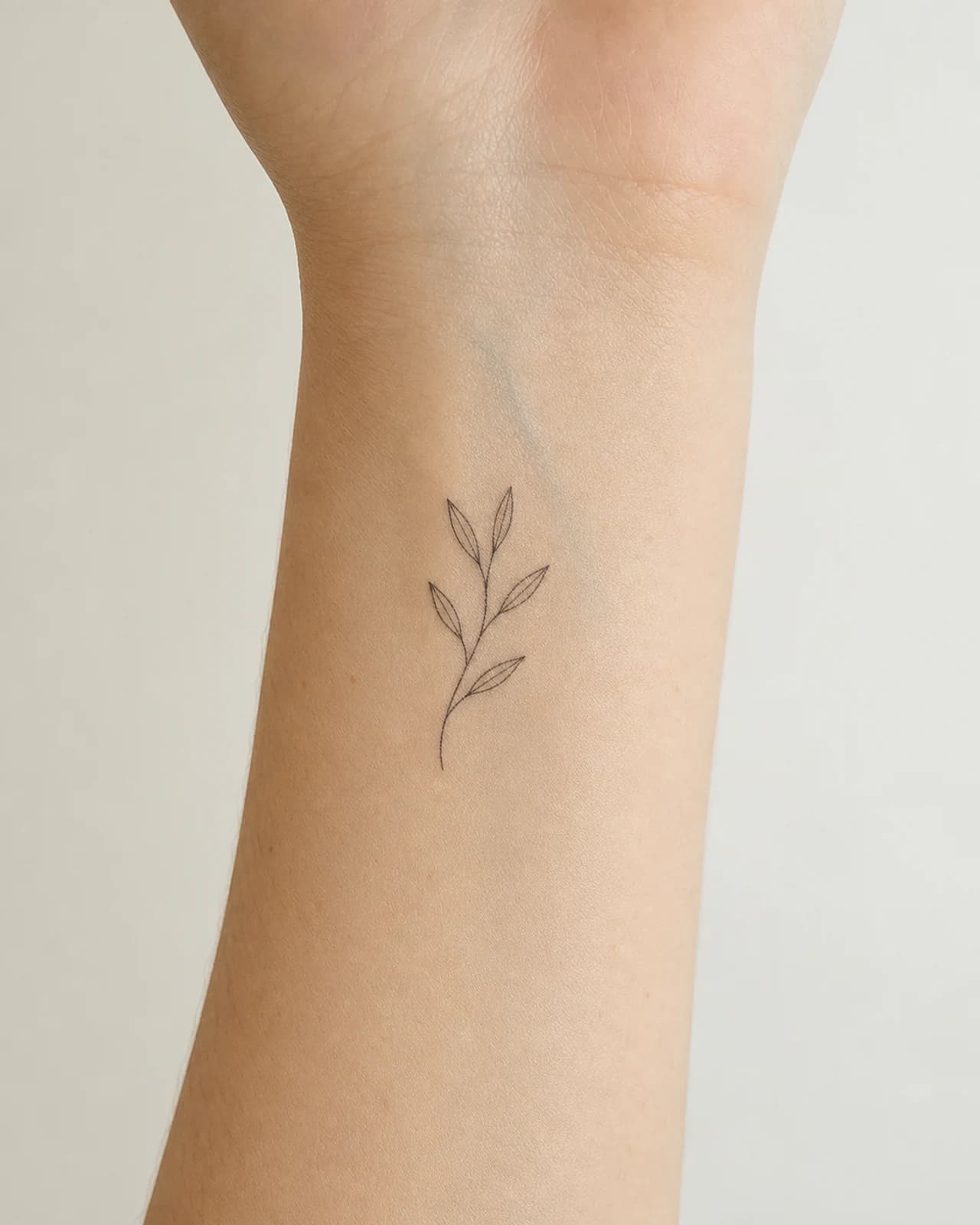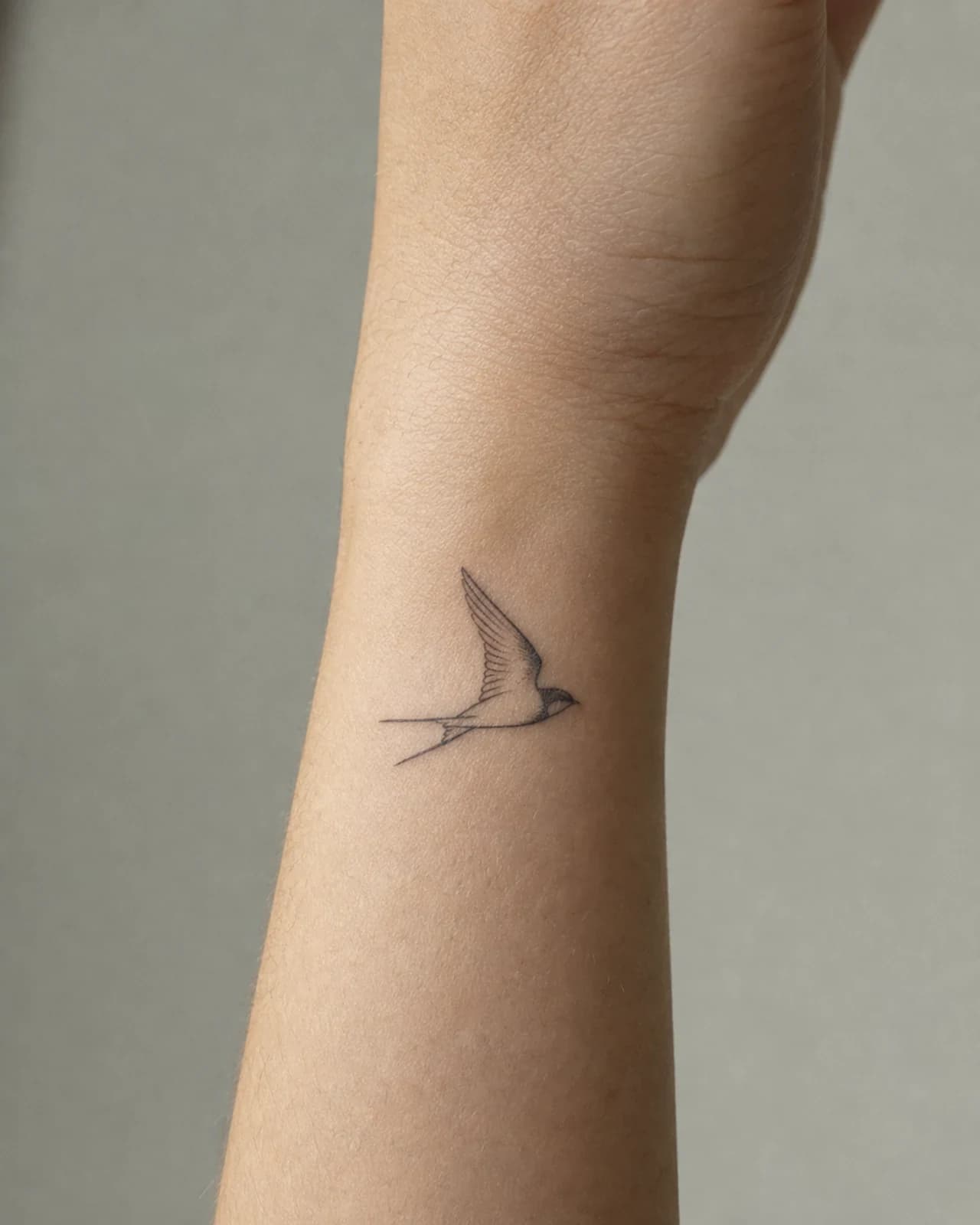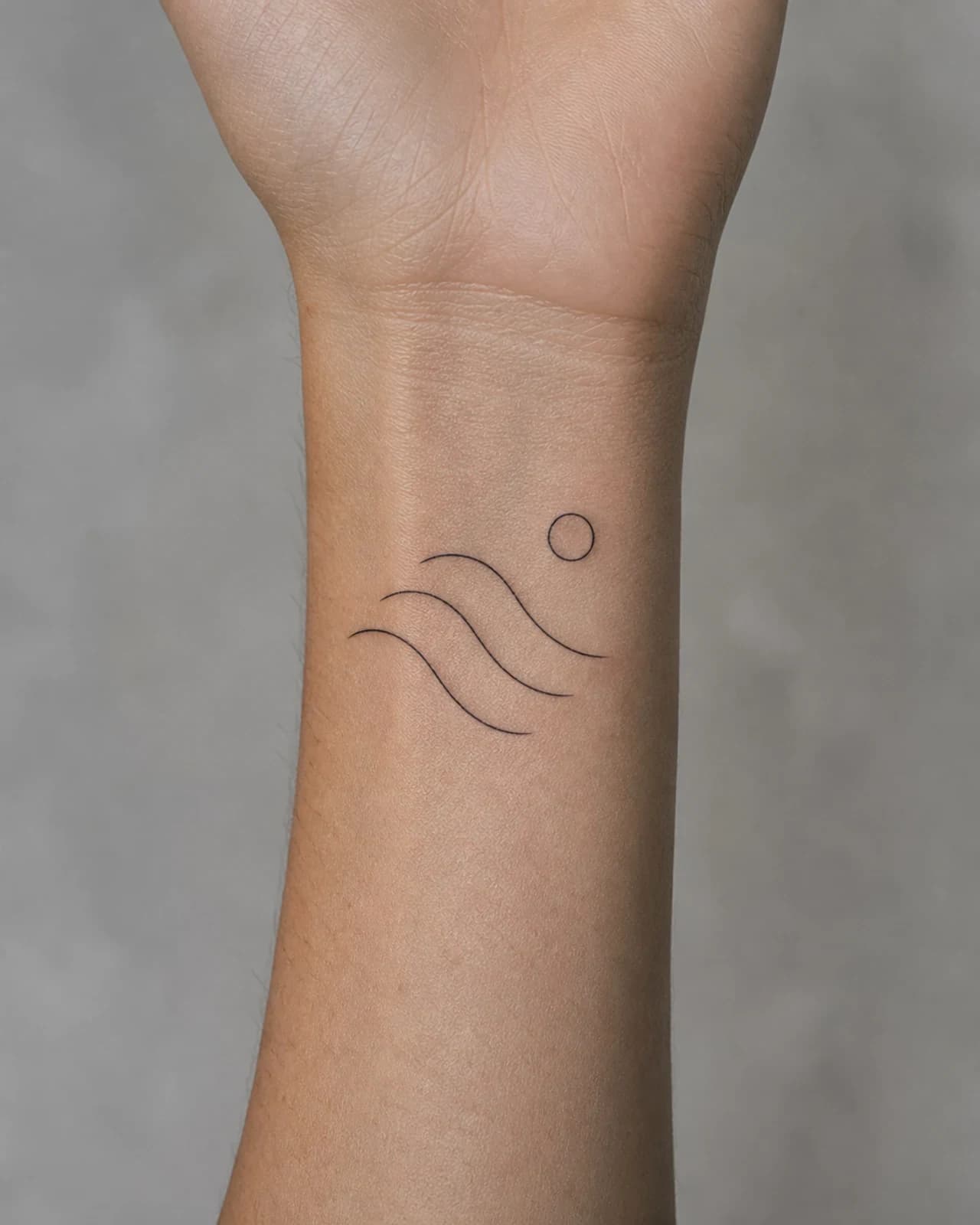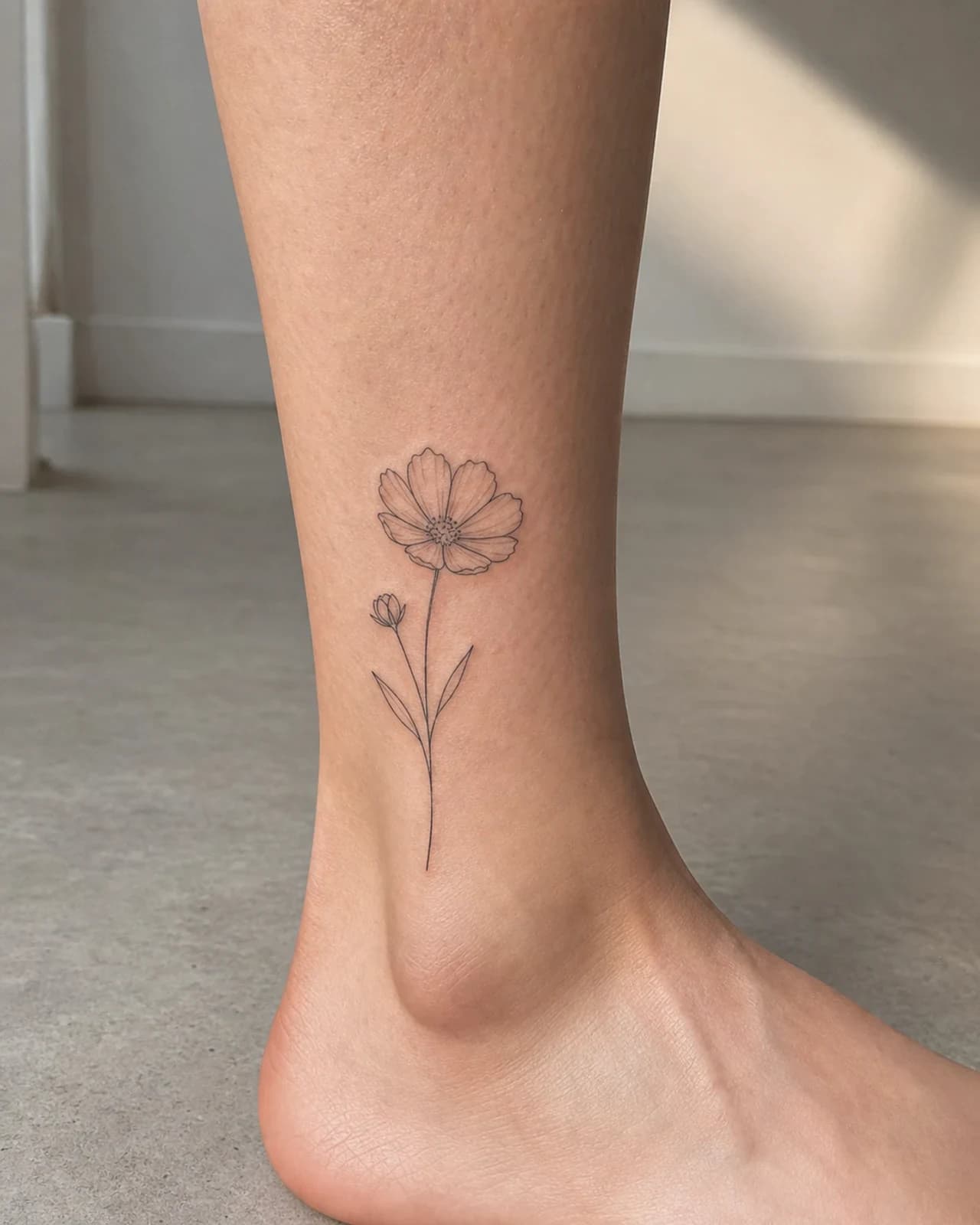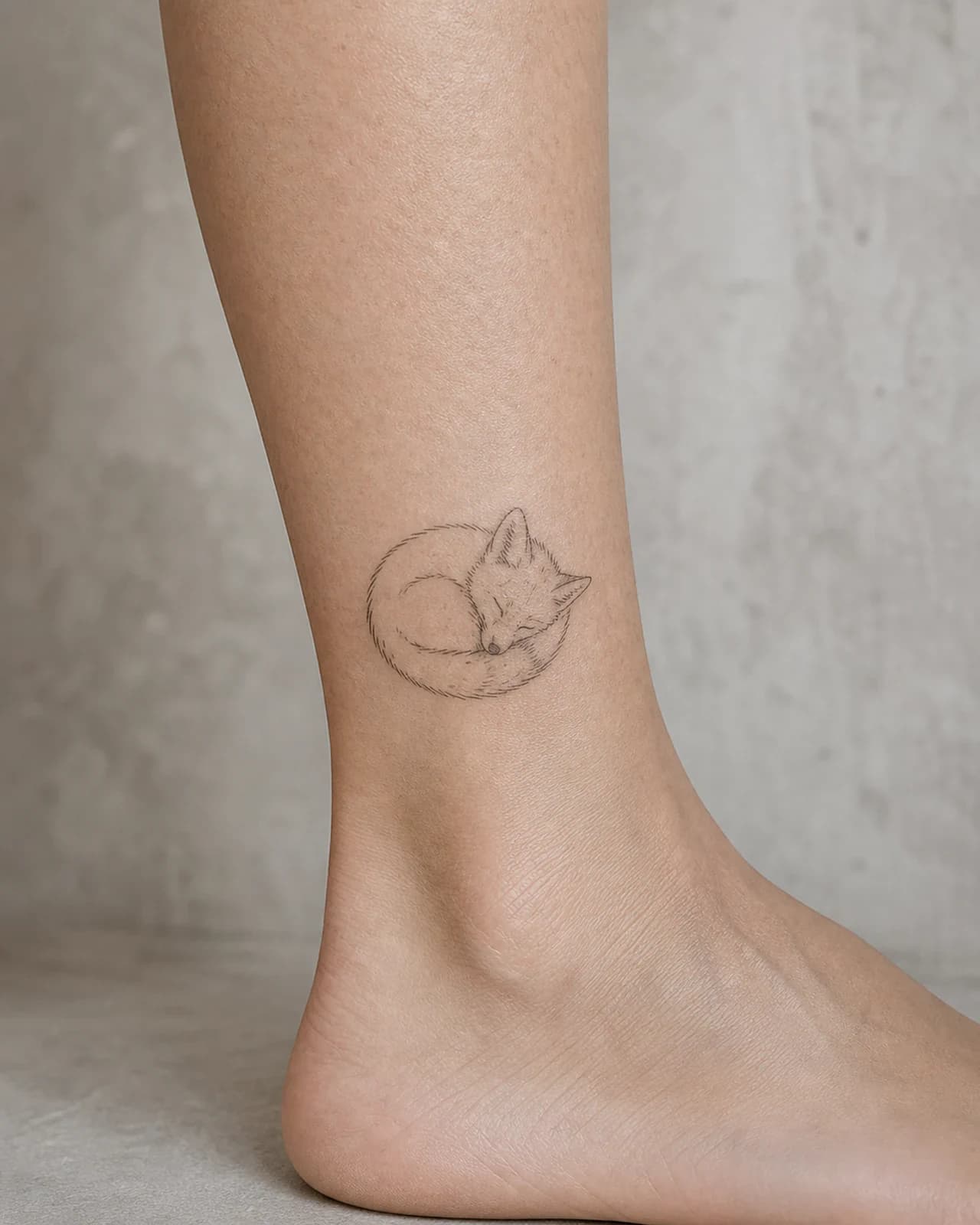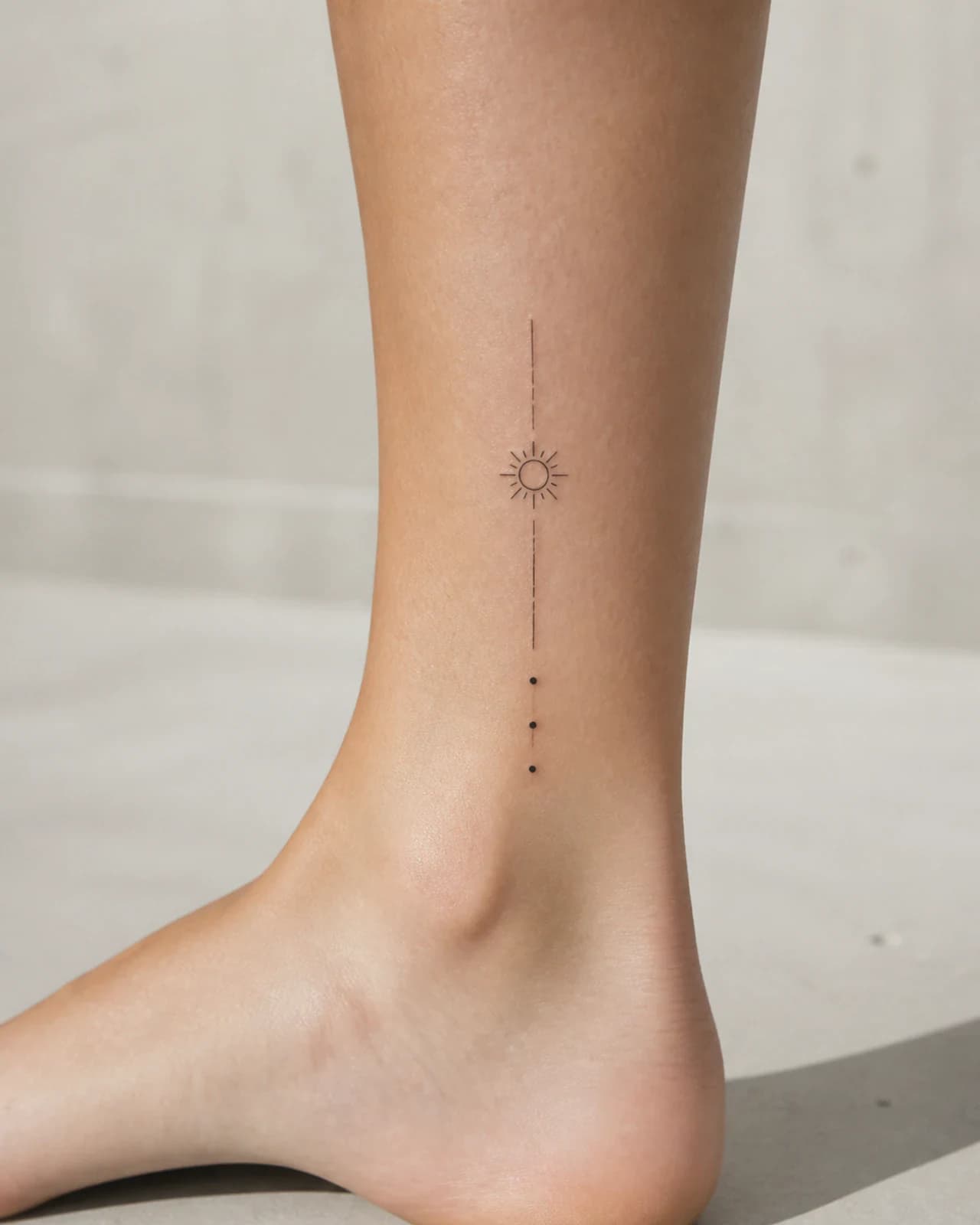
Style Focus

Fine-line Tattoo Ideas

Browse published fine-line concepts and narrow further by body placement without leaving this style-focused gallery.

Published references

35

Active placements

11

Common fits

Ankle, Back (Upper), Behind the Ear, and Chest

Fine-line tattoo ideas perform best when the page explains what the style is doing, where it translates cleanly, and how to brief it without flattening it into a generic prompt. This archive should act like a style decision page first and a gallery second.

What defines Fine-line tattoo ideas

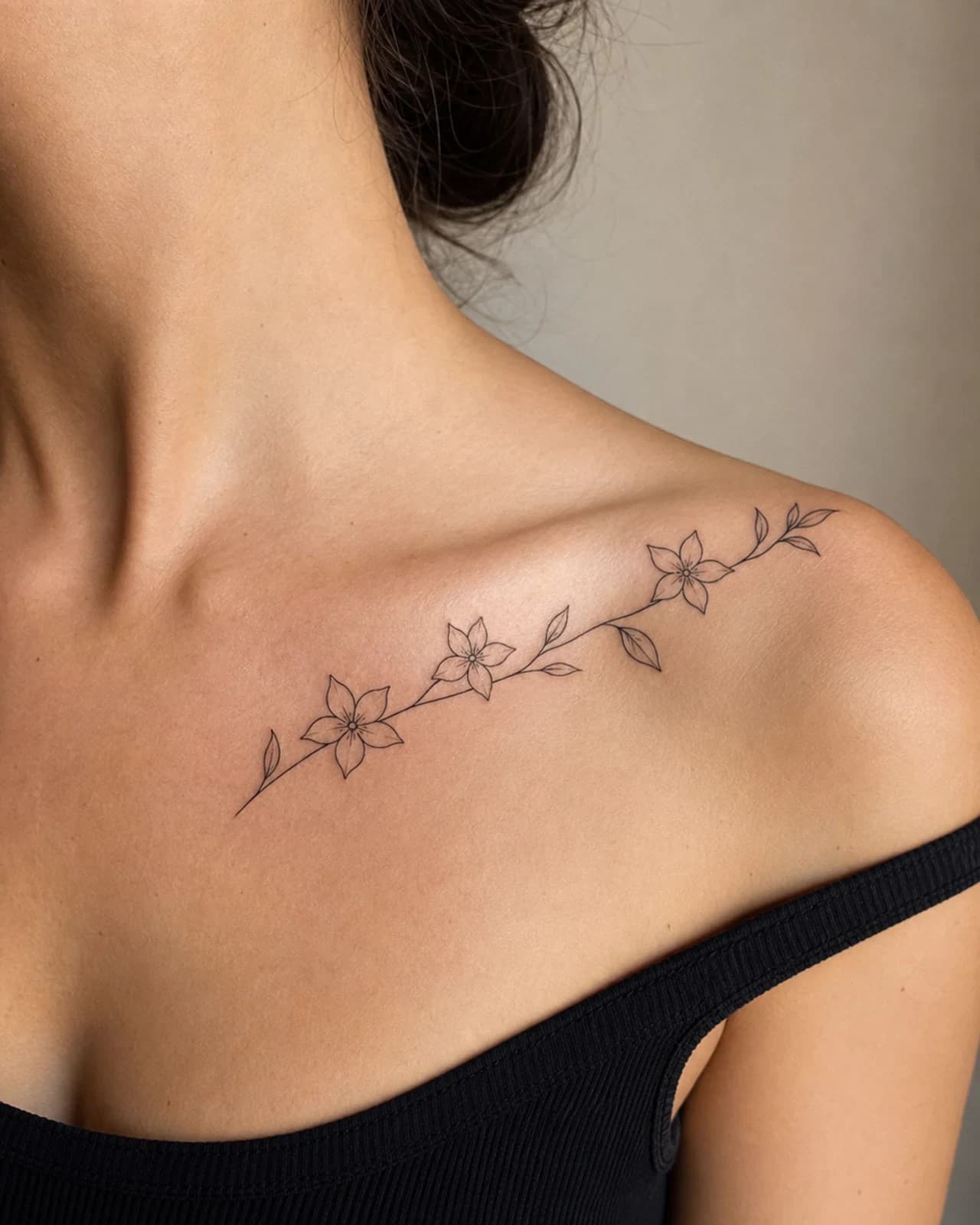
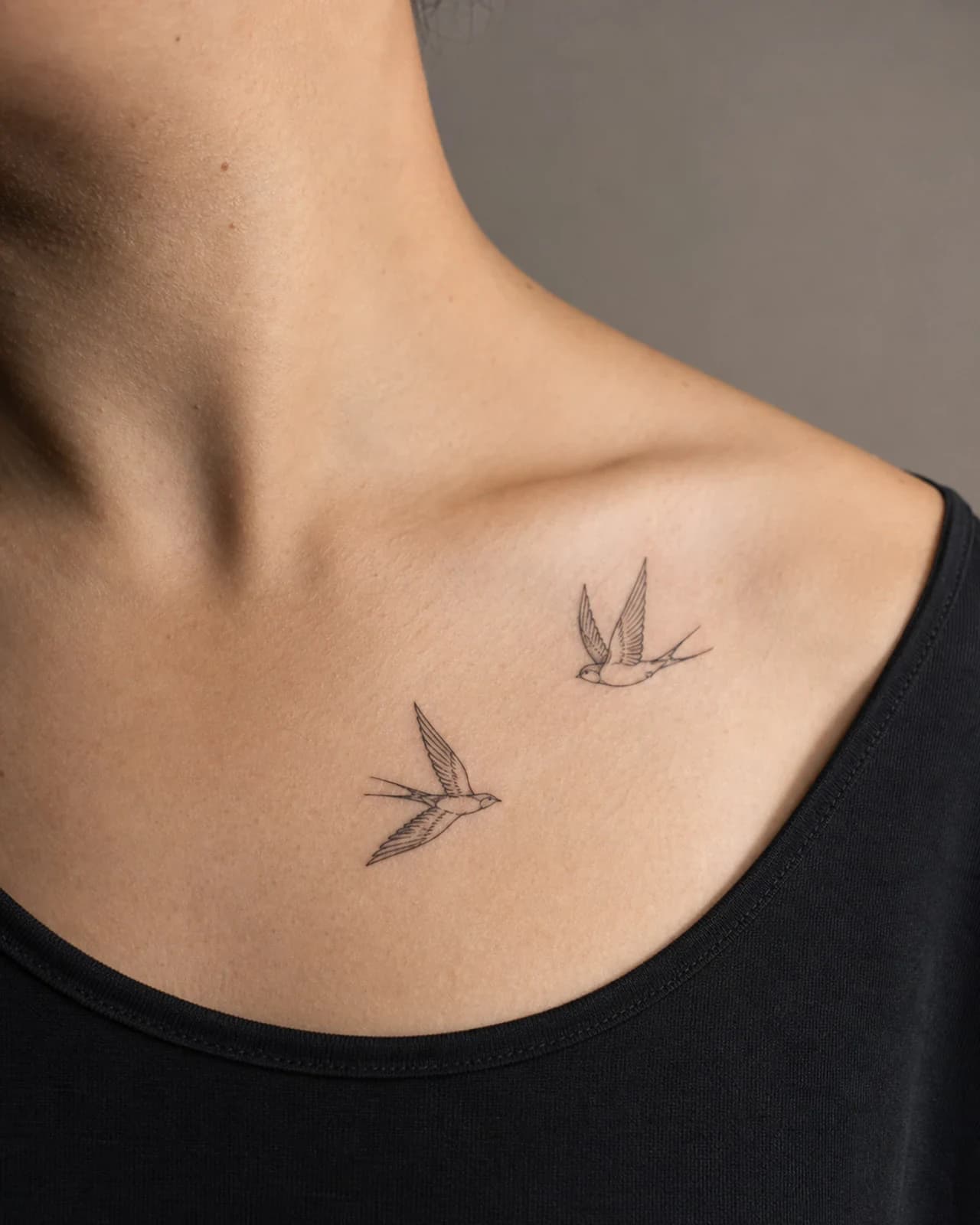
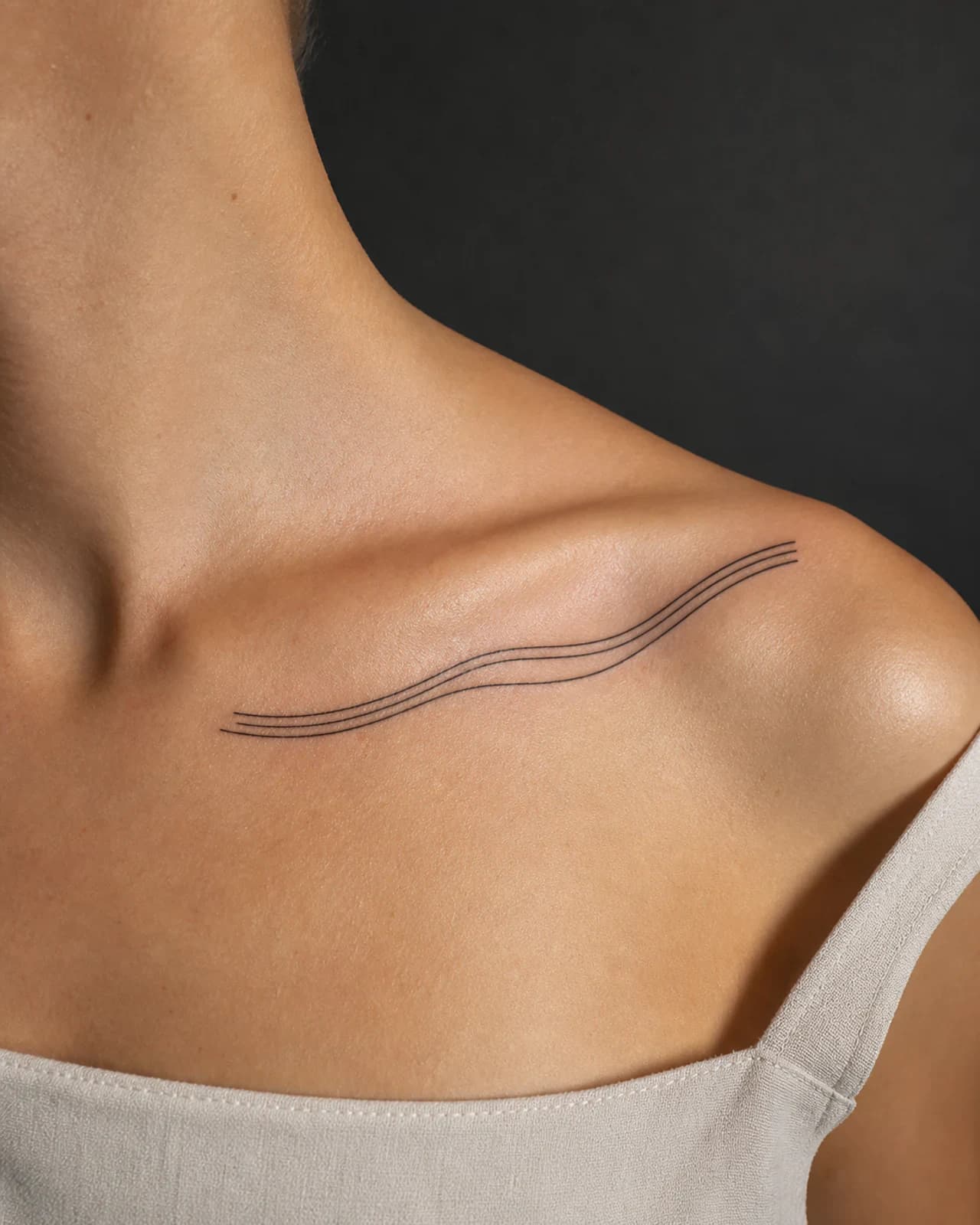
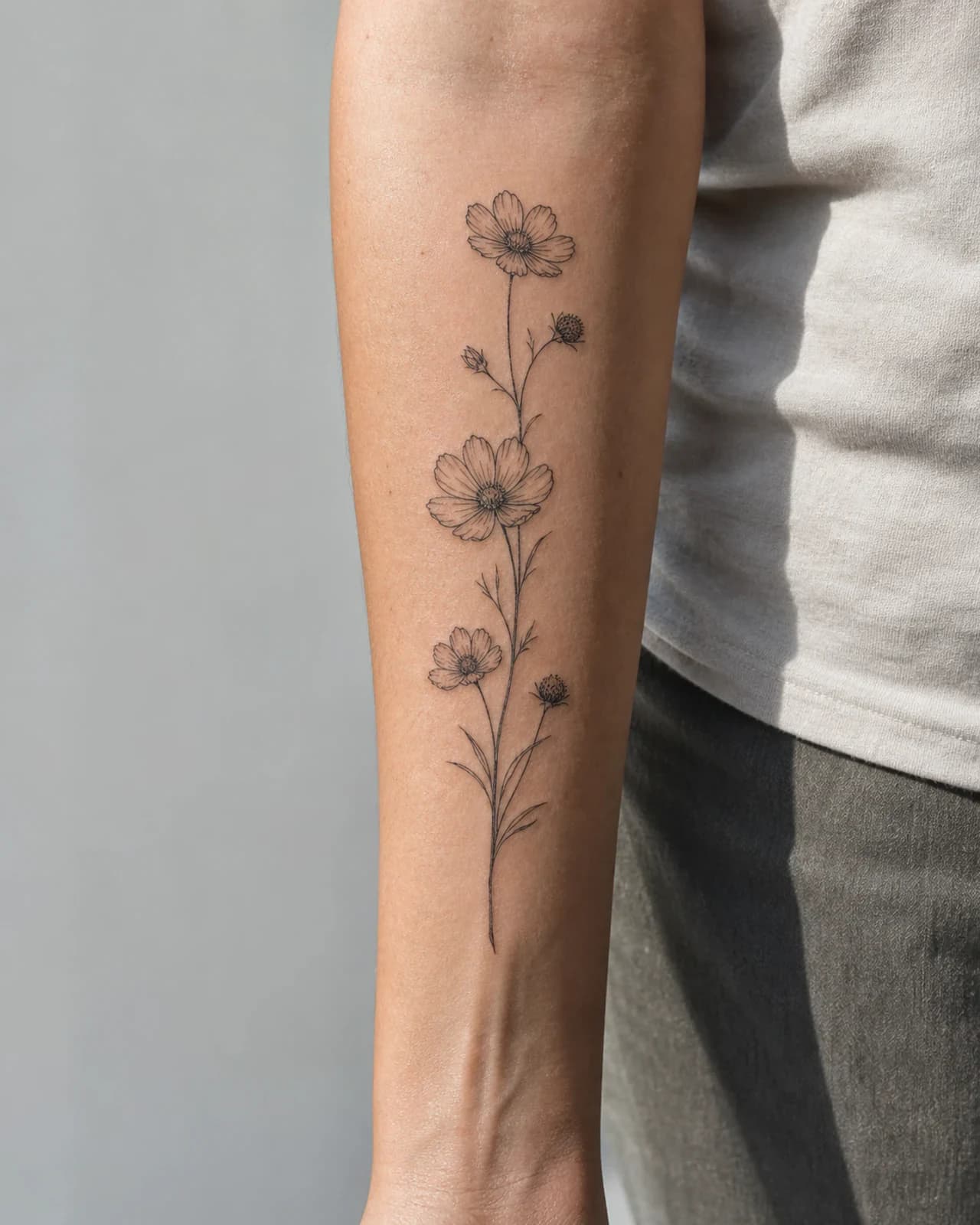
Fine-line ideas work because they feel light, precise, and easy to place. The strongest references keep the subject simple enough that the line quality, not visual clutter, becomes the point.

Fine-line work can scale down, but only if the concept remains simple. Search intent here often hides a sizing problem, so the page should answer that directly.

Where fine-line usually translates best

This style tends to work best on placements where a smaller or medium composition can sit cleanly without losing the silhouette. Forearm, collarbone, ankle, wrist, and upper back placements usually translate well.

In the current library, fine-line concepts are pairing most often with ankle, back (upper), behind the ear, and chest. That matters because placement fit is usually the difference between a reference that feels intentional and one that feels pasted on.

How to brief fine-line without diluting it

A useful fine-line brief defines the subject, the amount of empty space, and whether the artist should prioritize delicacy or durability. If the idea needs dense shading to make sense, it is probably no longer a fine-line brief.

If you move from this archive into the generator, keep the brief focused on subject, composition, and placement. The more the prompt tries to do everything at once, the less the fine-line identity tends to survive.

FAQ

What makes a strong fine-line tattoo reference?
A strong fine-line reference makes the style rules obvious immediately. The silhouette, contrast, and level of detail should already feel aligned before an artist adds custom refinements.
Does fine-line work better on certain placements?
Usually yes. Fine-line tends to work best where the composition has enough room to keep its shape readable. On this site, the most common pairings are ankle, back (upper), behind the ear, and chest.
How should I brief a fine-line tattoo to my artist?
Lead with the subject, the placement, and the amount of detail you want to preserve. Then use these references to show rhythm, contrast, and spacing instead of treating the gallery image as a final stencil.