TraditionalForearm
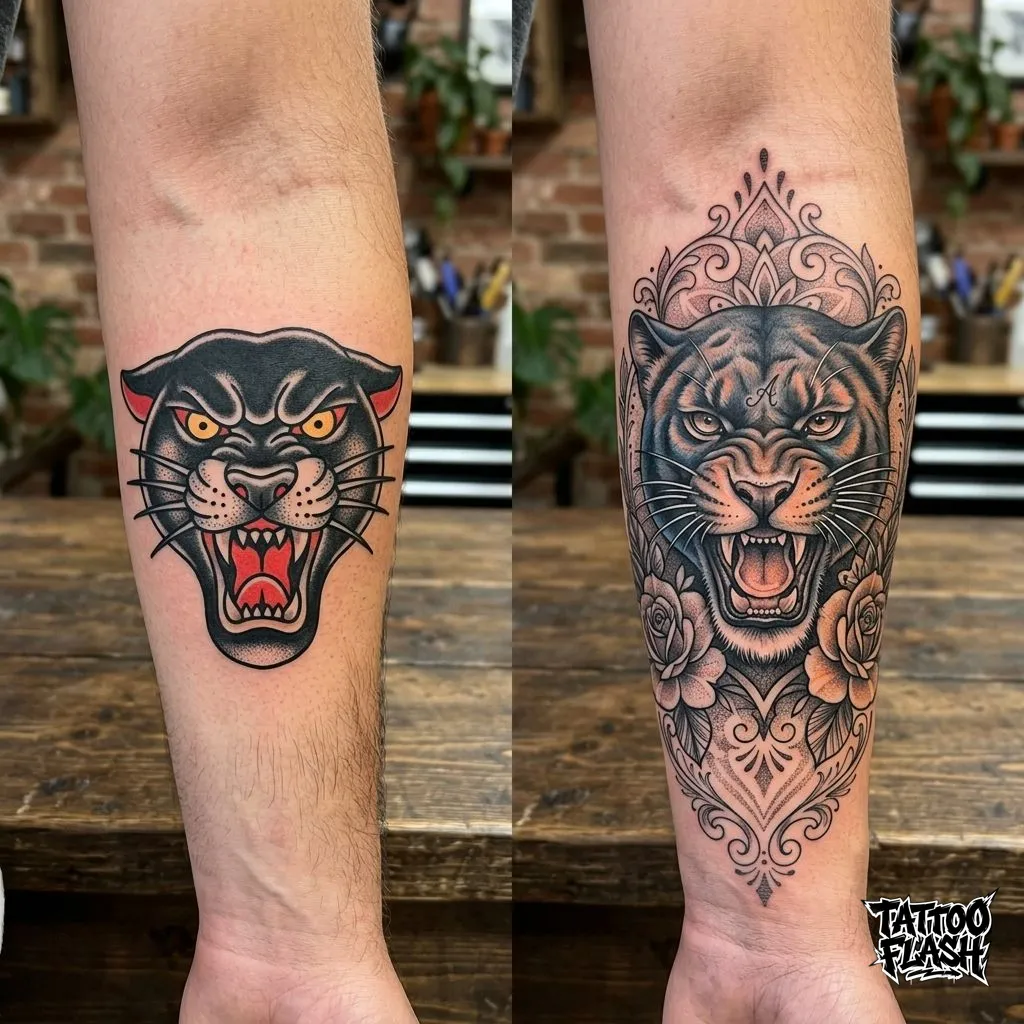
Traditional Flash vs Custom Tattoo ForearmsStyle Focus
Iconic flash motifs built from bold outlines, compact silhouettes, and a disciplined classic palette.
Published references
42
Recommended placements
4
Common fits
Forearm, Calf, Thigh, and Chest
Iconic flash motifs built from bold outlines, compact silhouettes, and a disciplined classic palette. Compare the published references below, then use the placement and briefing guidance to turn the visual direction into a workable tattoo concept.
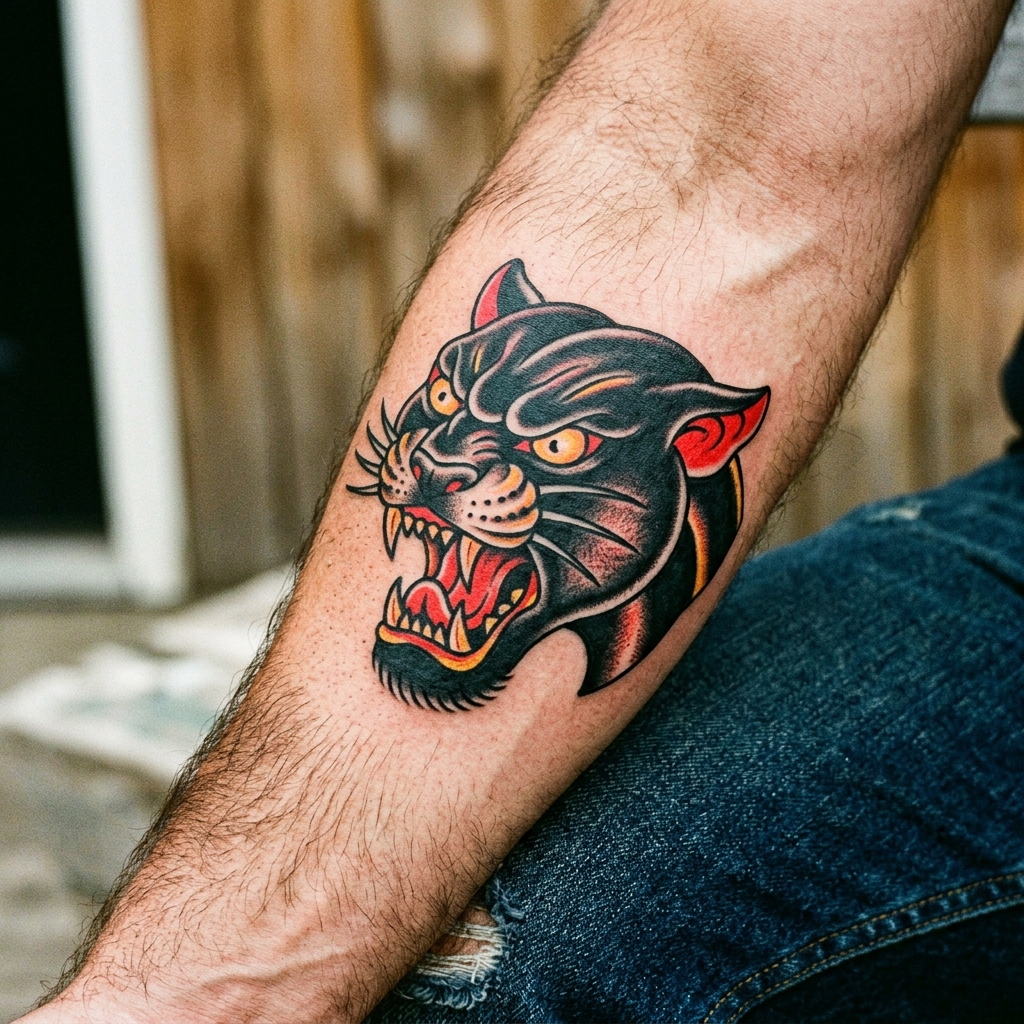
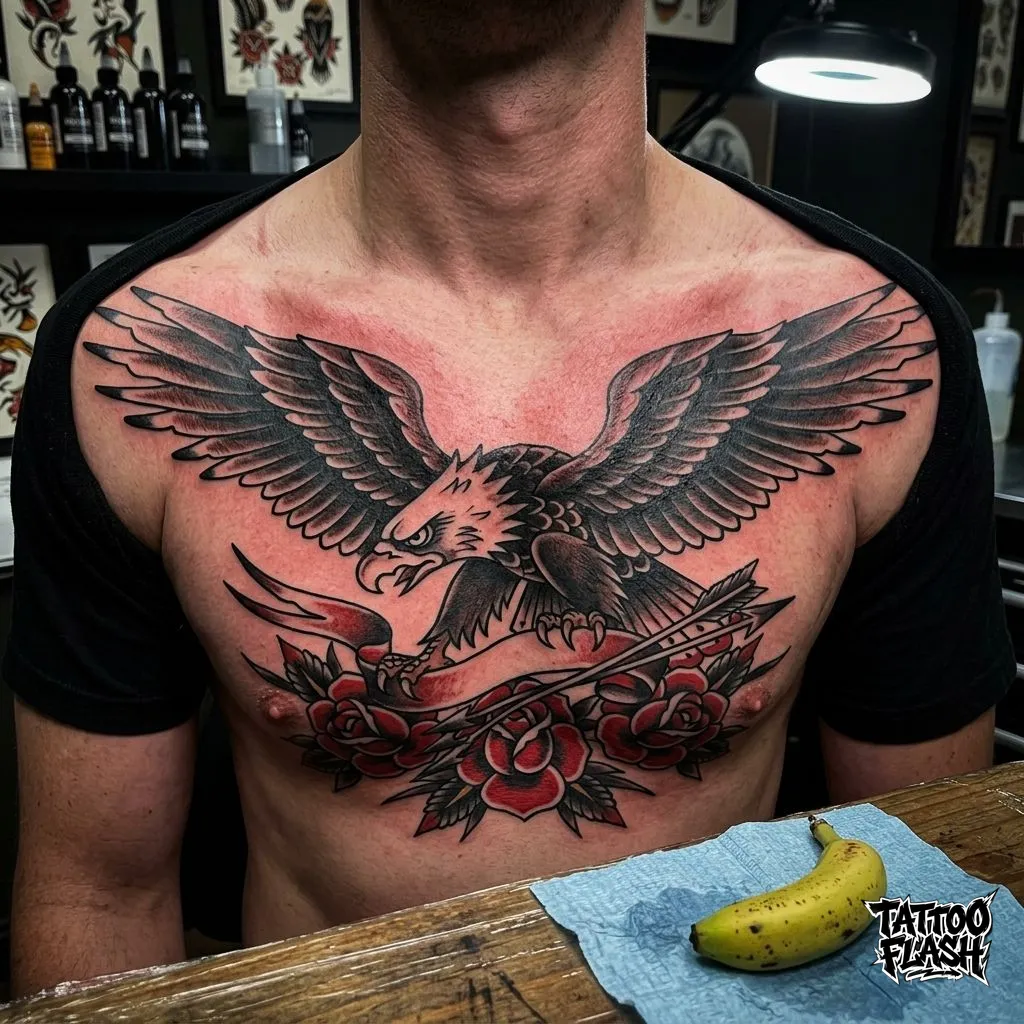
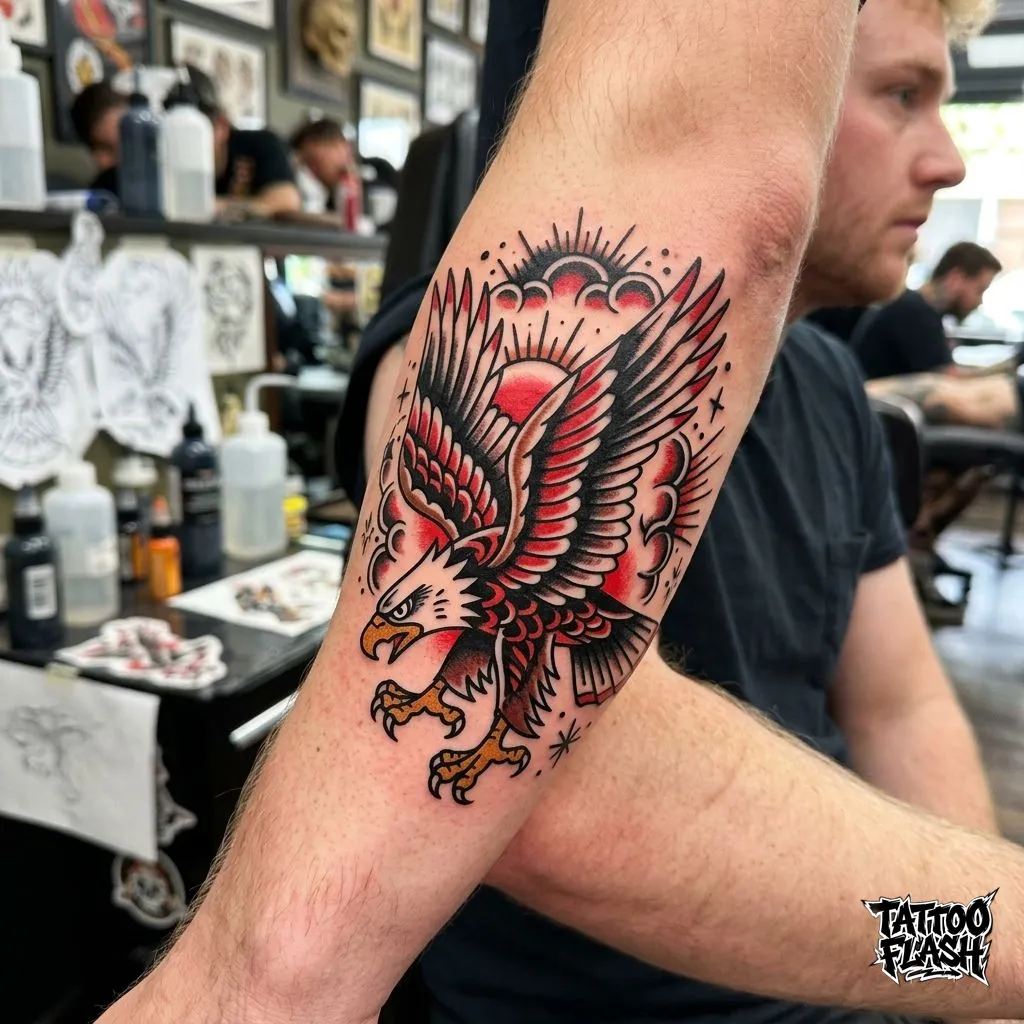
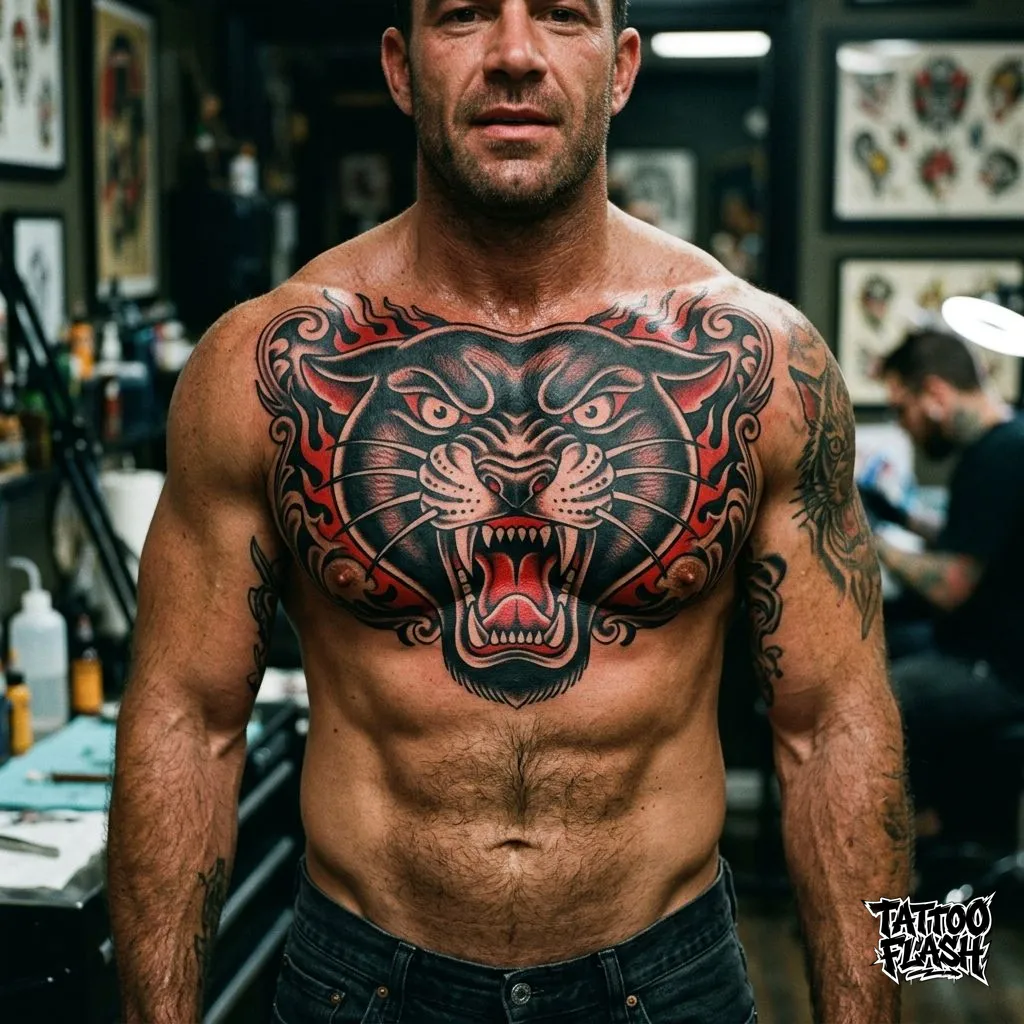
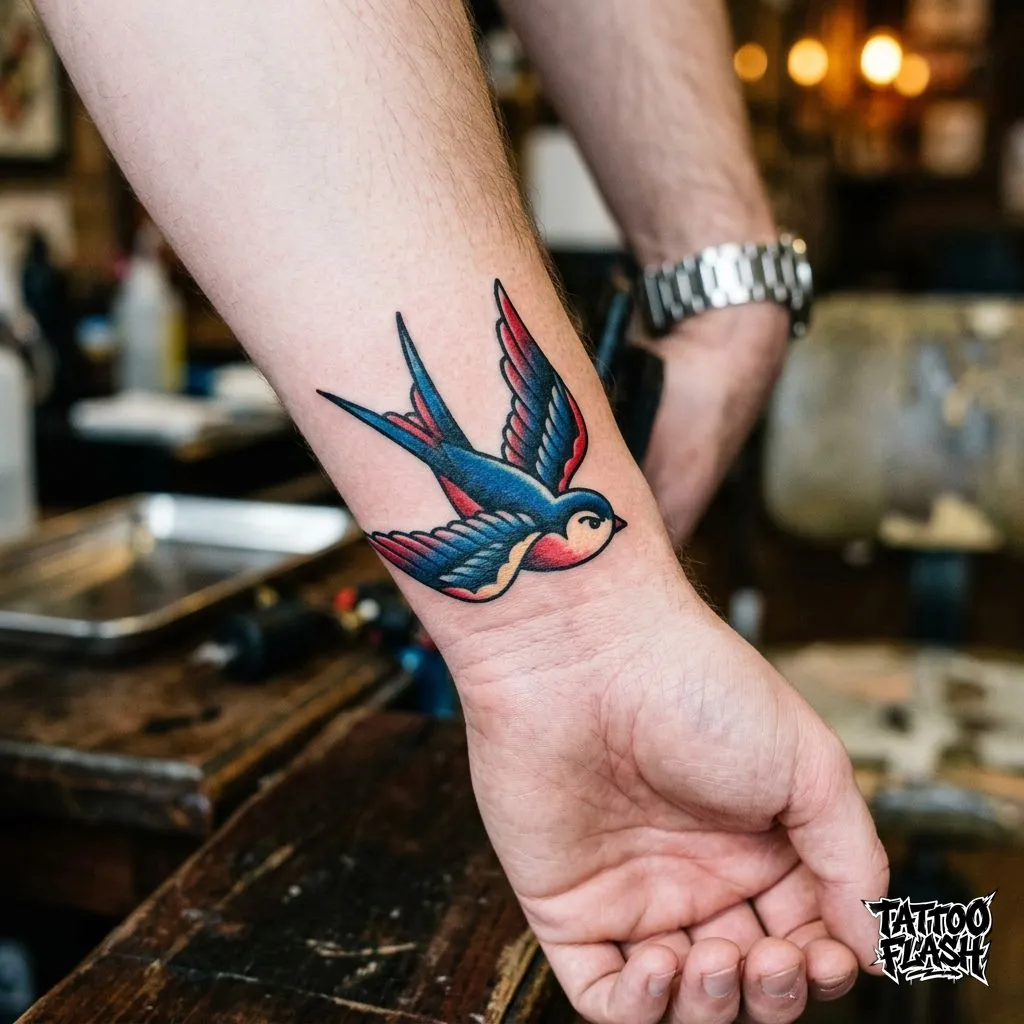
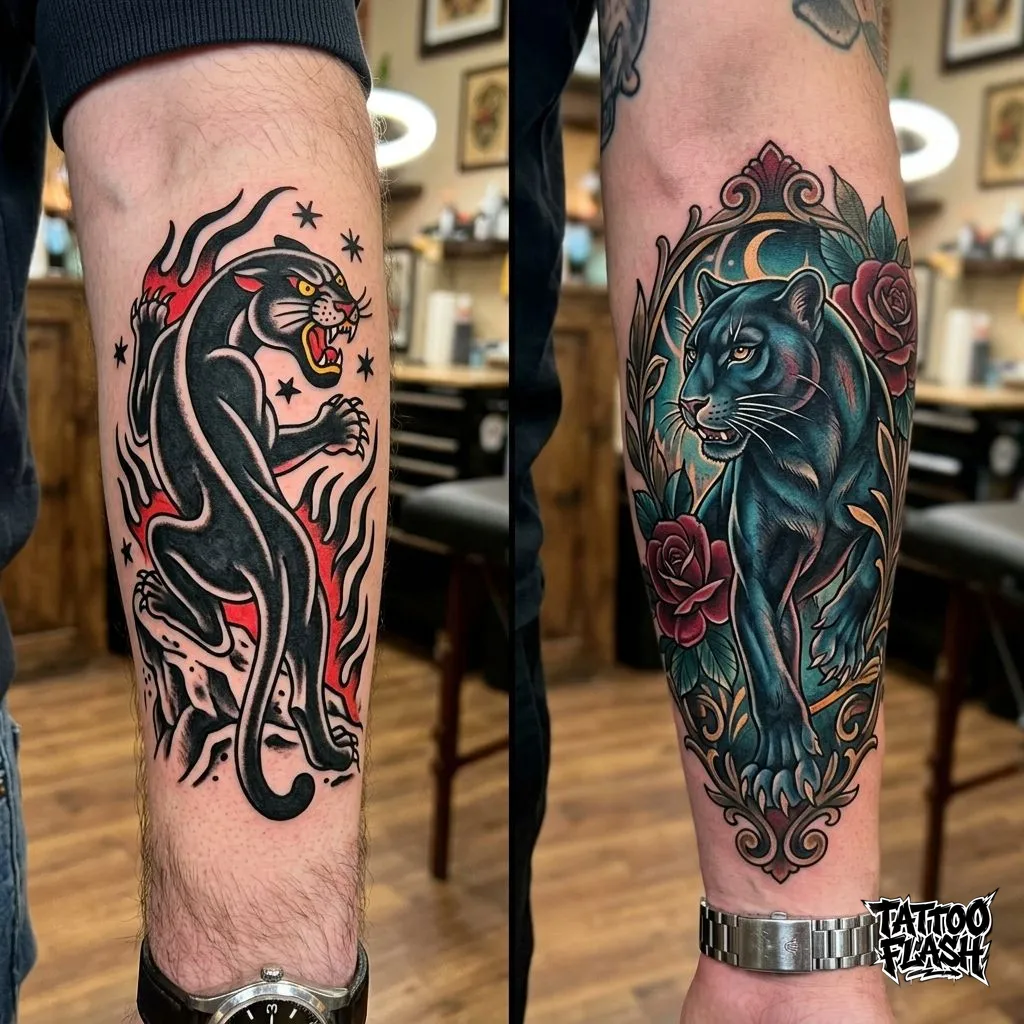
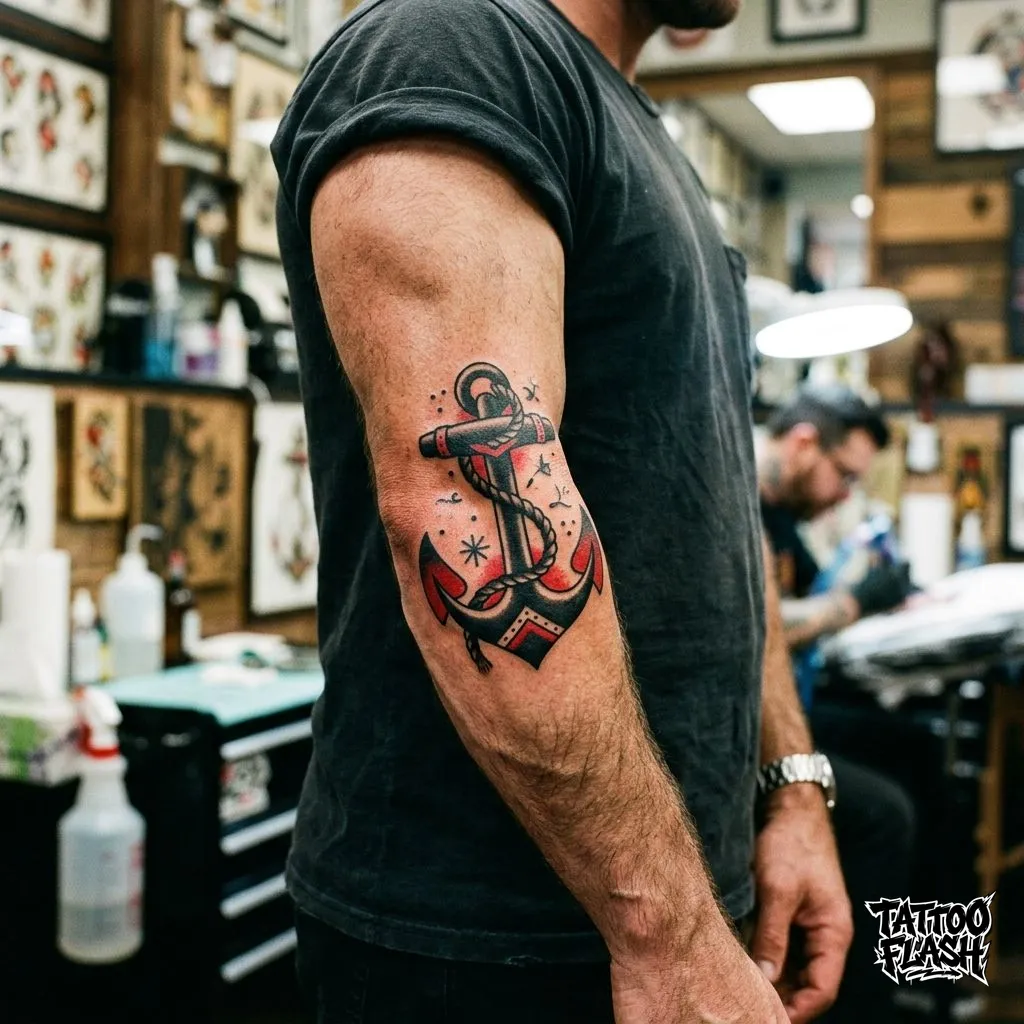
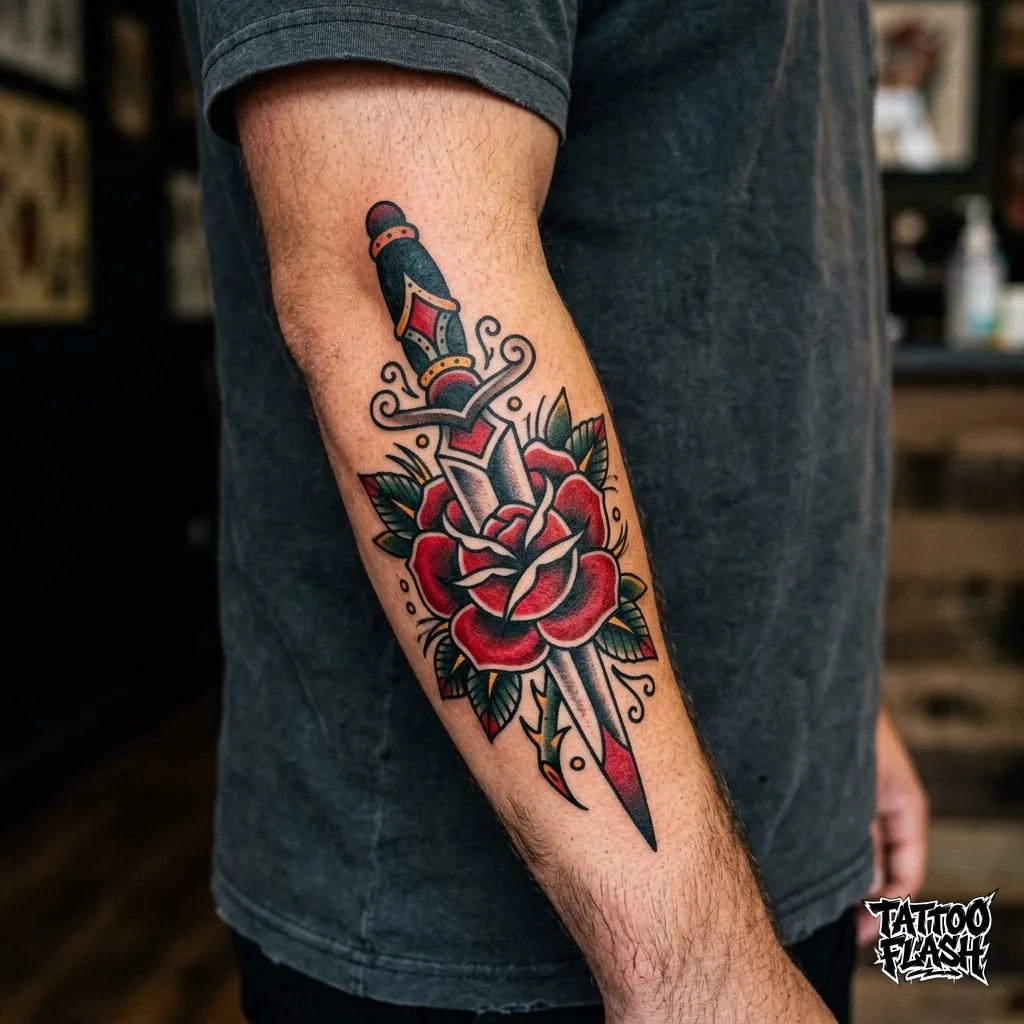
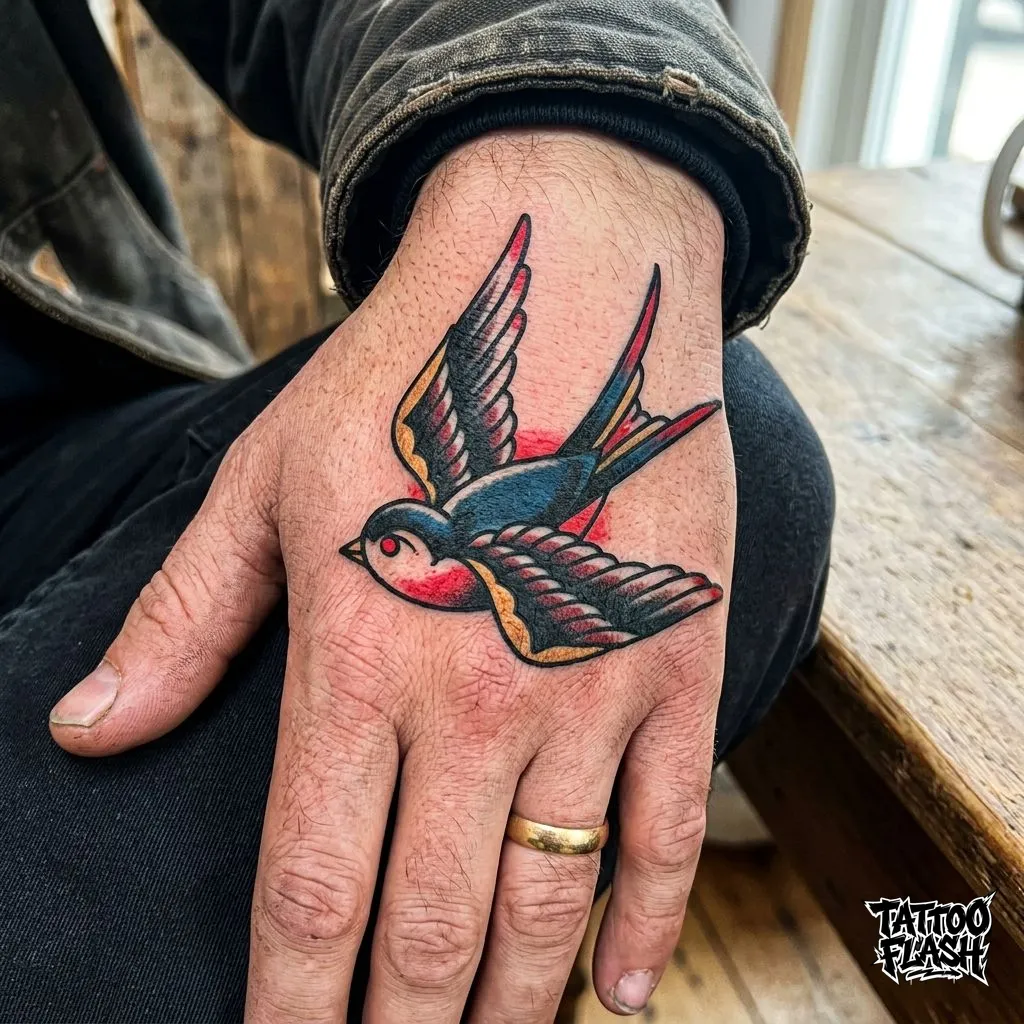
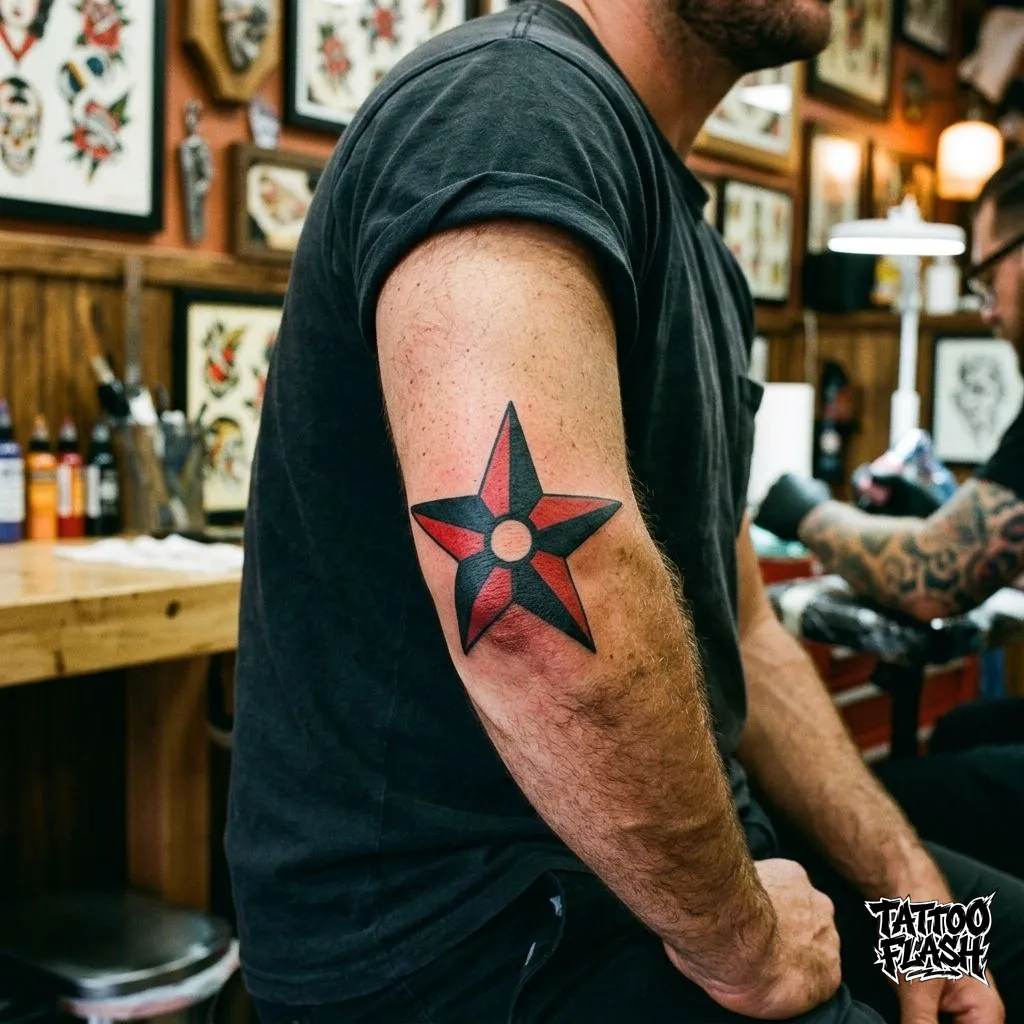
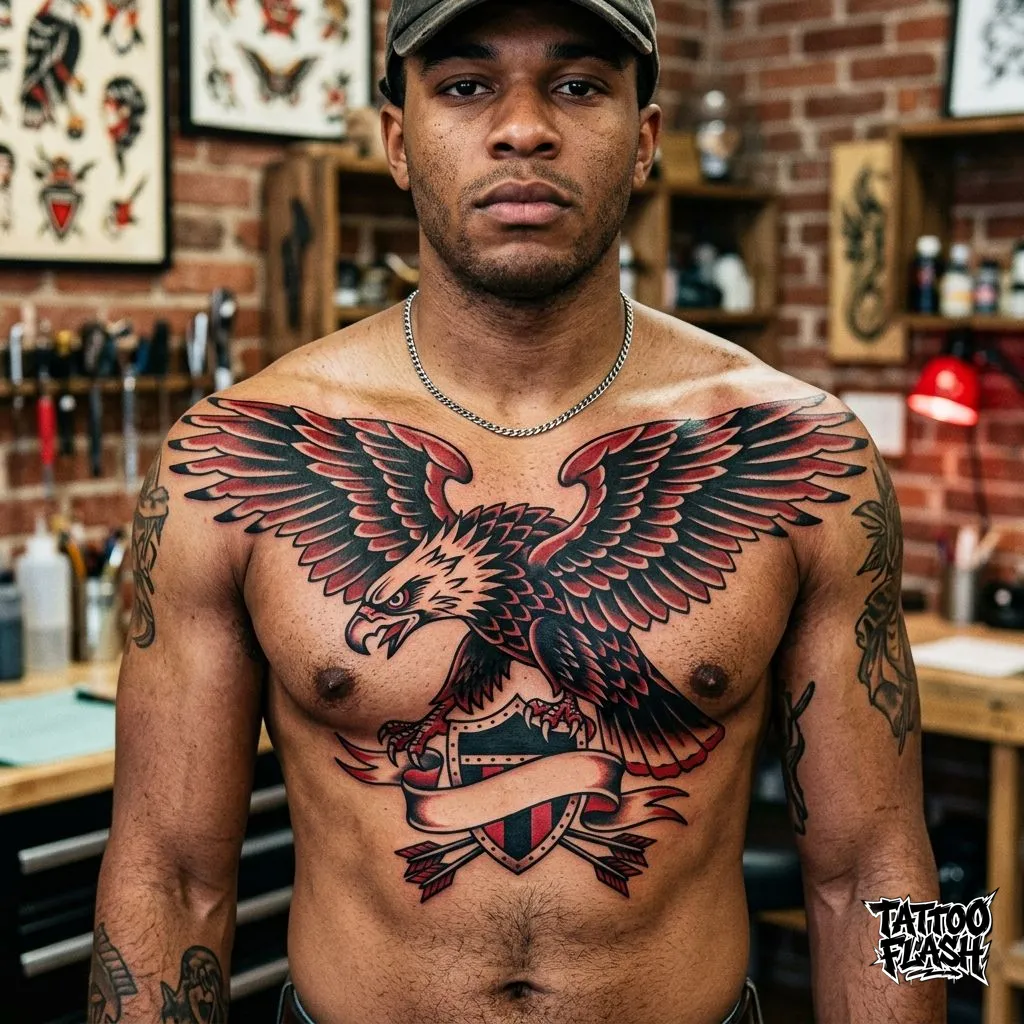
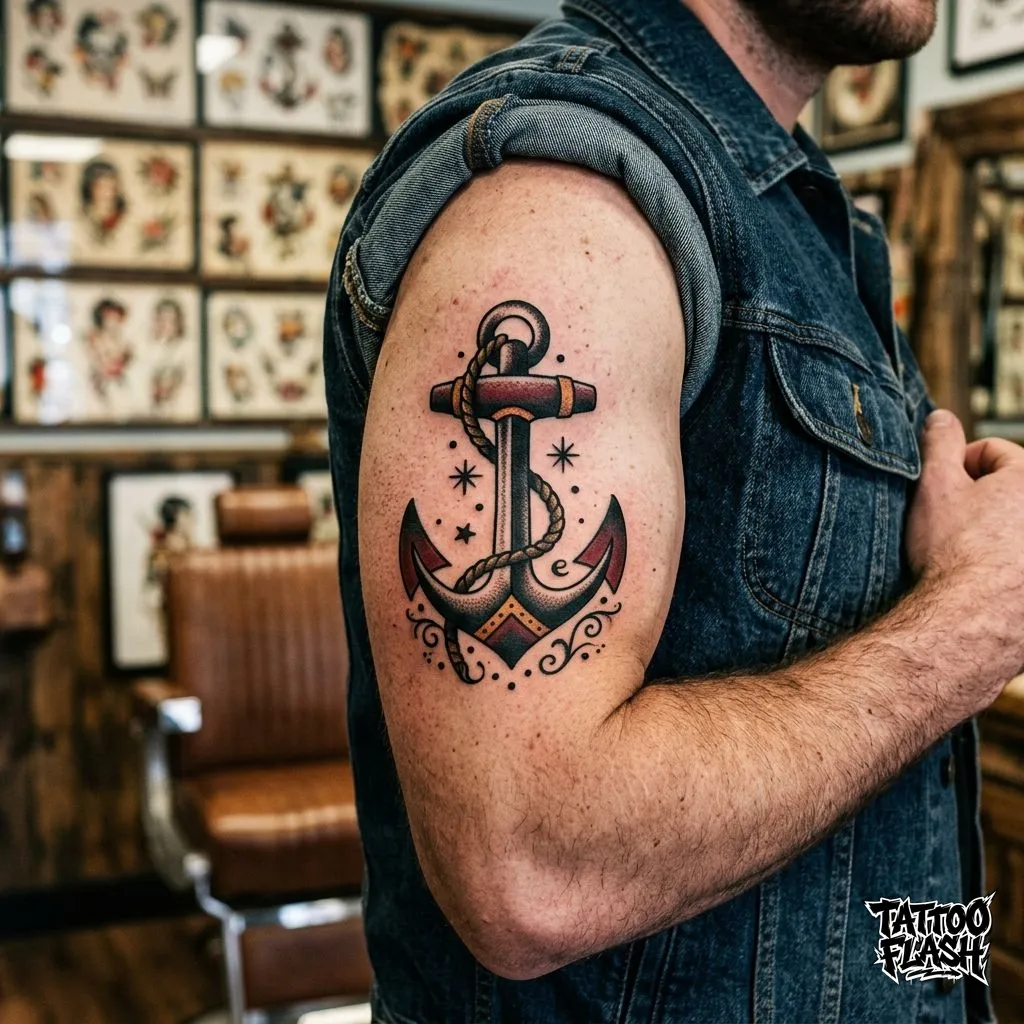
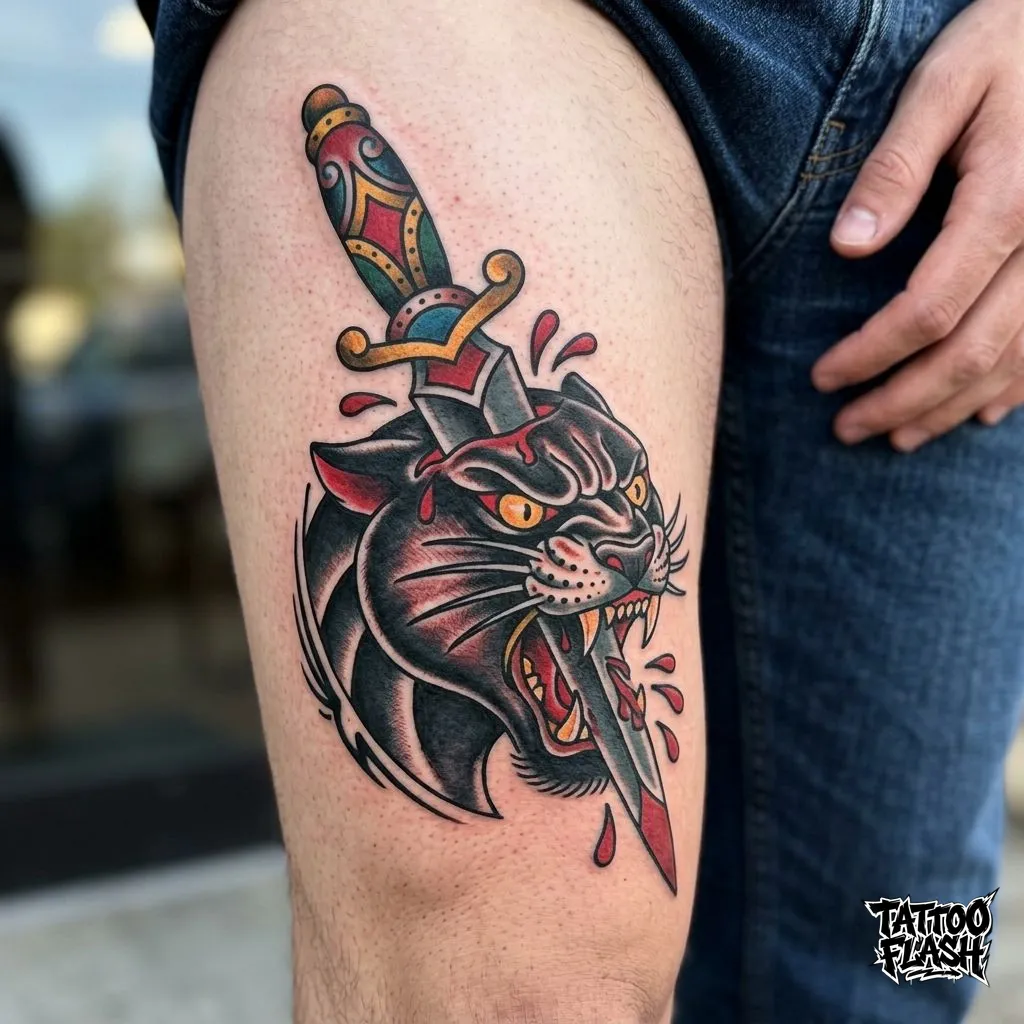
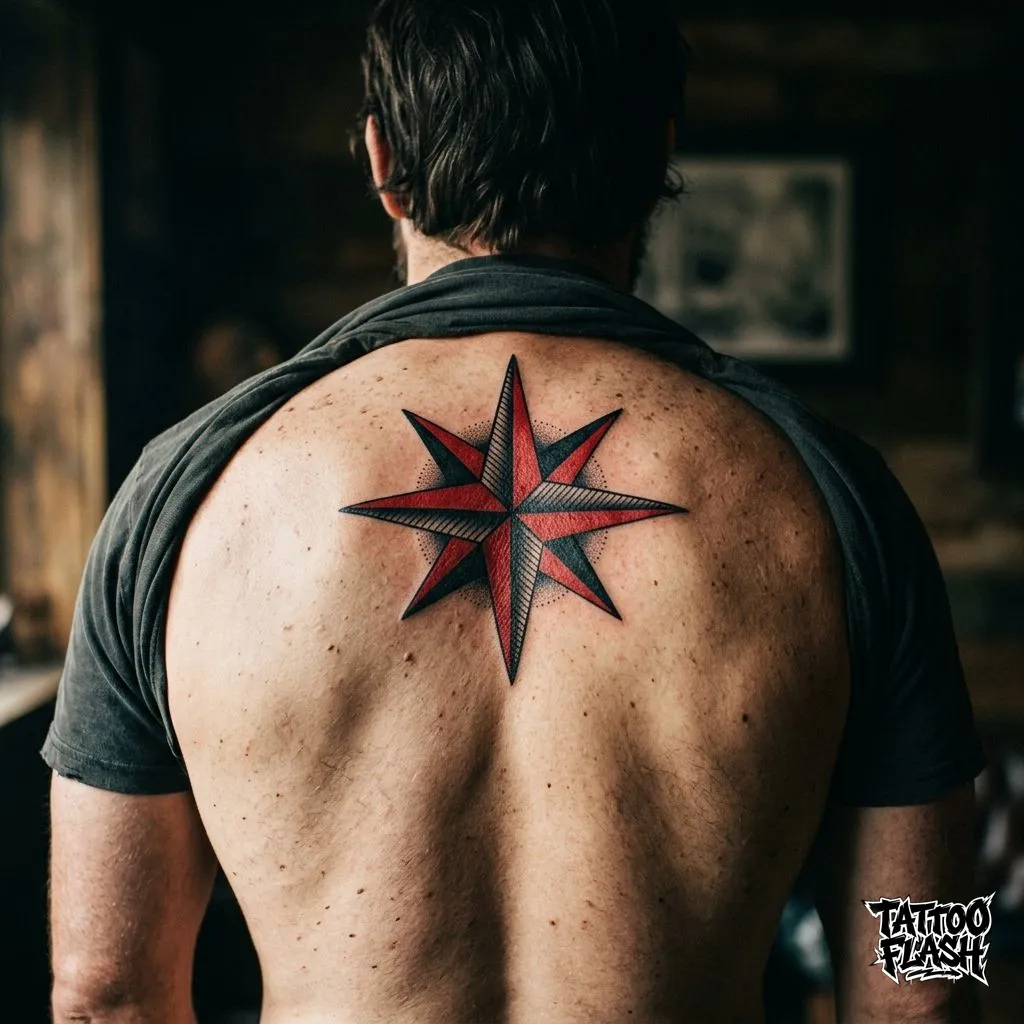
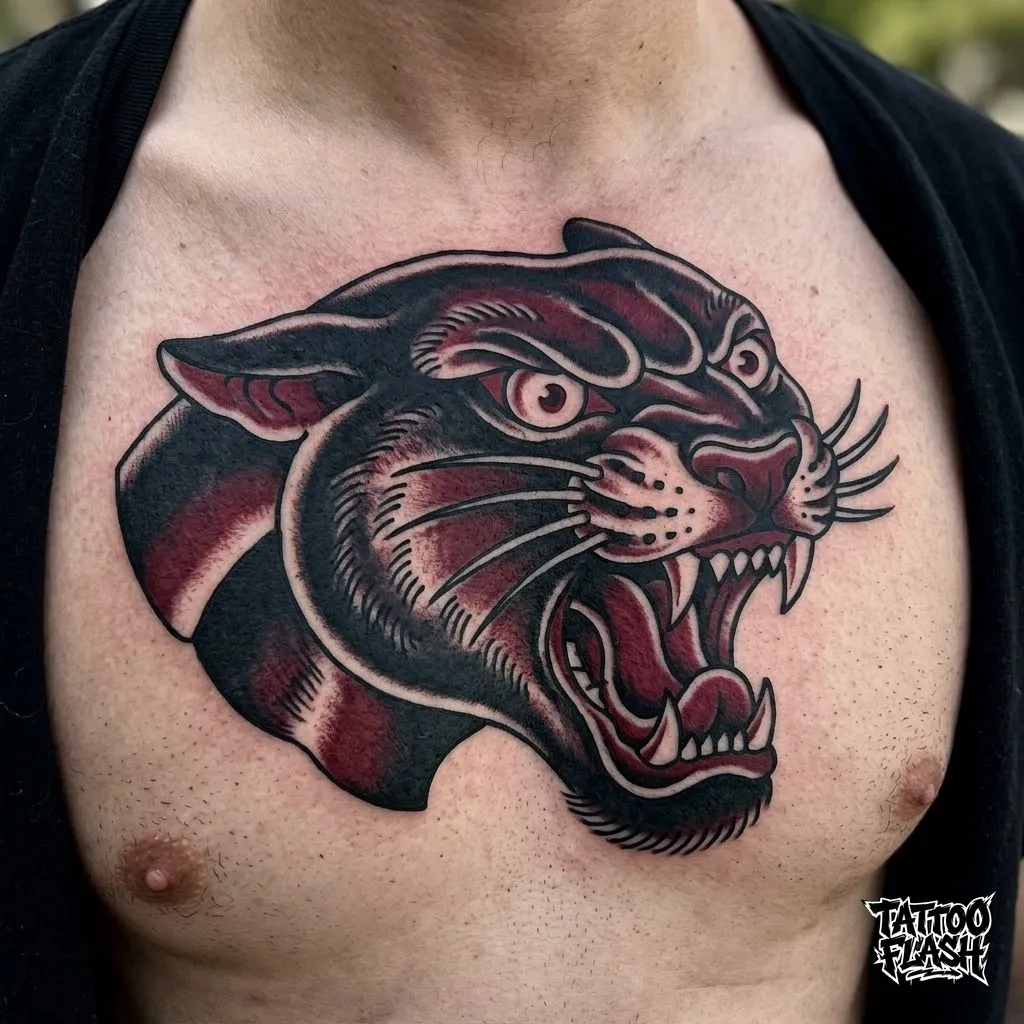
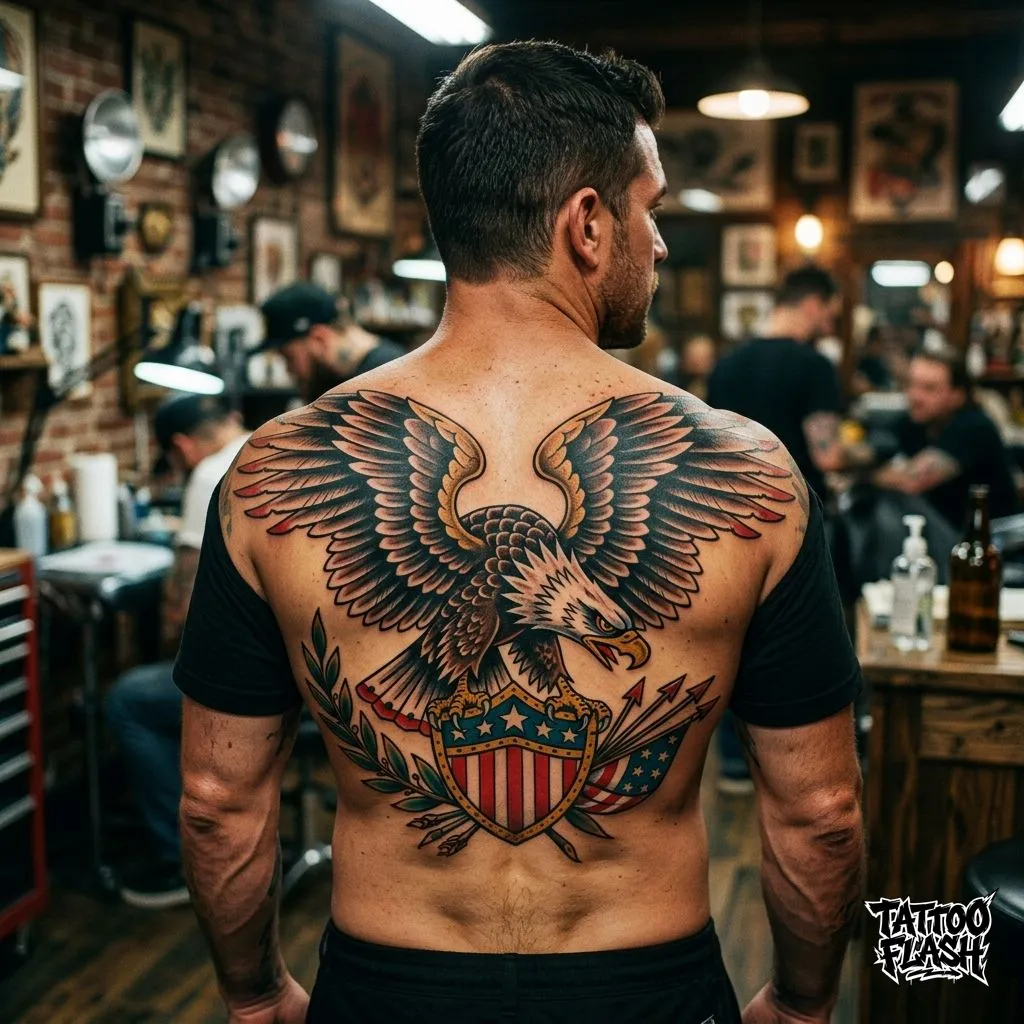
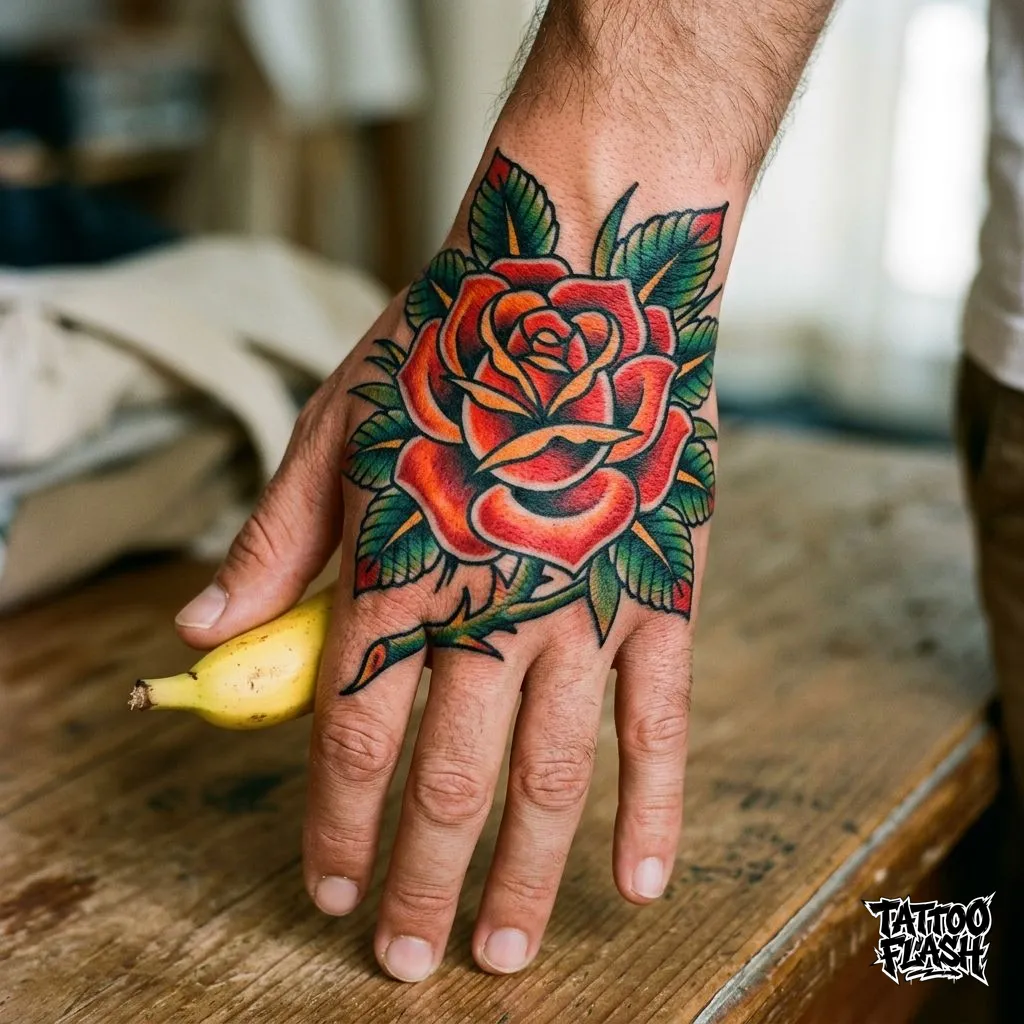
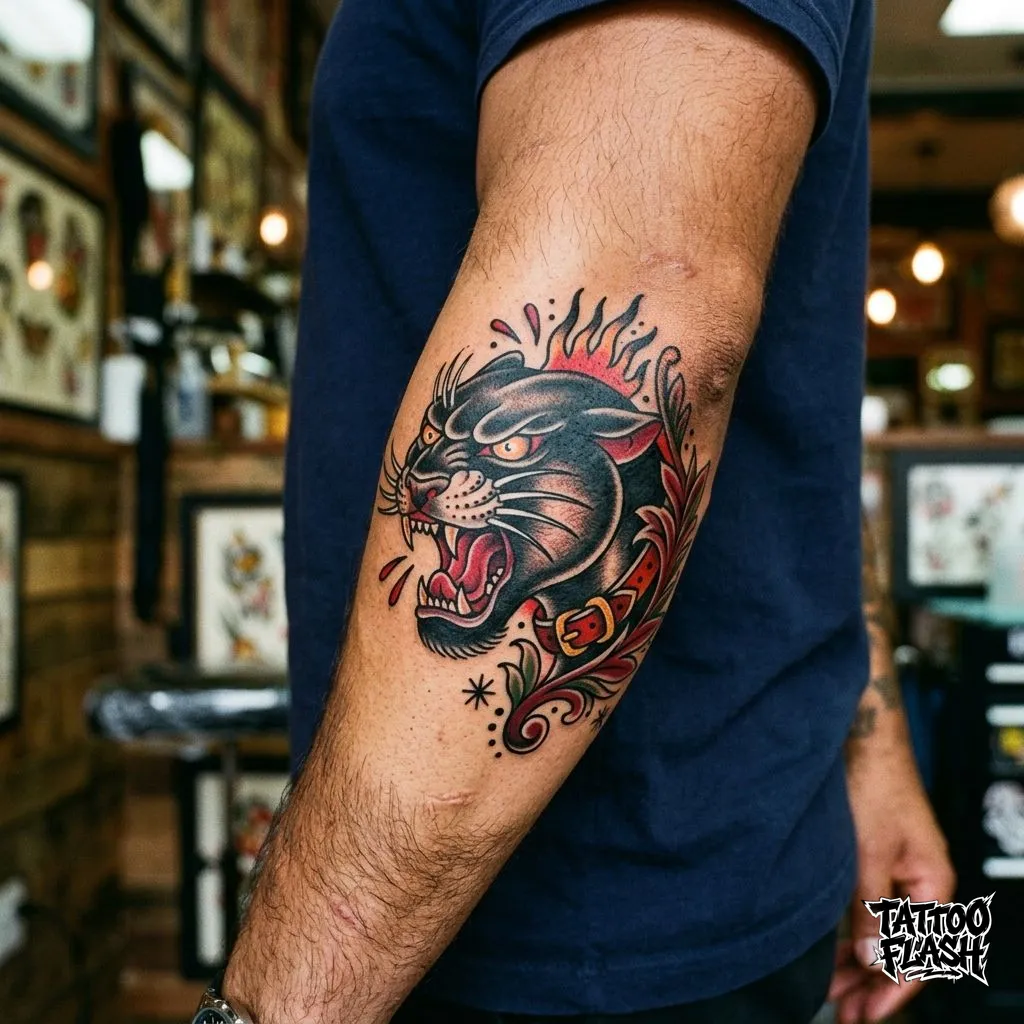
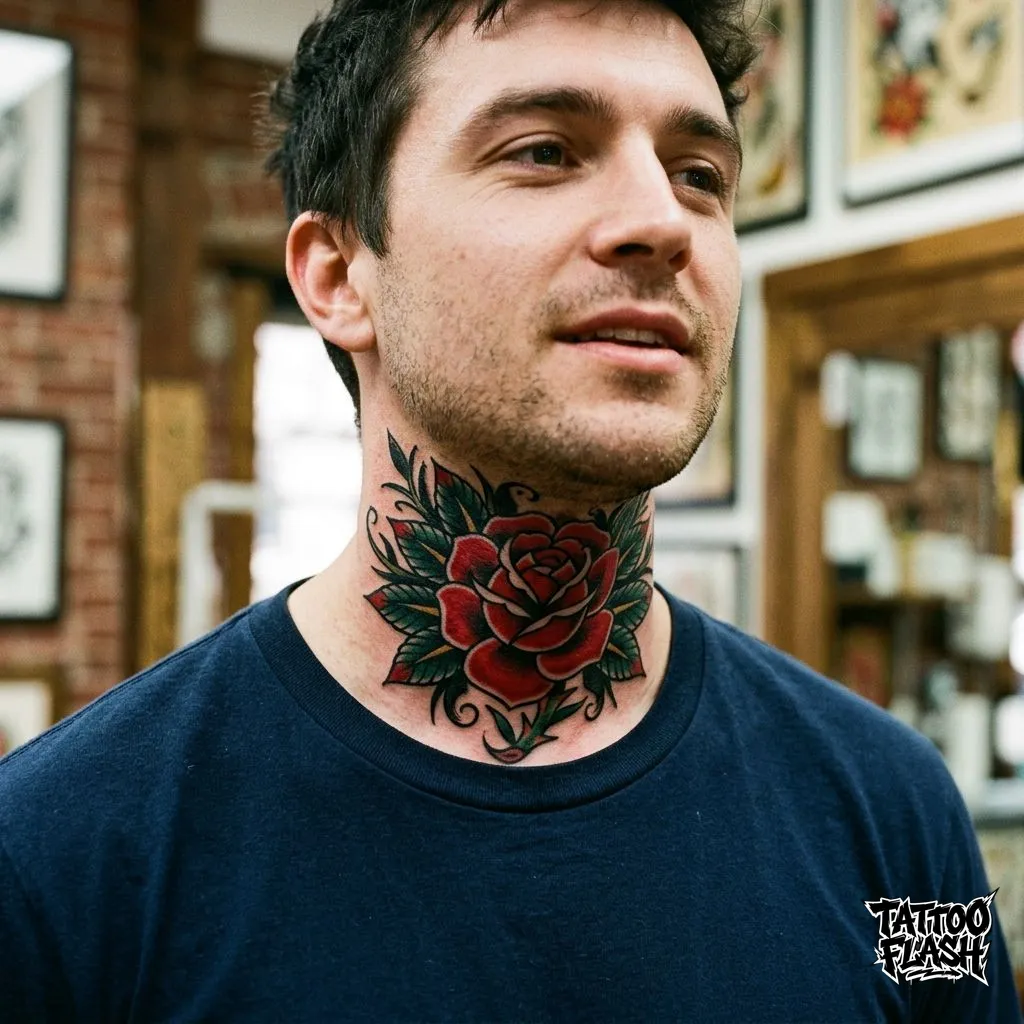
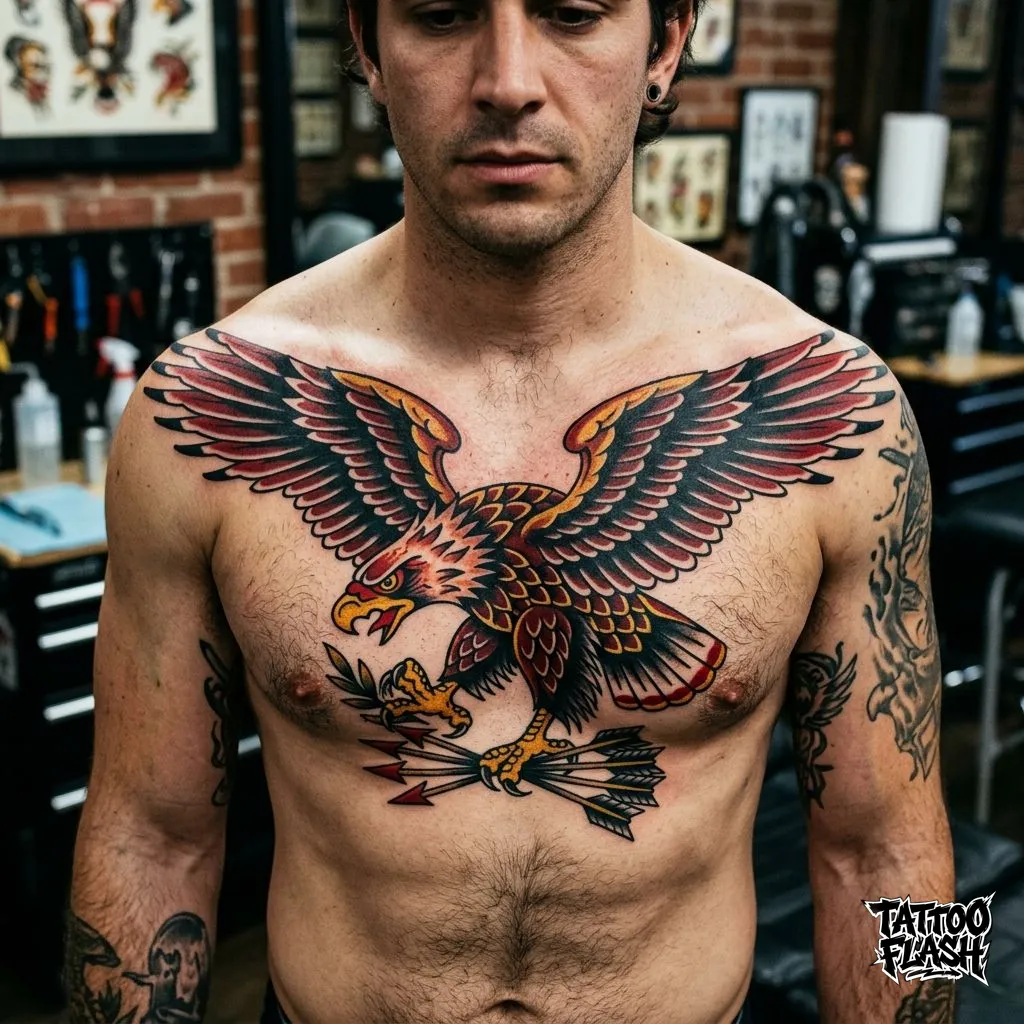
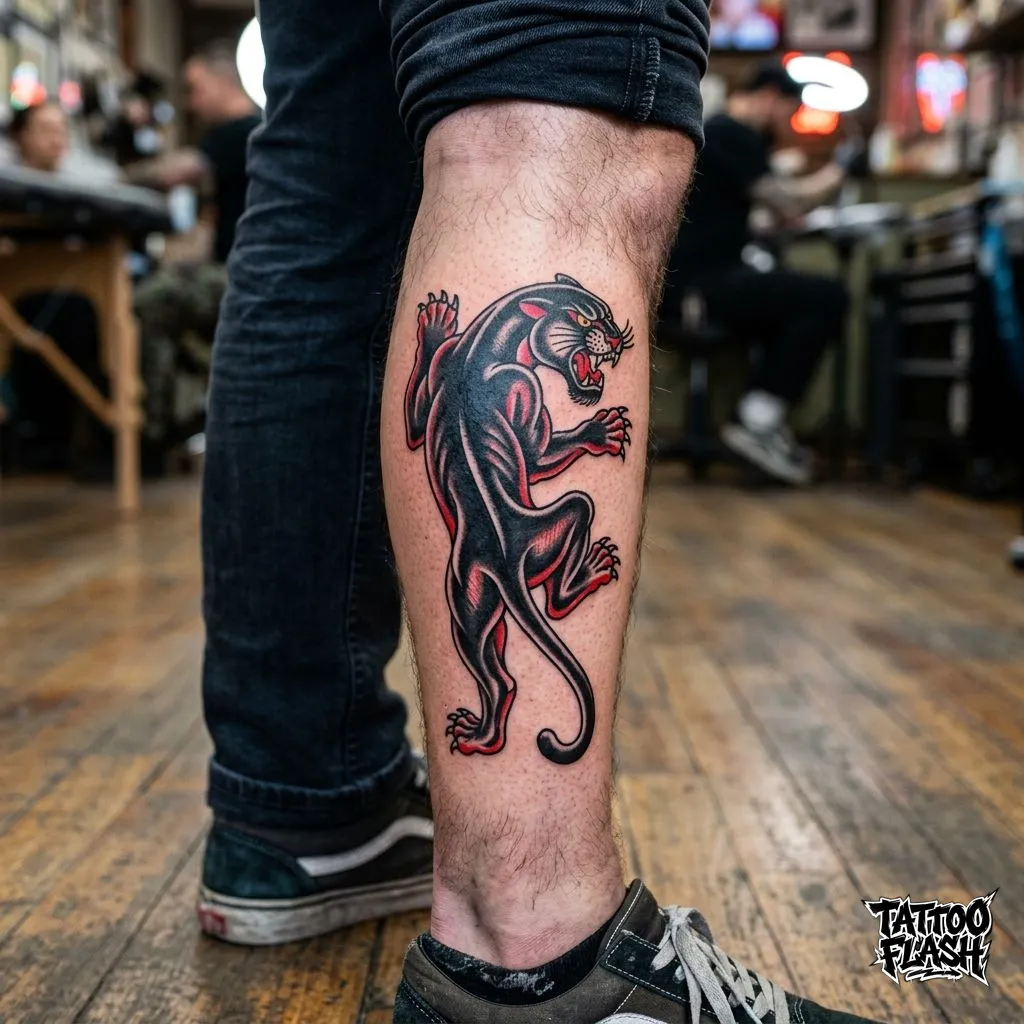
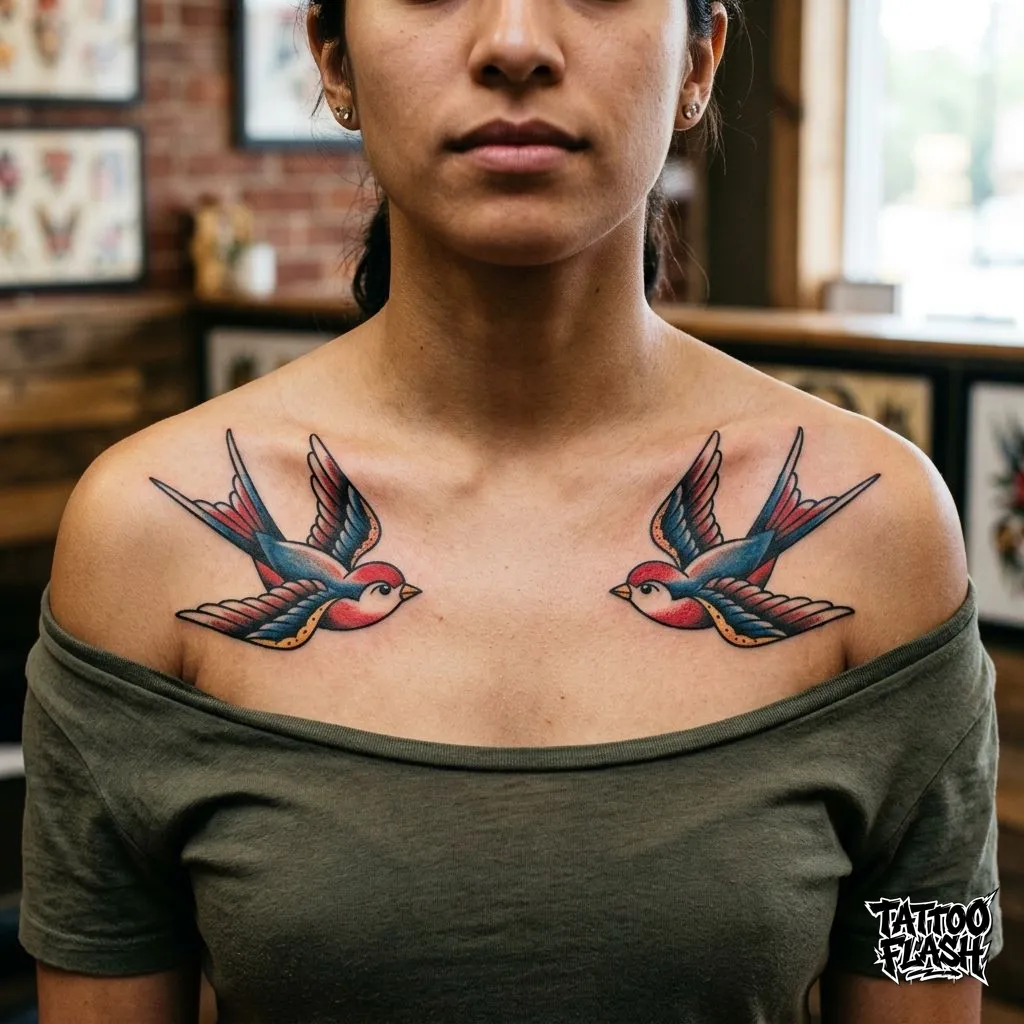
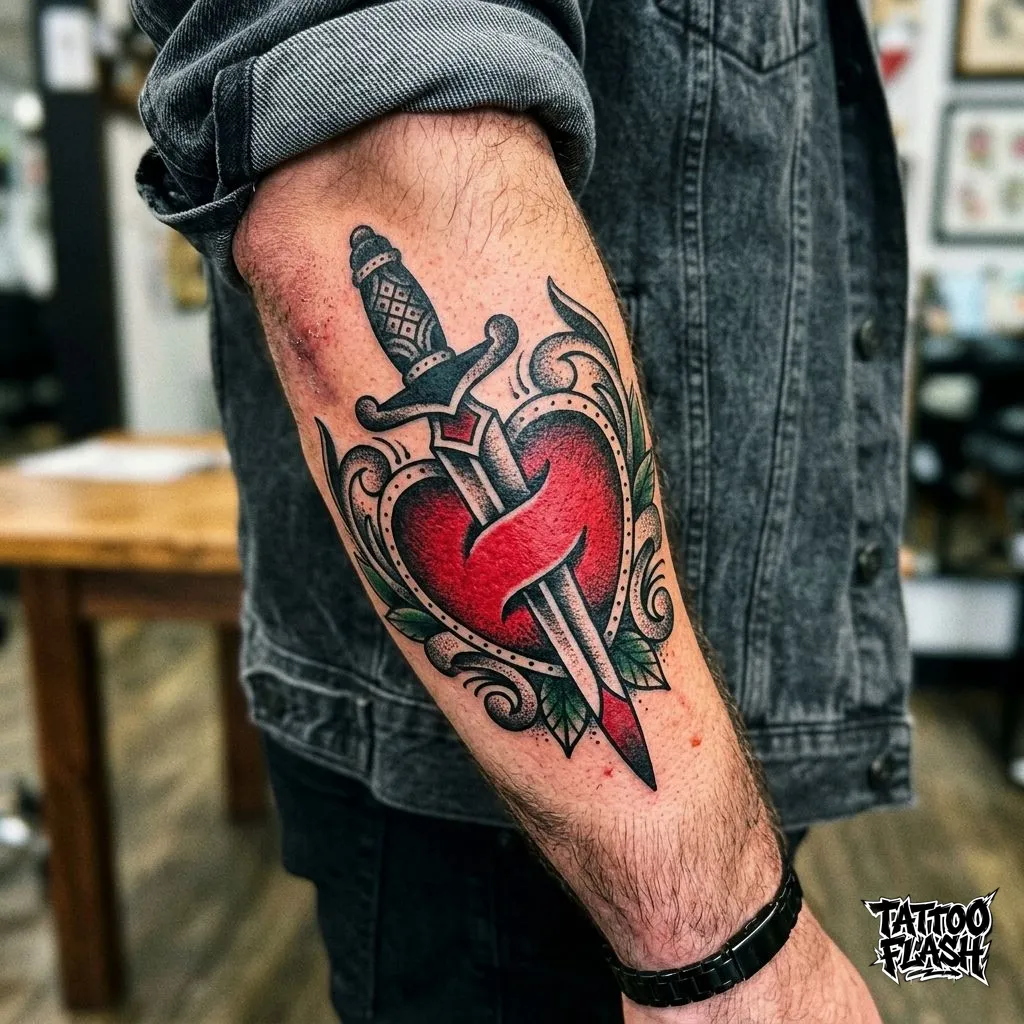
Traditional tattooing makes the main motif unmistakable from a distance. Bold contour lines, compact shading, and familiar flash language give anchors, roses, eagles, snakes, and daggers their durable visual punch.
Small and medium pieces are realistic when the outline remains dominant. More elaborate scenes should grow rather than compress their shading and color gaps.
Traditional designs are flexible because their badge-like silhouettes can rotate or scale without losing identity. Forearms, calves, thighs, and the chest offer enough room for the outline hierarchy and color blocks to remain clear.
For planning, traditional concepts pair especially well with forearm, calf, thigh, and chest. Placement fit is usually the difference between a reference that feels intentional and one that feels pasted on.
Start with one primary motif and one supporting element, then specify mood and palette. Asking for photographic texture or too many tiny symbols weakens the direct flash logic that makes this style work.
If you move from this archive into the generator, keep the brief focused on subject, composition, and placement. The more the prompt tries to do everything at once, the less the traditional identity tends to survive.