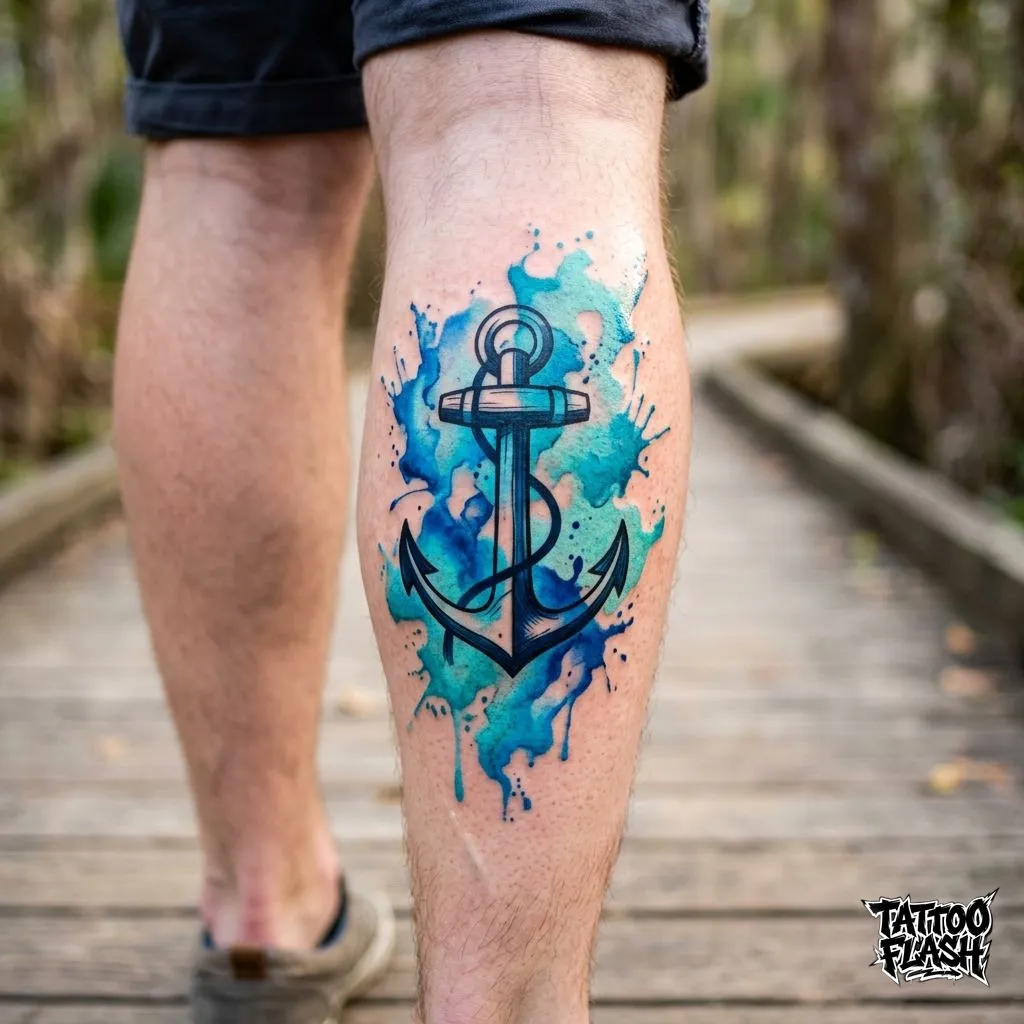
WatercolorLeg
Abstract Watercolor Anchor Calf TattooStyle Focus
Painterly tattoos that use translucent washes, soft edges, and expressive color movement.
This style archive is still light on published examples, so it will stay out of search indexes until more designs are live.
Published references
1
Recommended placements
0
Common fits
forearm, back, and other placements with enough room for clear composition
Watercolor tattoo ideas perform best when the page explains what the style is doing, where it translates cleanly, and how to brief it without flattening it into a generic prompt. This archive should act like a style decision page first and a gallery second.
Watercolor works best when the visual rules of the style stay obvious. Searchers usually want help understanding what makes the style distinct, not just another pile of examples.
Watercolor becomes stronger when the scale matches the complexity. The page should answer that sizing question directly.
Watercolor ideas translate best when the placement supports the silhouette, contrast, and pacing of the design. That is usually the first decision users need help making.
In the current library, watercolor concepts are pairing most often with forearm, back, and other placements with enough room for clear composition. That matters because placement fit is usually the difference between a reference that feels intentional and one that feels pasted on.
A useful watercolor brief defines the subject, the amount of detail, and how much negative space the artist should preserve. That keeps the concept readable and easier to refine.
If you move from this archive into the generator, keep the brief focused on subject, composition, and placement. The more the prompt tries to do everything at once, the less the watercolor identity tends to survive.
