JapaneseBack
Japanese Back Tattoo IdeaStyle Focus
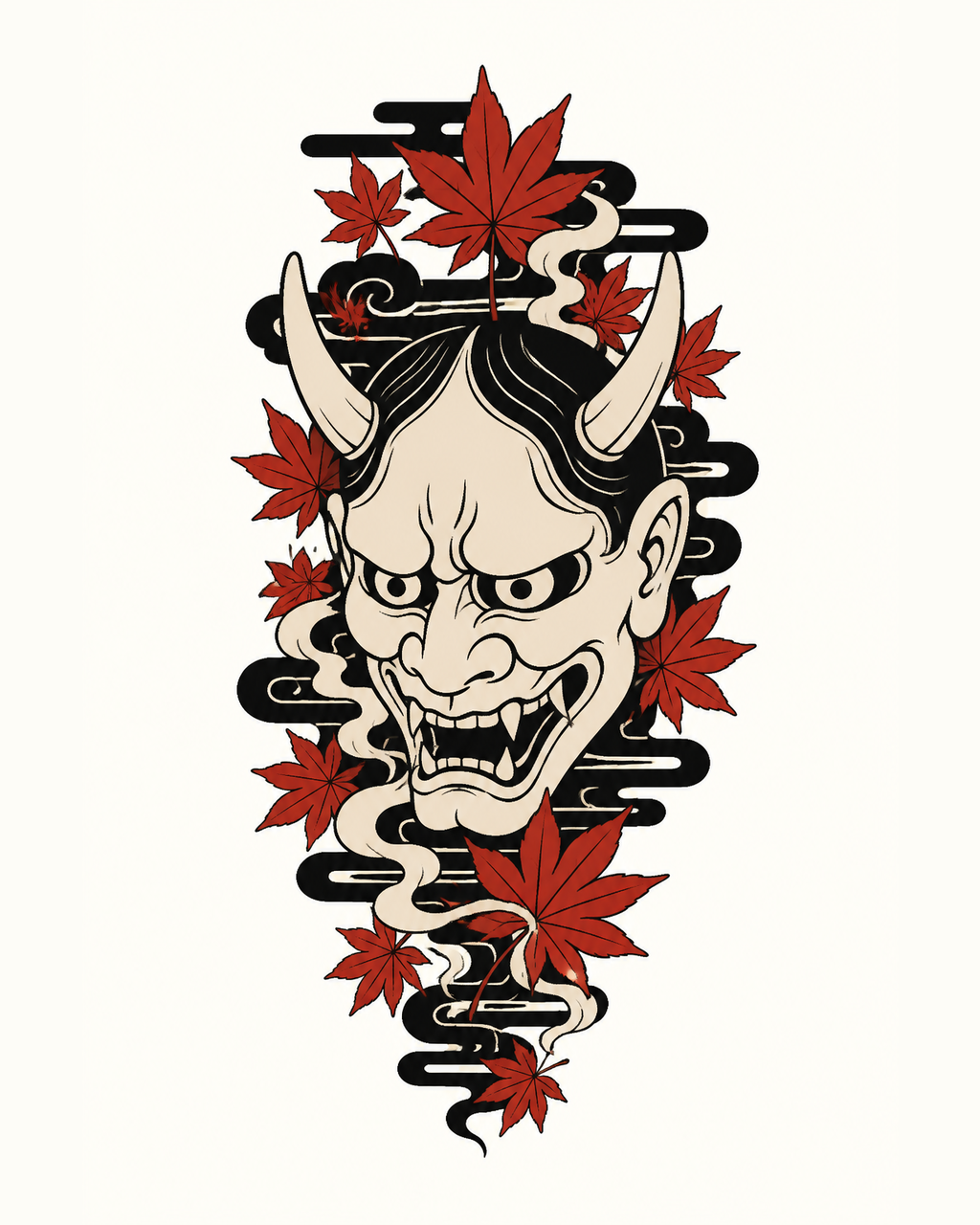
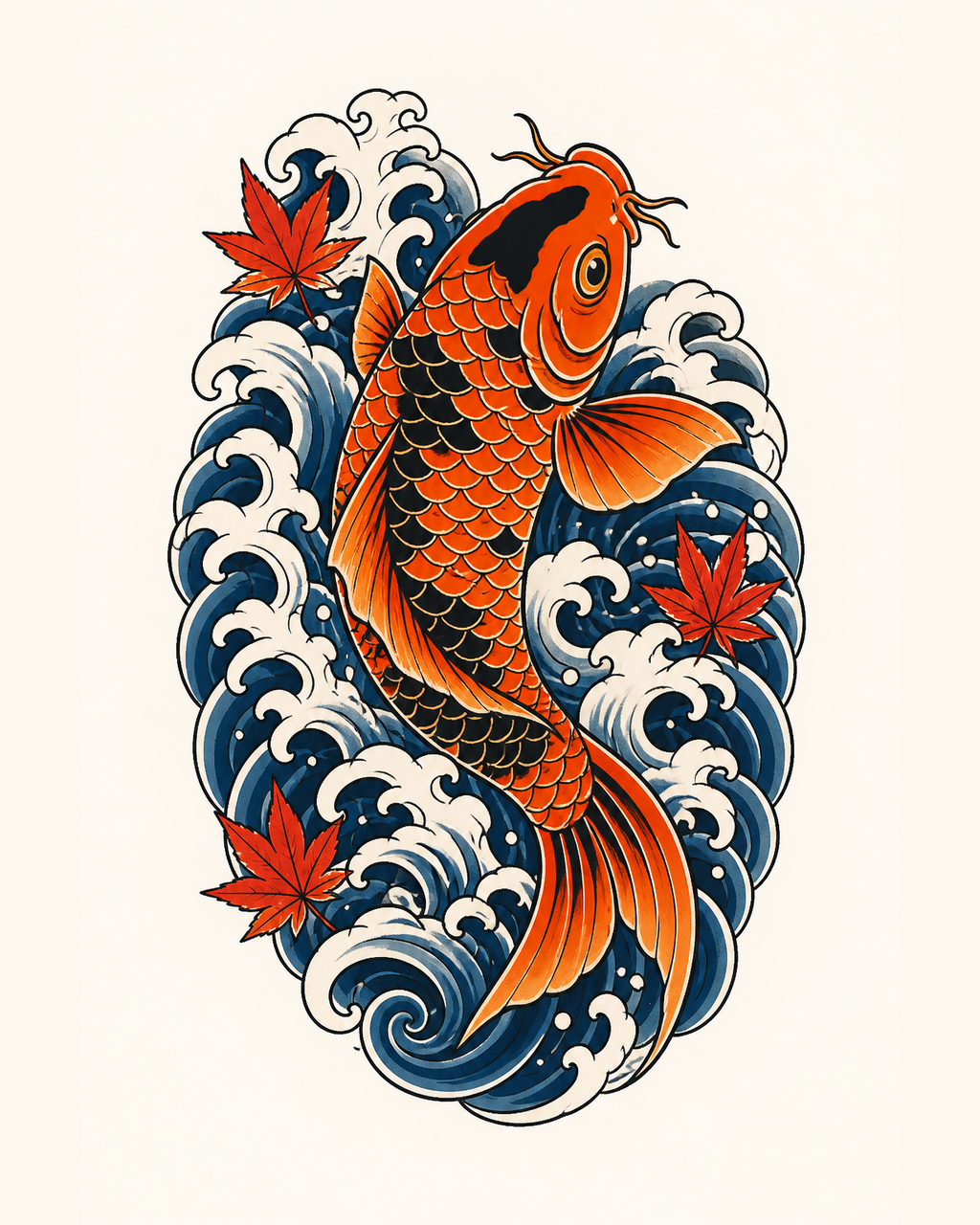
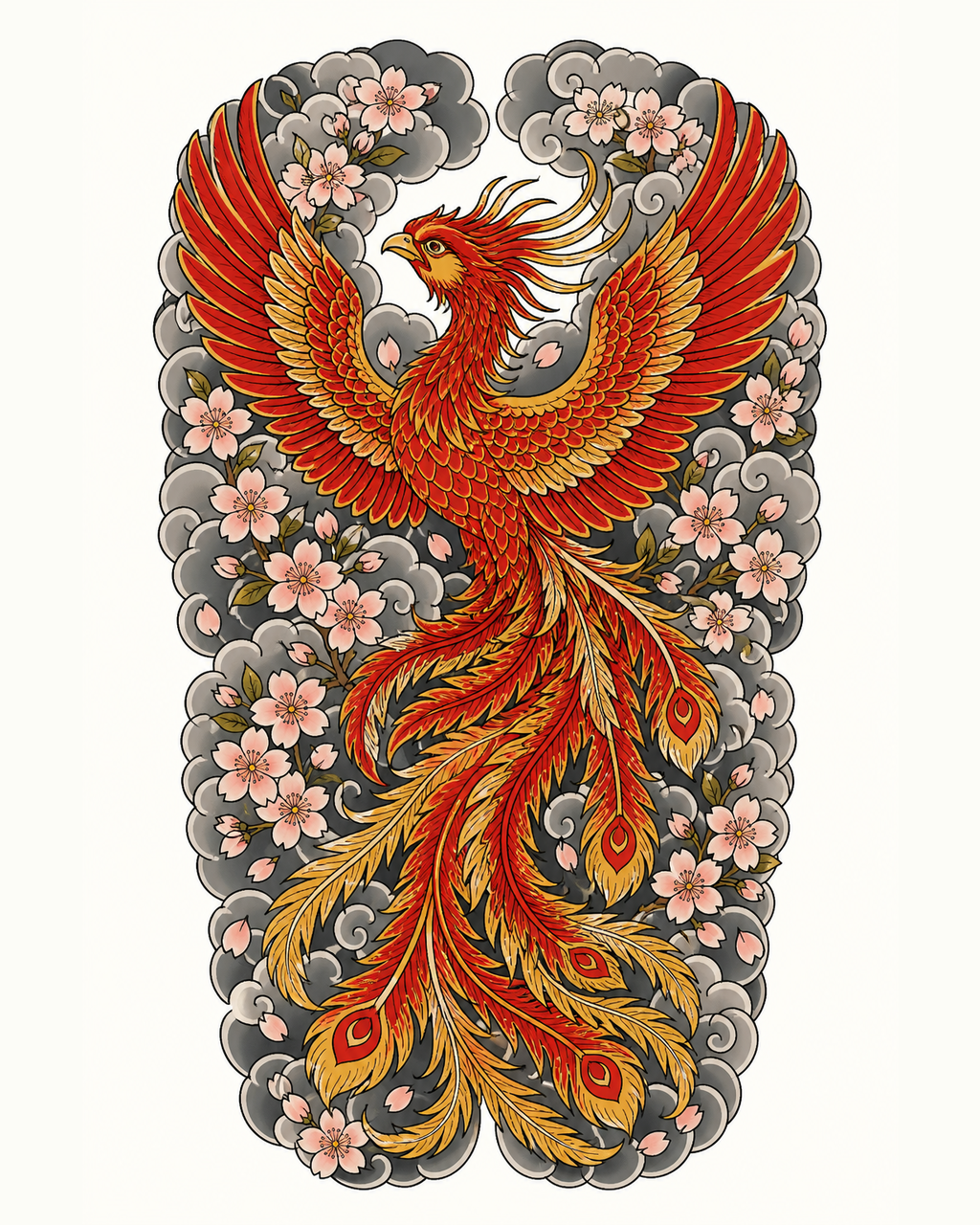
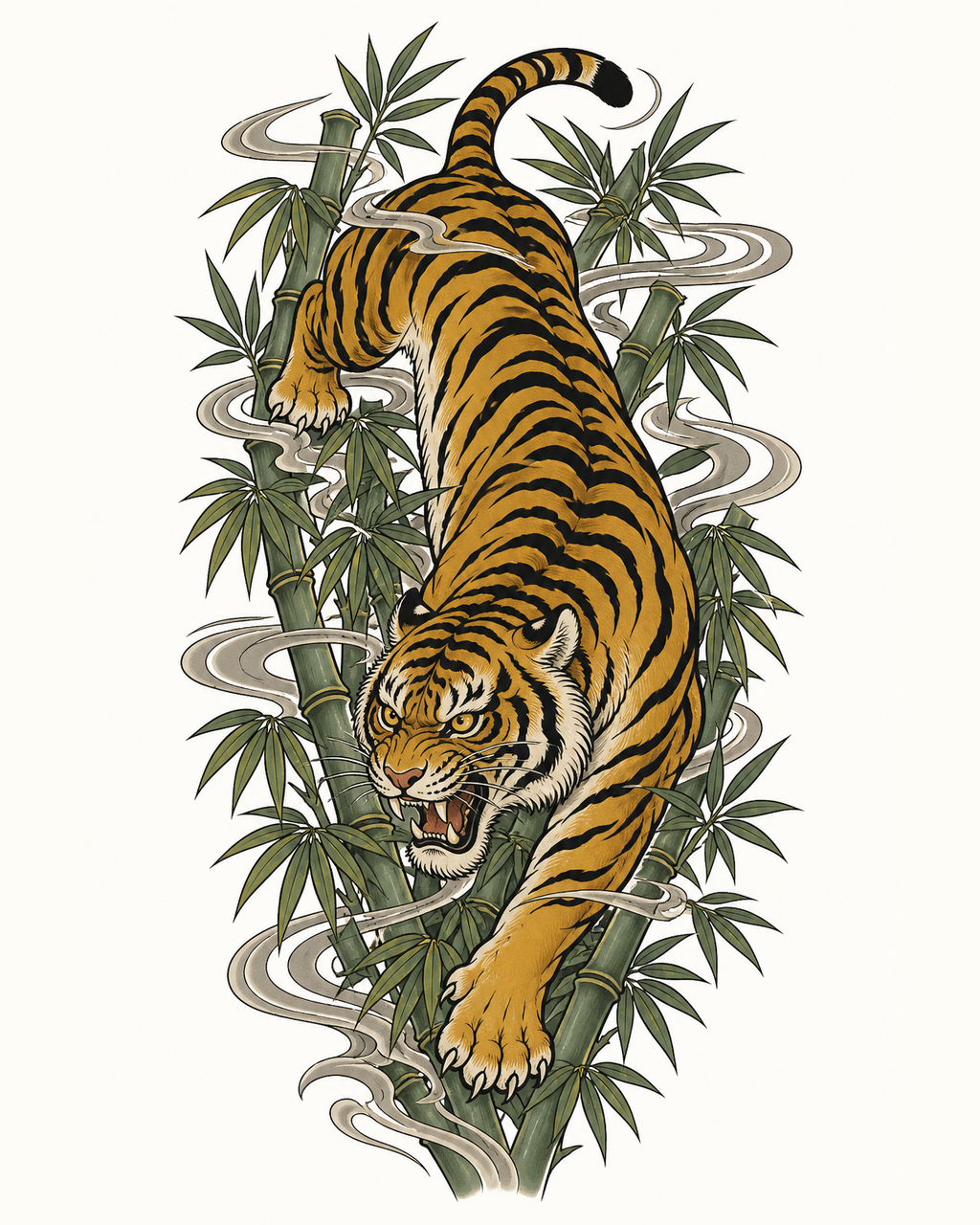
Narrative irezumi compositions with bold contours, symbolic motifs, and backgrounds built for body flow.
Published references
9
Recommended placements
5
Common fits
Back (Full), Chest, Thigh, Calf, and Shoulder Blade
Narrative irezumi compositions with bold contours, symbolic motifs, and backgrounds built for body flow. Compare the published references below, then use the placement and briefing guidance to turn the visual direction into a workable tattoo concept.
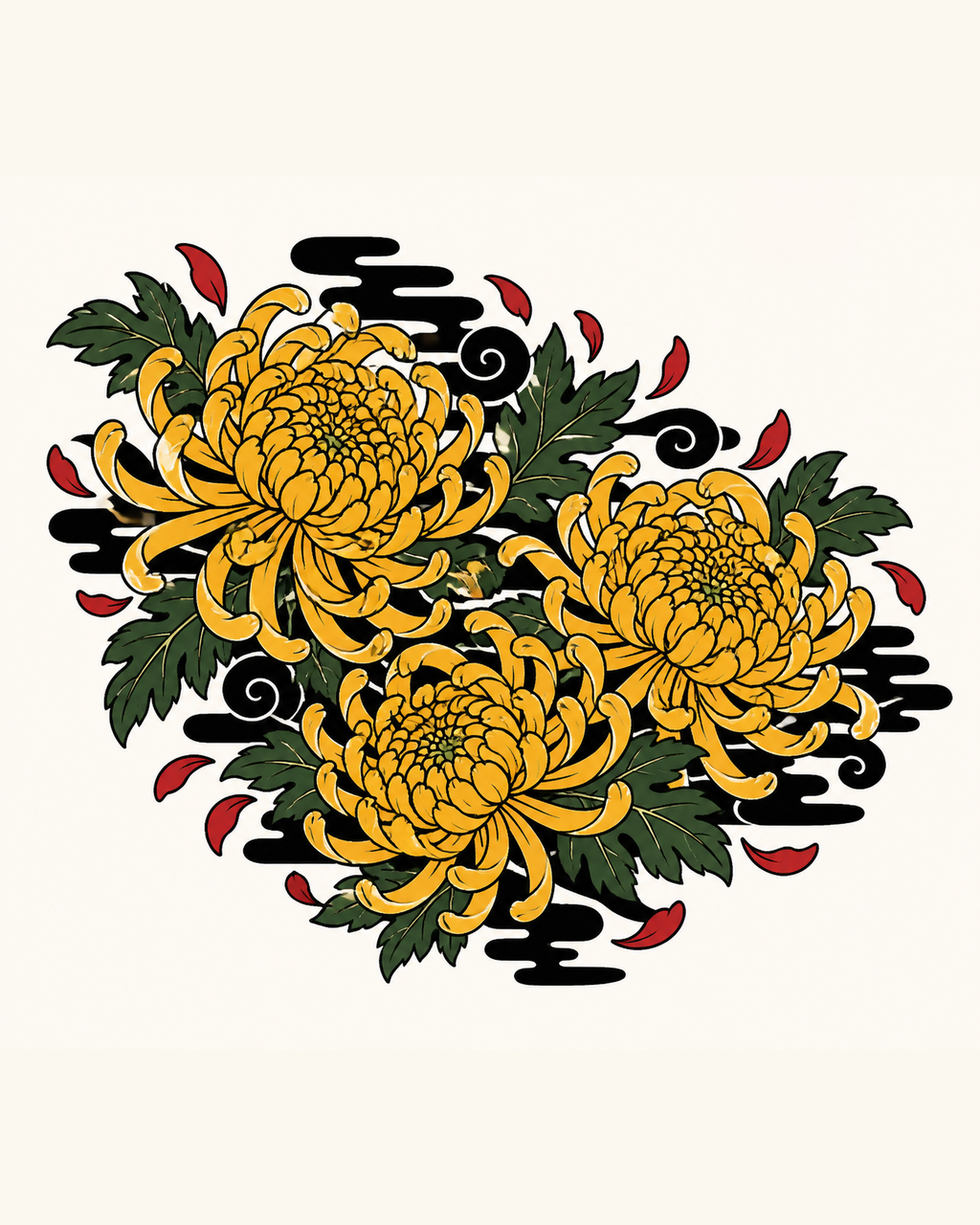
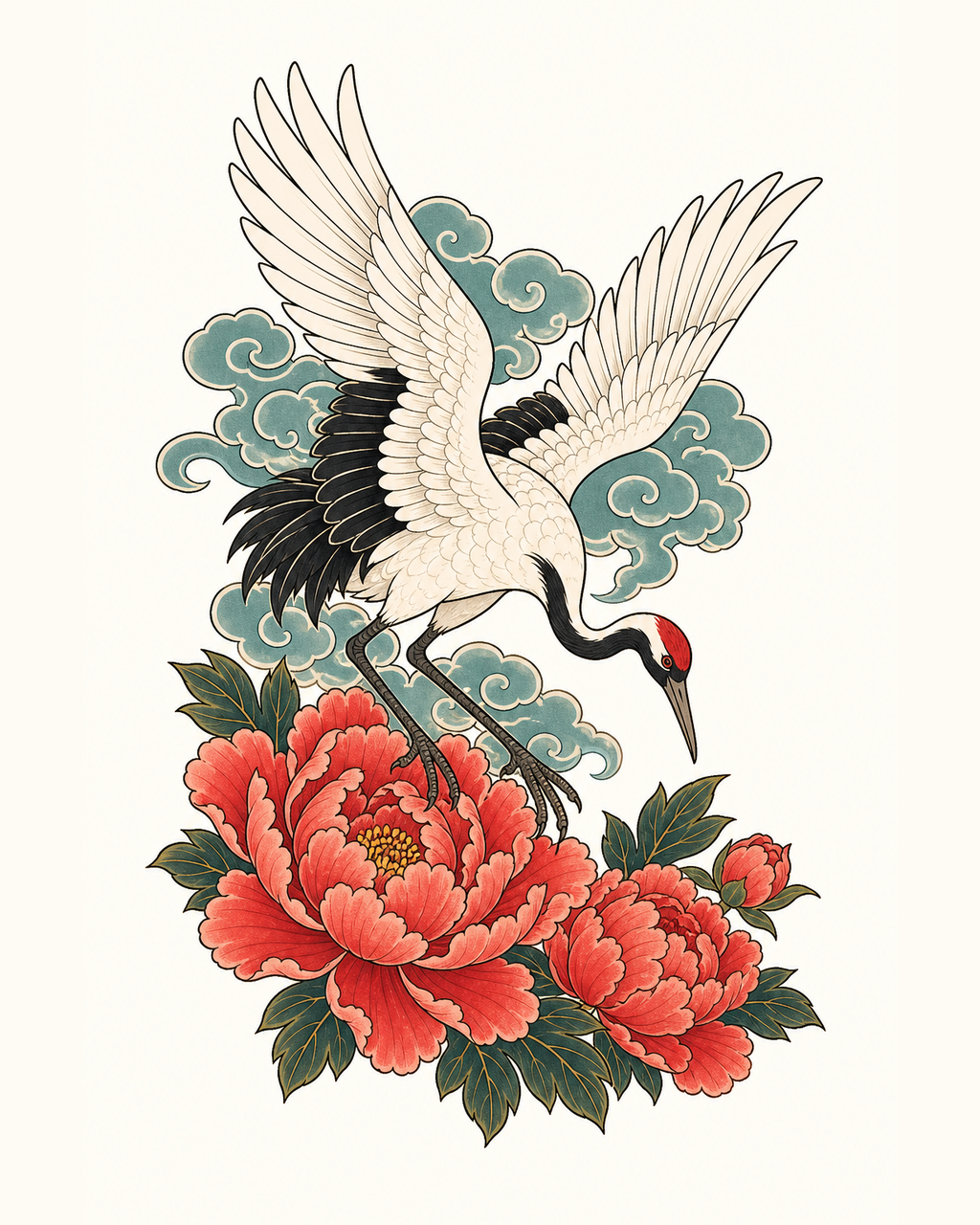
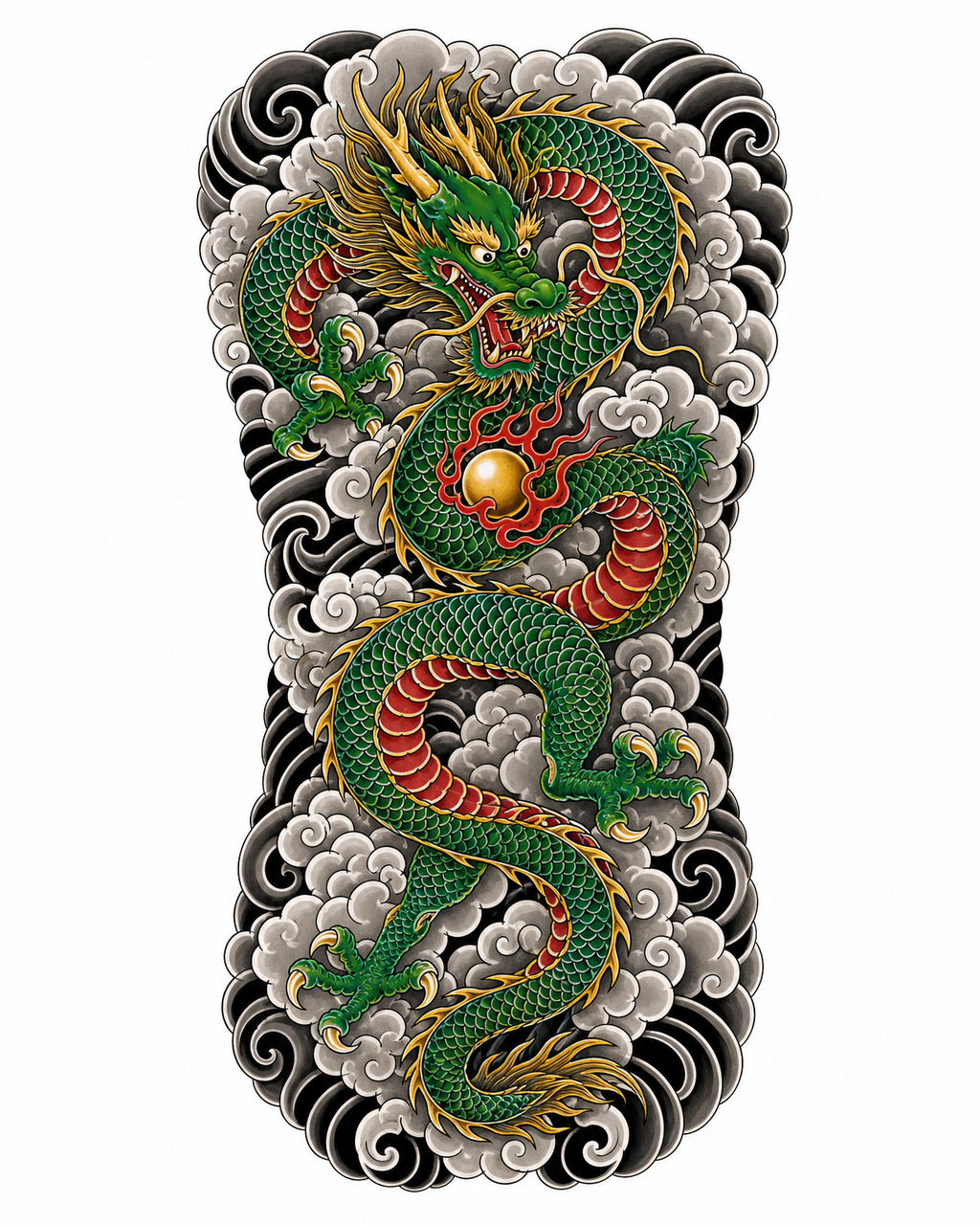
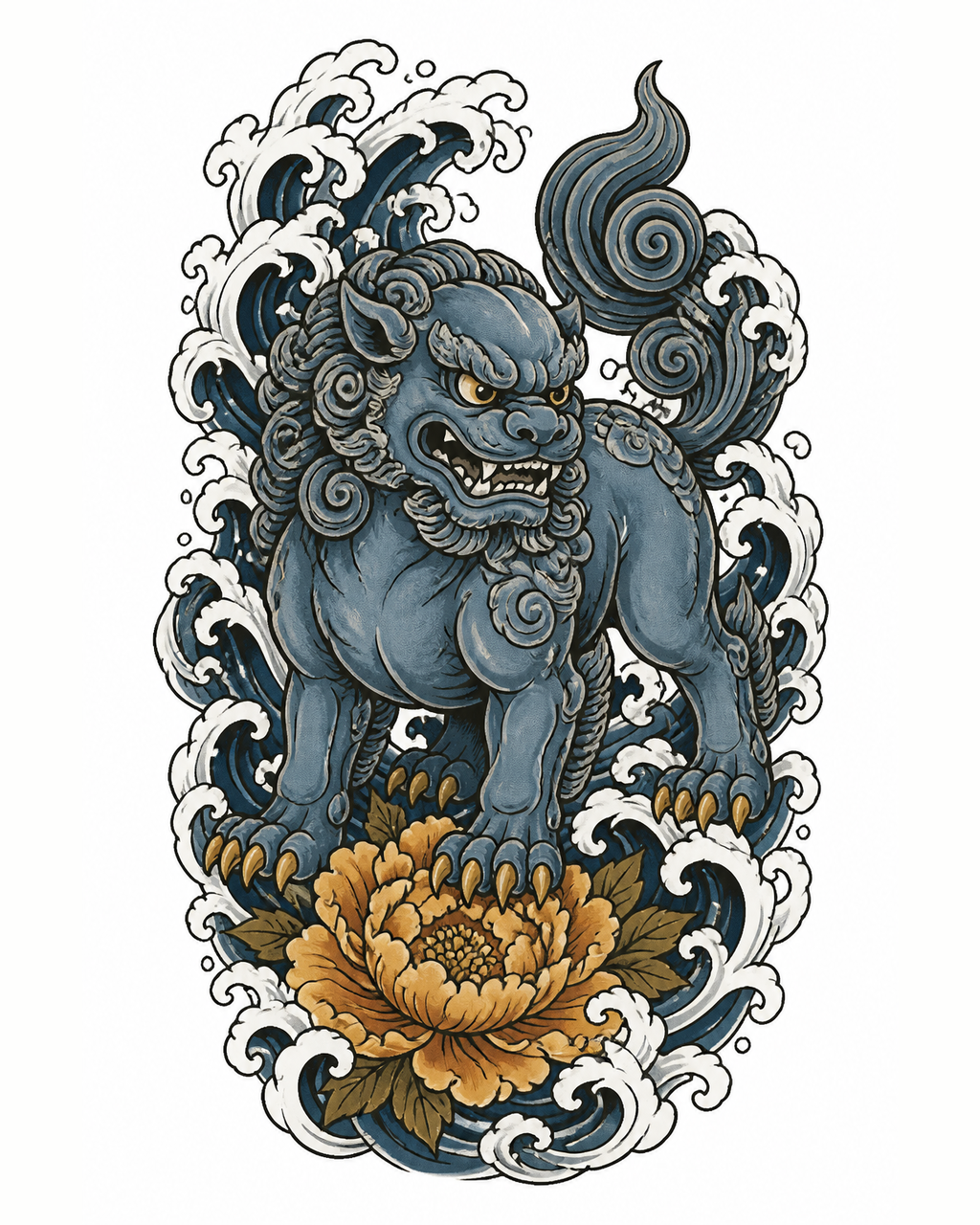
Japanese tattooing joins a dominant subject with secondary botanicals and a background system of waves, clouds, wind bars, or smoke. The power comes from the whole composition moving together, not from placing isolated symbols side by side.
Japanese compositions reward scale. A smaller piece should simplify to one strong motif with restrained background work rather than compressing a full-body scene.
Large, curved body areas support the scale and directional flow of irezumi. Full backs, chests, thighs, calves, and shoulder blades let the main figure breathe while background elements wrap with the anatomy.
For planning, japanese concepts pair especially well with back (full), chest, thigh, calf, and shoulder blade. Placement fit is usually the difference between a reference that feels intentional and one that feels pasted on.
Choose the hero motif first, then pair it with a season, botanical element, and background movement that make symbolic sense. Tell the artist which direction the figure should travel across the body.
If you move from this archive into the generator, keep the brief focused on subject, composition, and placement. The more the prompt tries to do everything at once, the less the japanese identity tends to survive.