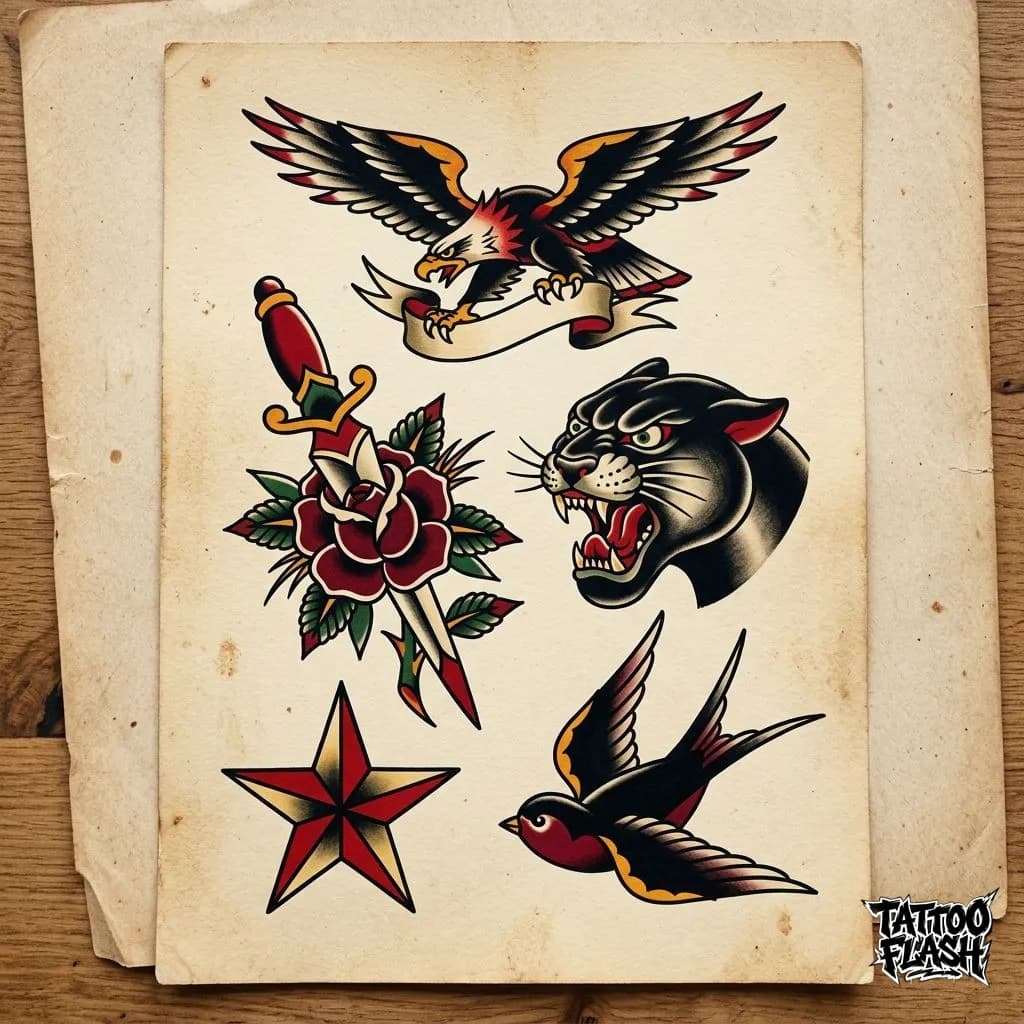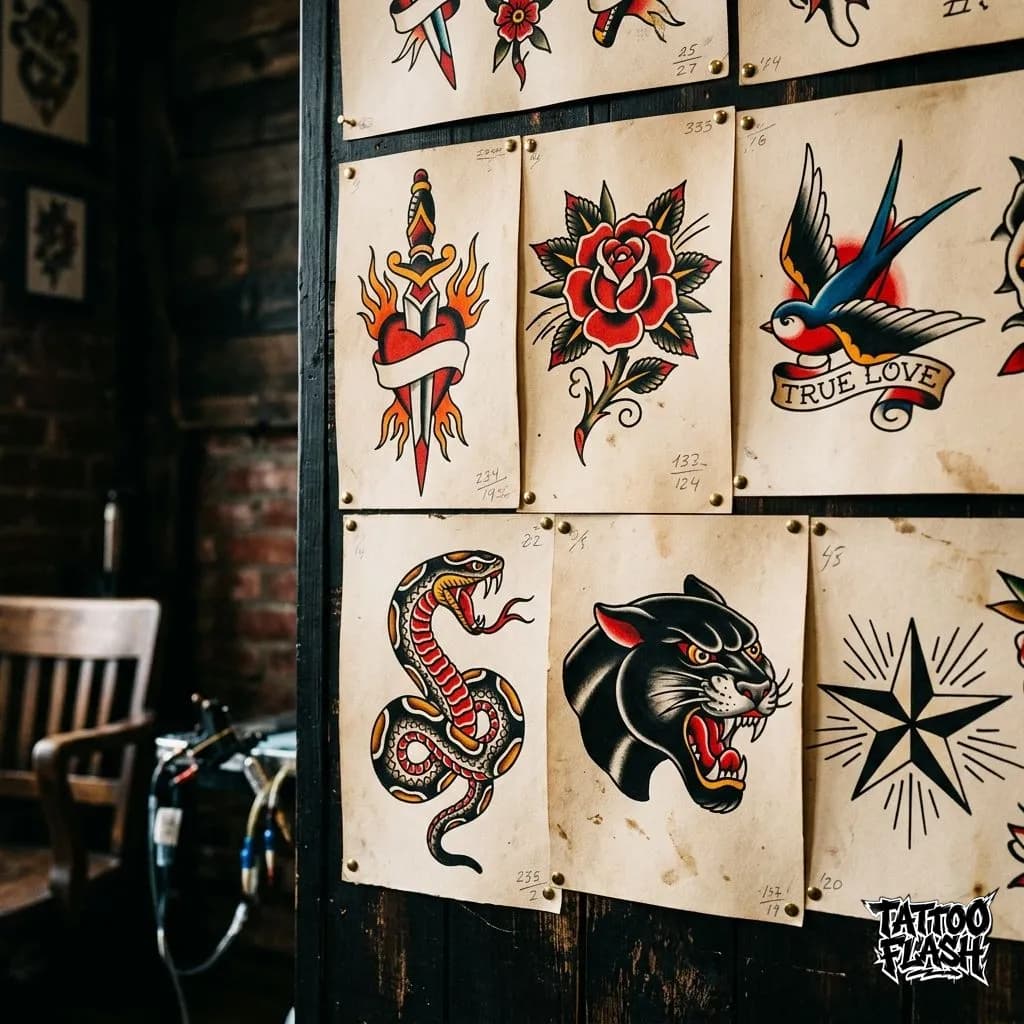
Compare tattoo pain by body area, understand why some placements hurt more, and use pain together with visibility, fade risk, and space before you decide.
Understanding the Biological Pain Map
Every client asks the same question before the needle drops: "How bad is this going to hurt?" The truth is, tattoo pain is entirely subjective. However, the human nervous system follows predictable patterns, allowing us to map out the universally painful and relatively easy canvases across the body.
A general rule of thumb when evaluating tattoo pain is looking at the ratio of fat and muscle to bone and nerve endings. Areas with dense muscle and thick skin act as natural shock absorbers for the needles. Conversely, areas where the skin stretches tightly over the skeletal structure—or where major nerve clusters reside—will produce a much sharper, vibrating pain.
For further details on how style impacts the process, explore our broader styles guide. If you want the wider decision-first resource, start with our Tattoo Guides archive and then compare how thick outlines differ from soft shading.
The Least Painful Places to Get a Tattoo
If you are stepping into a shop for the very first time, choosing a gentle placement is the smartest way to build your tolerance. The outer thighs, glutes, calves, and outer forearm are universally celebrated as the easiest spots.
The outer structures of the arms and legs are equipped with thick dermal layers designed to protect the body against everyday environmental impact. When an artist pulls a bold line down the outer bicep or forearm, the sensation is often compared to a deep, warm cat scratch rather than unbearable agony.
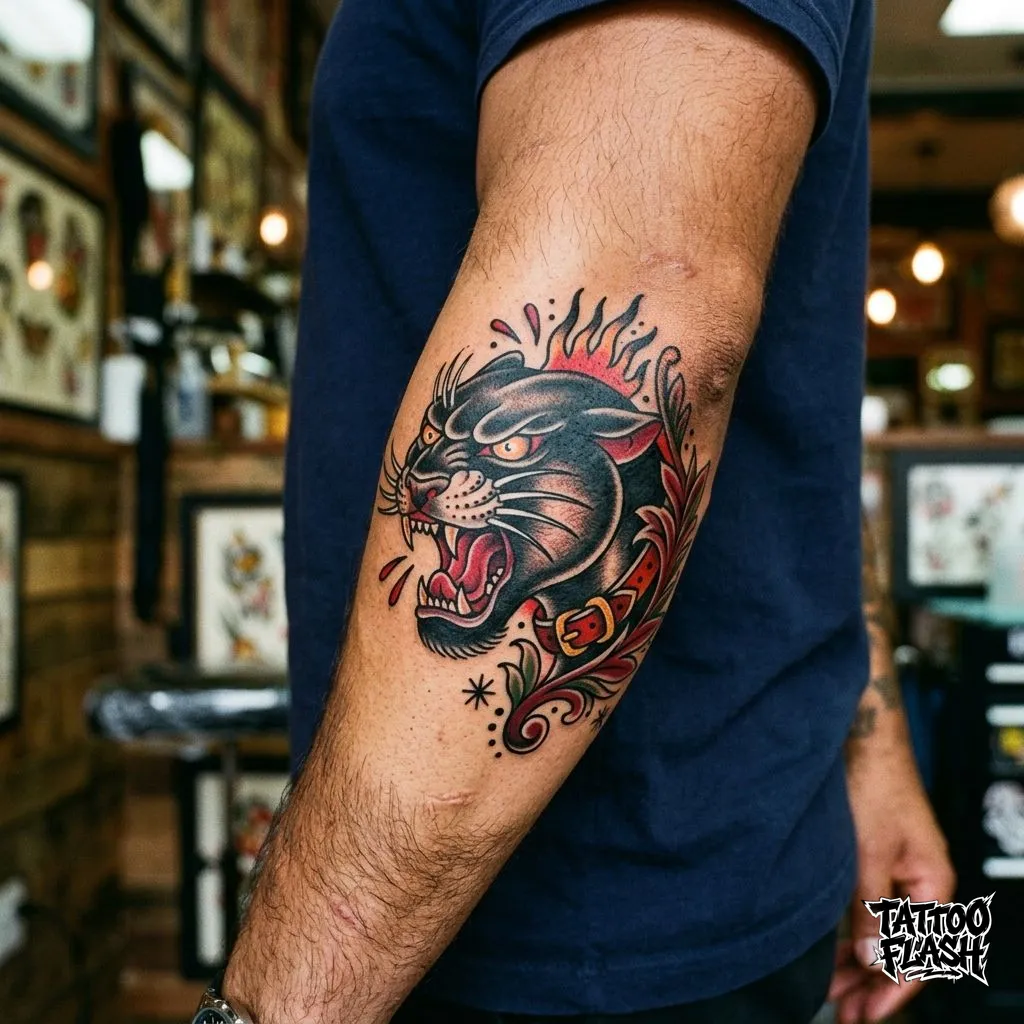 Outer forearm placements, like this traditional panther, provide a thick, muscular canvas that minimizes the sharp sting of the needle.
The inner bicep also ranks as relatively mild, though As you approach the armpit, the nerve density increases sharply. If you are leaning towards a delicate fine-line or minimalist aesthetic, the inner bicep is a perfect starting point since the thin needles cause significantly less trauma to the skin anyway.
 Fine-line work on the inner bicep is heavily recommended for first-timers due to the lower impact of the needle and the flesh's cushioning.
The Most Painful Places to Get a Tattoo
Now for the heavy hitters. The pain scale spikes dramatically when you transition to the torso, the joints, and the extremities. The ribs, sternum, spine, kneecaps, elbows, feet, hands, and high-visibility zones like the neck are widely considered the most brutal placements.
The sternum and ribs lack any protective muscle or fat cushioning. Here, the machine's vibration travels directly through your bone structure. Clients often report that rib tattoos don't just feel like a deep scratch; they feel like the artist is vibrating their actual soul. Furthermore, the constant expansion and contraction of your lungs mean the canvas is never truly static, forcing the artist to work slowly and adding to the exhaustion.
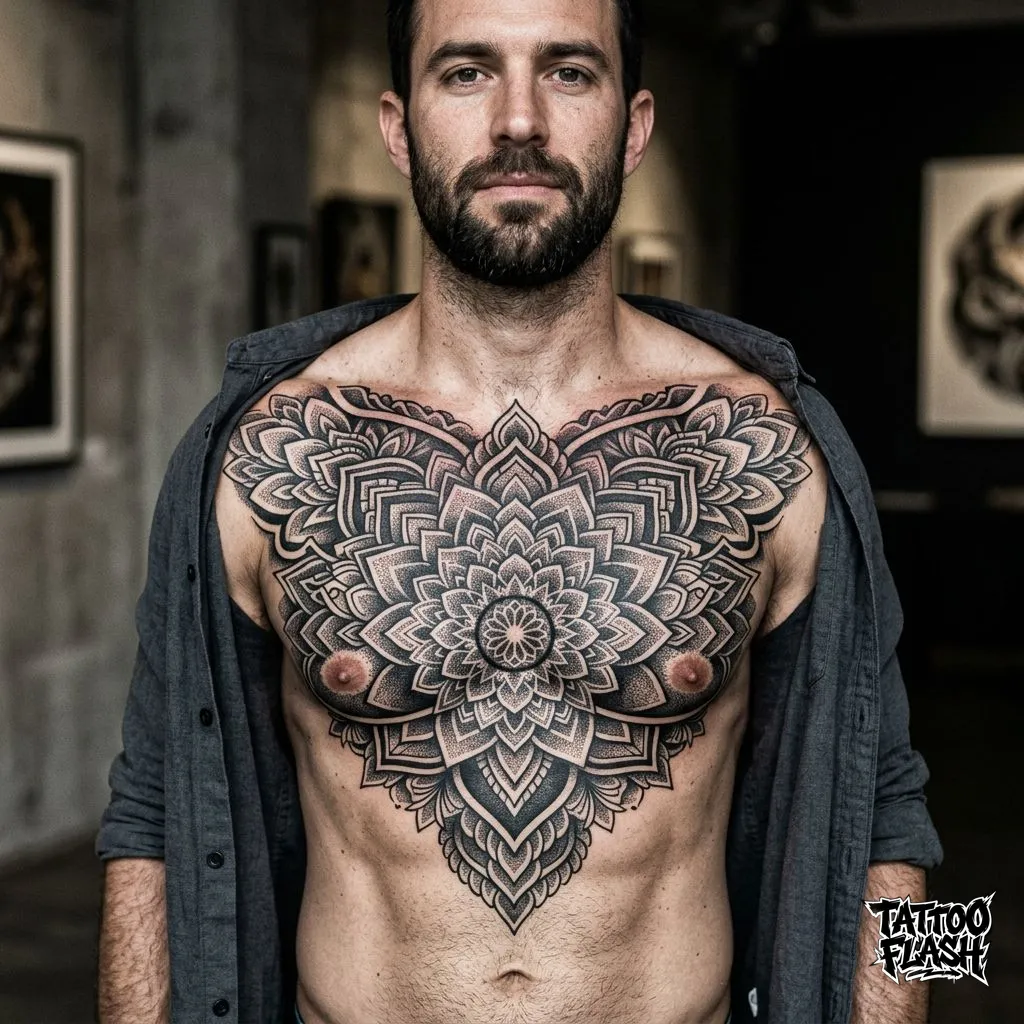 Massive blackwork on the sternum requires immense pain tolerance. The lack of fat over the breastbone means every pass vibrates the ribcage.
The joints (knees and elbows) pose a different challenge. The skin here is highly elastic and stretched tightly over the patella and olecranon bones. Heavy saturation in these areas is grueling for both the client and the artist.
 Neo-traditional color packing on the ribs. The dense pigment saturation requires multiple abrasive passes over exposed bone structures.
How to Manage the Pain
You cannot eliminate the pain entirely, but you can definitely manage it. First, ensure you have eaten a massive carbohydrate-heavy meal before your appointment. Tattoos cause an adrenaline spike; if your blood sugar is low, you risk experiencing the "tattoo flu" or passing out entirely.
Second, stay incredibly hydrated in the days leading up to the appointment. Hydrated skin accepts ink much easier, allowing the artist to make fewer passes over the same raw areas.
Finally, consider the scope of the design. If you want a full-day, eight-hour session on your ribs, you might want to rethink your strategy. Breaking it up into two four-hour sessions gives your nervous system a chance to reset. Why suffer pointlessly? Pair this with our Tattoo Placement Guide or the dedicated Do Neck Tattoos Hurt? breakdown when the placement itself is driving the decision, then map the piece early in our generator.
General Tattoo Aftercare
Regardless of the style or placement you choose, aftercare is the single most critical factor in how your tattoo will heal and age. A tattoo is an open wound, and treating it with respect ensures that the ink stays vibrant for decades.
First, always listen to your specific artist. They know how their ink sets into the skin and what their preferred healing method is, whether that is "dry healing" or using a specific medical-grade adhesive barrier like Saniderm.
For the first few weeks, you must keep the tattoo completely out of direct sunlight and avoid submerging it in water. Showers are fine, but baths, pools, and the ocean are strictly off-limits until the skin has completely flaked and sealed.
Keep the area hydrated with an unscented lotion or specialize tattoo balm. Do not over-moisturize, as this can smother the wound and cause breakouts, which lead to ink dropout. A good rule of thumb is to apply a tiny amount and rub it in completely. If the tattoo is shiny or greasy, you have applied too much.
Don't want a generic design?
Generate your own direction, keep the symbolism, and hand your artist a cleaner starting point.
About the contributor