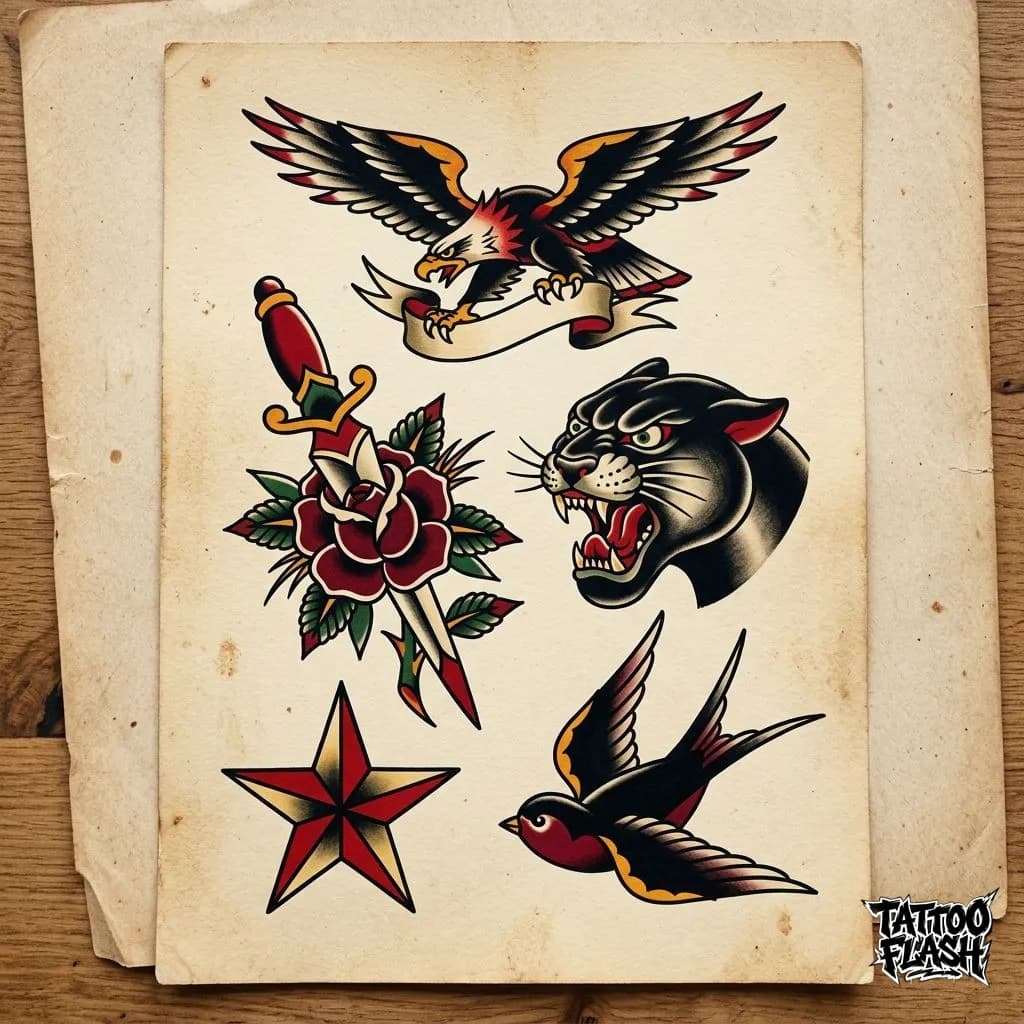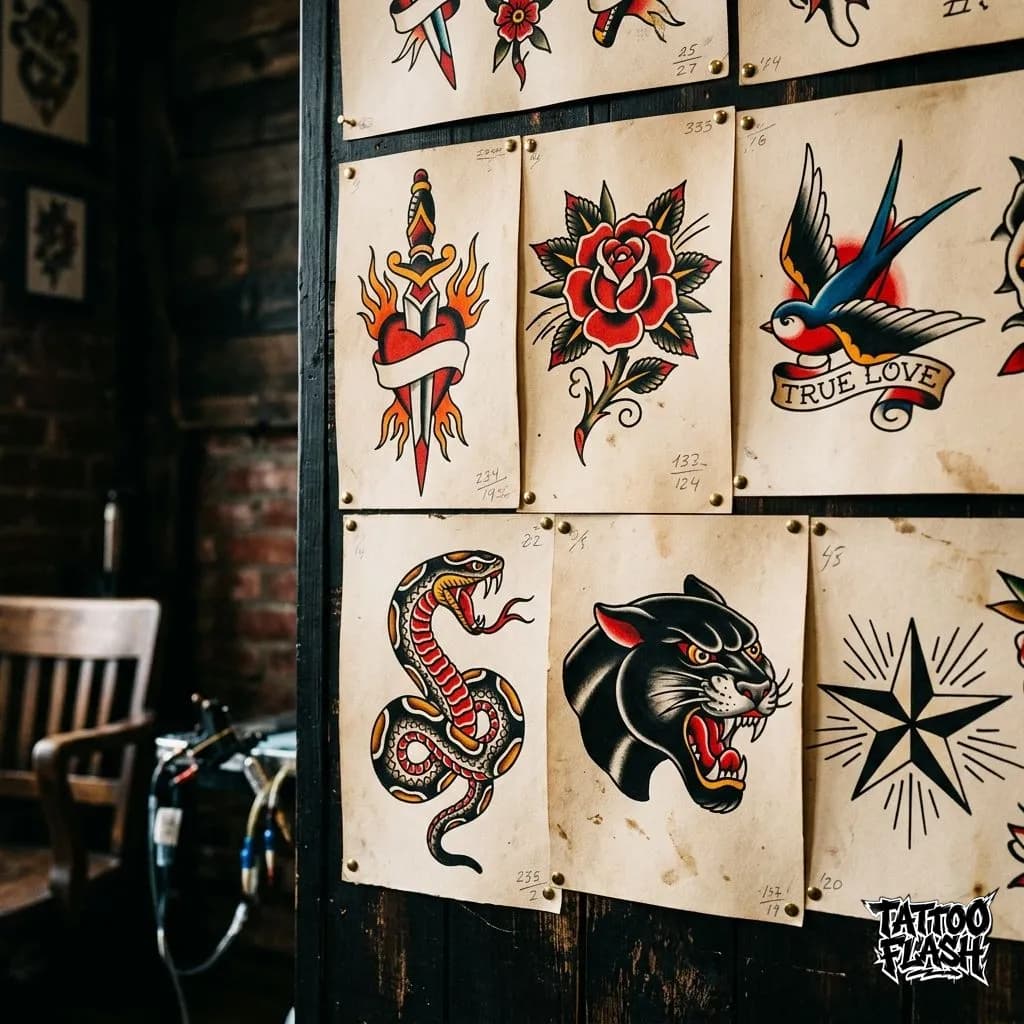
Understand how painful neck tattoos tend to be, what tradeoffs come with visibility, and which design types fit the placement best.
The Reality of Neck Tattoo Pain
If you are considering moving your tattoo collection above the collarline, you are likely asking the ultimate question: Do neck tattoos hurt as much as people claim? The short and honest answer is yes. The neck is widely considered an advanced placement strictly reserved for collectors who have already mapped out their pain tolerance on easier canvases like the forearm or thighs. If you are still comparing decision-first topics, the wider Tattoo Guides archive is the right place to start.
In our comprehensive Tattoo Pain Chart, the neck is consistently marked in the red zone. This is primarily due to the anatomical reality of the neck: it houses the jugular, trachea, esophagus, and a massive density of major nerve pathways, all hidden beneath incredibly thin, elastic skin that lacks structural fat buffering.
Front, Sides, and Back: Pain Zones of the Neck
Not all areas of the neck are created equal when the machine turns on.
The Nape (Back of the Neck): If you want a neck tattoo but fear the pain, the nape is your safest entry point. While the vibration of the machine heavily resonates through your cervical spine, the skin here is slightly thicker and less sensitive to blunt needle strikes than the throat area. It's an excellent location for Fine-line micro-tattoos or delicate symbols hidden just below the hairline.
 The nape of the neck is a moderately painful zone compared to the throat, perfect for delicate fine-line work.
The Sides of the Neck: The sides of the neck are a significant step up in pain. The closer the design creeps toward the clavicle or up beneath the ear (an area closely tied to the jawline), the sharper the sting becomes. Heavy Blackwork that requires intense packing of dark ink on the sides of the neck is a grueling endurance trial because the artist has to stretch the soft skin aggressively to get the geometric lines sharp.
 Heavy blackwork on the side of the neck requires aggressive skin stretching, making it a highly abrasive experience.
The Front of the Neck (Throat): The front of the neck (the throat and Adam's apple area) is universally feared. The skin incredibly thin, to the point where heavy saturation styles like American Traditional feel overwhelmingly invasive. Breathing and swallowing naturally alter the tension of the skin, making the linework process difficult for both the artist and the client.
 A traditional rose packed solidly over the trachea. The blunt force of bold liners here triggers extreme adrenaline spikes.
For a deeper dive into how aesthetic complexity changes the pain level, read our Tattoo Styles Explained guide. Intricate shading patterns over the thyroid cartilage usually demand multiple painful wipe-downs.
 A geometric mandala extending under the chin. This creates a terrifying sensation as the needle vibrates directly against the jawbone.
Healing and Aftercare Challenges Specific to the Neck
The pain doesn't entirely stop when the artist finishes. The neck is one of the most mobile parts of the human body. Every time you turn your head to check a blindspot, look down at your phone, or swallow food, the skin stretches. This constant mobility makes the healing process significantly more uncomfortable than an arm or leg.
Because of this constant movement, neck tattoos run a higher risk of "blowing out" (where ink spreads beneath the dermal layer) or healing poorly if not meticulously cared for. Keeping the scabs intact when simply moving your head threatens to crack them is deeply frustrating.
Furthermore, sun exposure is unavoidable. Unless you wear turtlenecks for exactly six weeks, you will have to battle UV rays trying to degrade your fresh ink. Make sure to apply a premium, unscented moisturizer religiously, but sparsely enough so that you don't suffocate the wound.
Are you ready to commit? Start experimenting with designs and specific placements on your own body right now using our AI Tattoo Generator.
General Tattoo Aftercare
Regardless of the style or placement you choose, aftercare is the single most critical factor in how your tattoo will heal and age. A tattoo is an open wound, and treating it with respect ensures that the ink stays vibrant for decades.
First, always listen to your specific artist. They know how their ink sets into the skin and what their preferred healing method is, whether that is "dry healing" or using a specific medical-grade adhesive barrier like Saniderm.
For the first few weeks, you must keep the tattoo completely out of direct sunlight and avoid submerging it in water. Showers are fine, but baths, pools, and the ocean are strictly off-limits until the skin has completely flaked and sealed.
Don't want a generic design?
Generate your own direction, keep the symbolism, and hand your artist a cleaner starting point.
About the contributor