JapaneseShoulder Blade
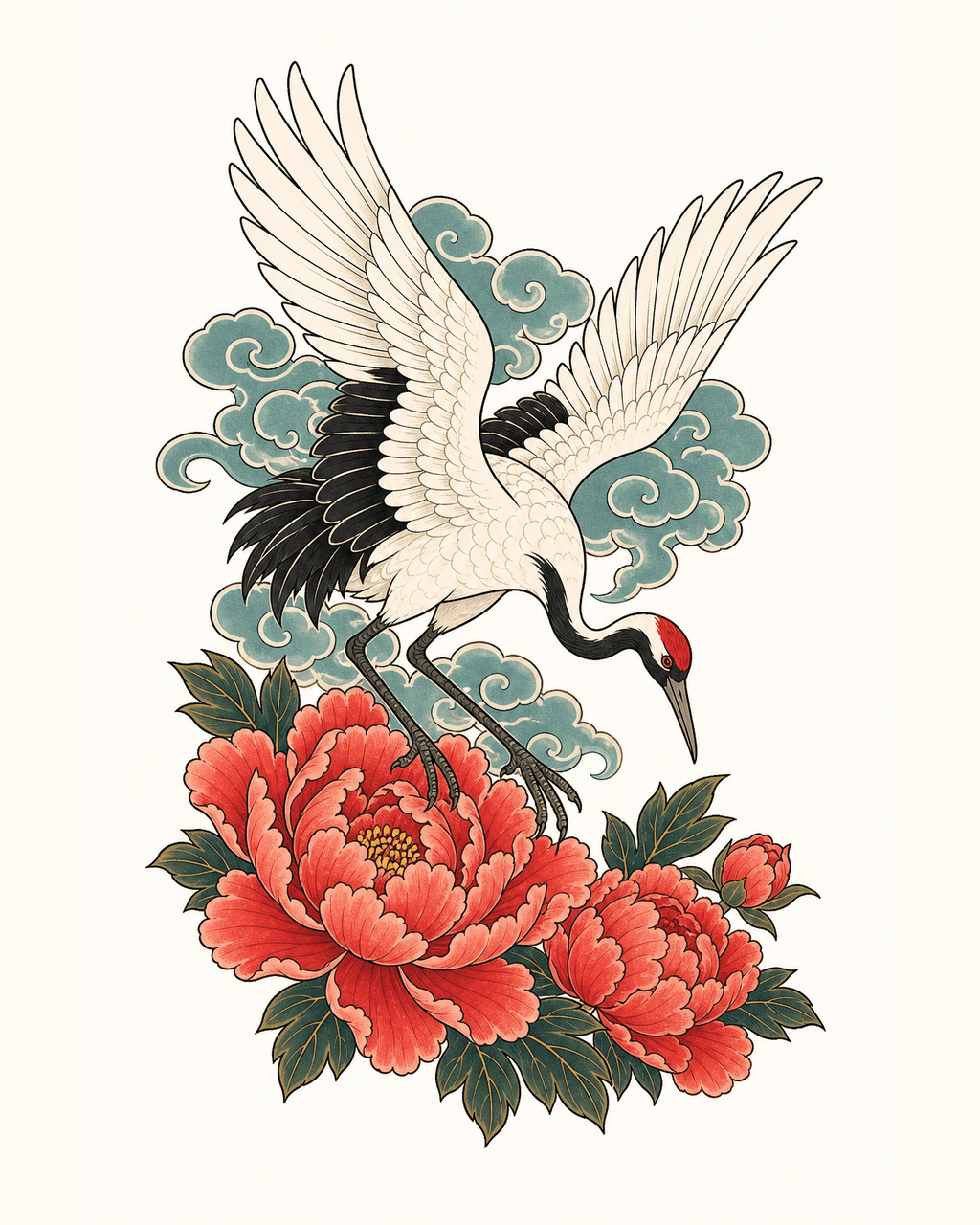
Japanese Crane and Peony Shoulder TattooPlacement Focus
Published reference: Japanese Crane and Peony Shoulder Tattoo. Compare diagonal flow, open space, and the design's relationship to the shoulder before preparing your artist brief.
Published references
1
Styles represented
1
Published styles
Japanese
Published reference: Japanese Crane and Peony Shoulder Tattoo. Use it to discuss outline, orientation, and coverage with your artist. Other sizes and compositions are planning options, not additional examples in this collection.
Specify the left or right shoulder blade and mark the intended boundary. A design contained on one blade has a different outline from one reaching toward the shoulder, spine, or upper arm.
When your subject includes wings, branches, or flowers, draw the main direction before adding detail. Compare a diagonal line across the blade with a more upright arrangement, and identify the open space around the focal subject.
Bring the reference, approximate width and height, and a sketch of the intended position. Explain which elements may extend beyond the blade and ask your artist to review the composition with your arm relaxed and raised.
