Discover the breathtaking precision of micro realism tattoos, an intensely detailed style that shrinks hyper-realistic portraits and scenes into miniature, single-needle masterworks.
The Magic of Micro-Realism
Realism tattooing has existed for decades, but it traditionally required massive canvases—entire backs, chests, or thigh panels—to capture the necessary detail for a photographic look. In recent years, advances in rotary tattoo machine technology and ultra-precise needle groupings have birthed a highly technical sub-genre: Micro-Realism.
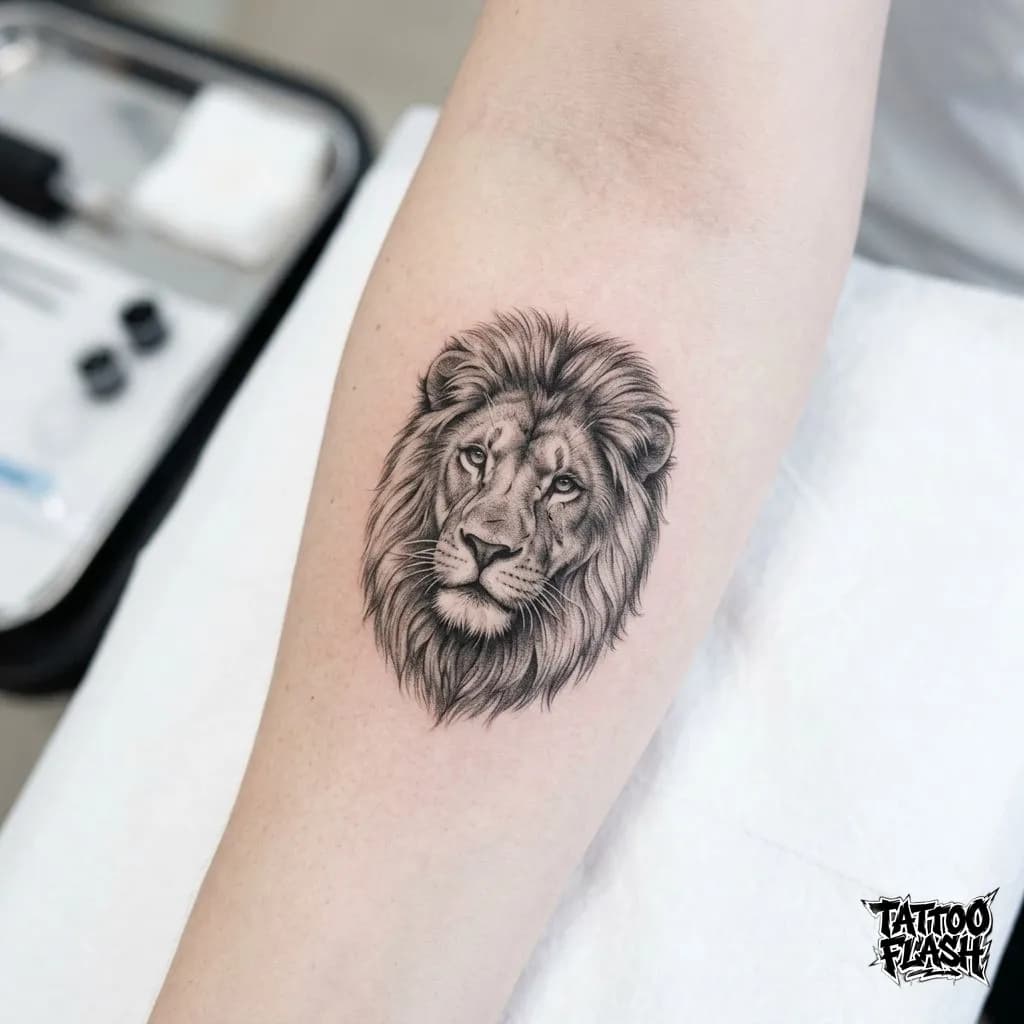
Micro-Realism allows artists to pack the staggering detail of a massive realism piece into a tattoo the size of a playing card or smaller. It requires absolute mastery of depth control, soft wash shading, and single-needle precision. Read our overview of broader Tattoo Styles to understand how this style abandons the thick, protective outlines used in traditional work. Then compare the dedicated Micro Realism style page, the parent Realism archive, and the wider Styles archive to judge how much detail your concept actually needs.
Common Motifs and Concepts
Because micro-realism allows for such delicate detail, the most popular subjects are those that require profound emotional resonance or exact photographic recreation.
Pet Portraits: The most common request in micro-realism is the pet portrait. Clients want a lifelike memorial of a dog or cat without needing to dedicate their entire bicep to the design. Smaller motifs can also work on refined placements like the collarbone or even behind the ear, but portraits usually need more breathing room than those tiny canvases provide. By using incredibly fine needles, artists can capture the distinct gleam in a dog's eye or the specific texture of its fur in a piece just two inches wide.
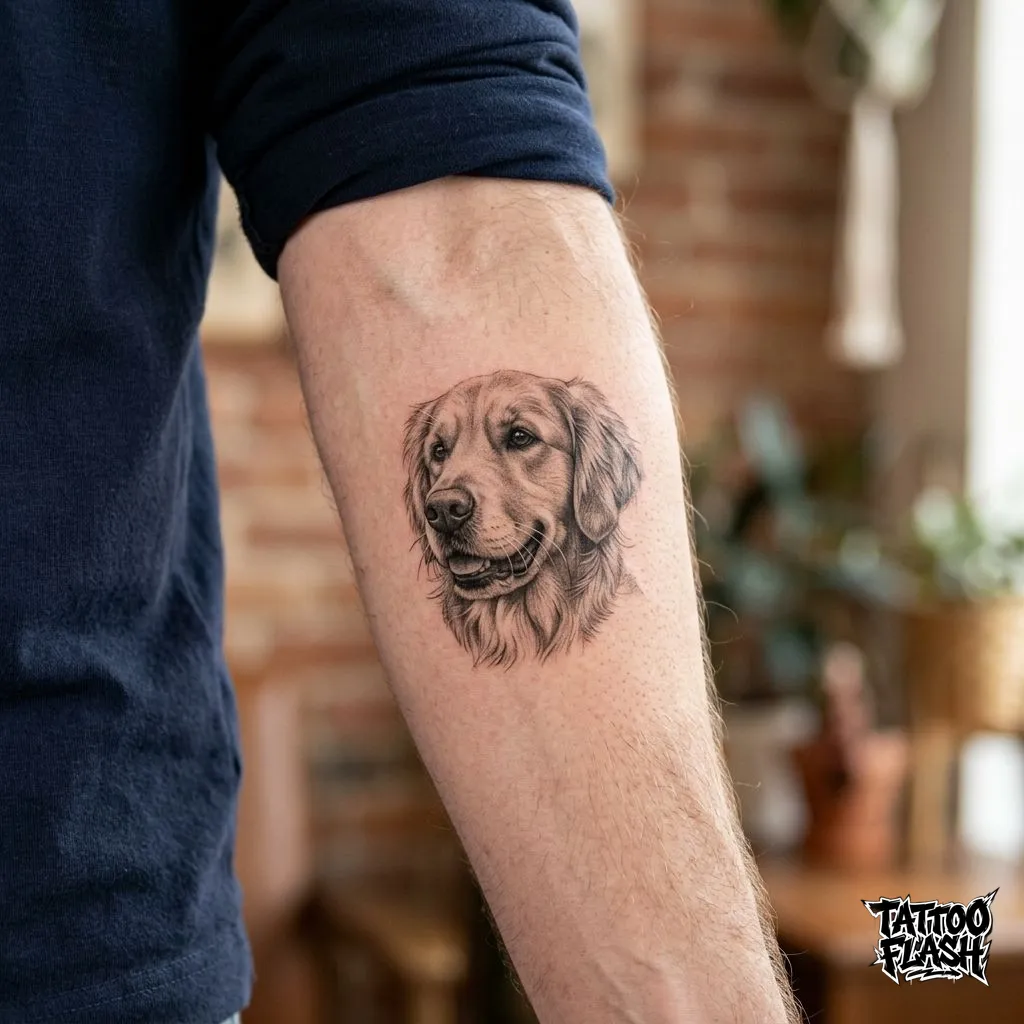 A micro-realism golden retriever portrait on the forearm. The artist maps the fur direction flawlessly without relying on hard black outlines.
Anatomical Details: Hyper-detailed anatomical features, most notably the human eye, are a staple of the genre. The challenge lies in creating the liquid reflections on the cornea and the delicate texture of the iris within a very confined space.
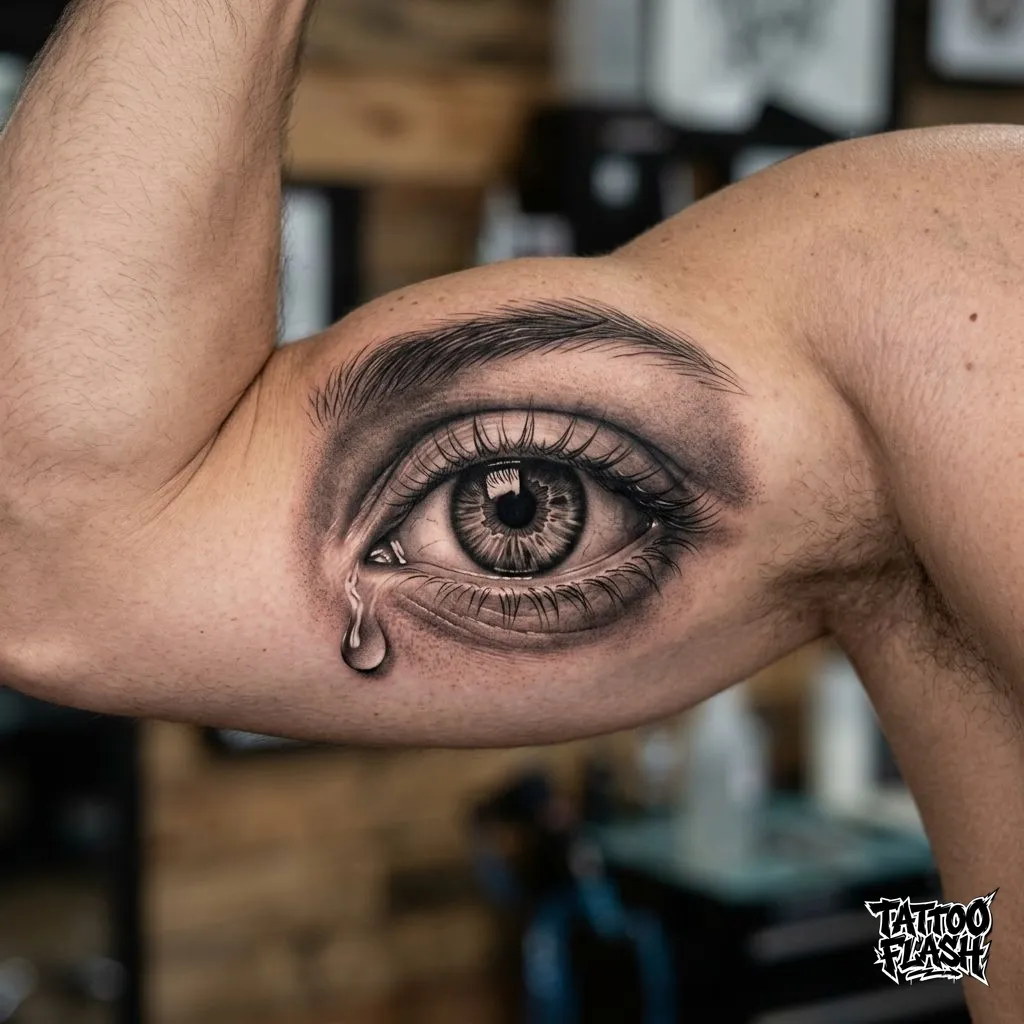 A hyper-realistic crying eye on the bicep. The smooth gradient shading creates a perfect illusion of depth and moisture.
Contained Landscapes: Instead of wrapping a mountain range entirely around a limb, micro-realism allows for tiny "windows" into landscapes. These are frequently contained within hard geometric borders (like circles or diamond shapes) to create a striking contrast between absolute structural geometry and hyper-realistic nature.
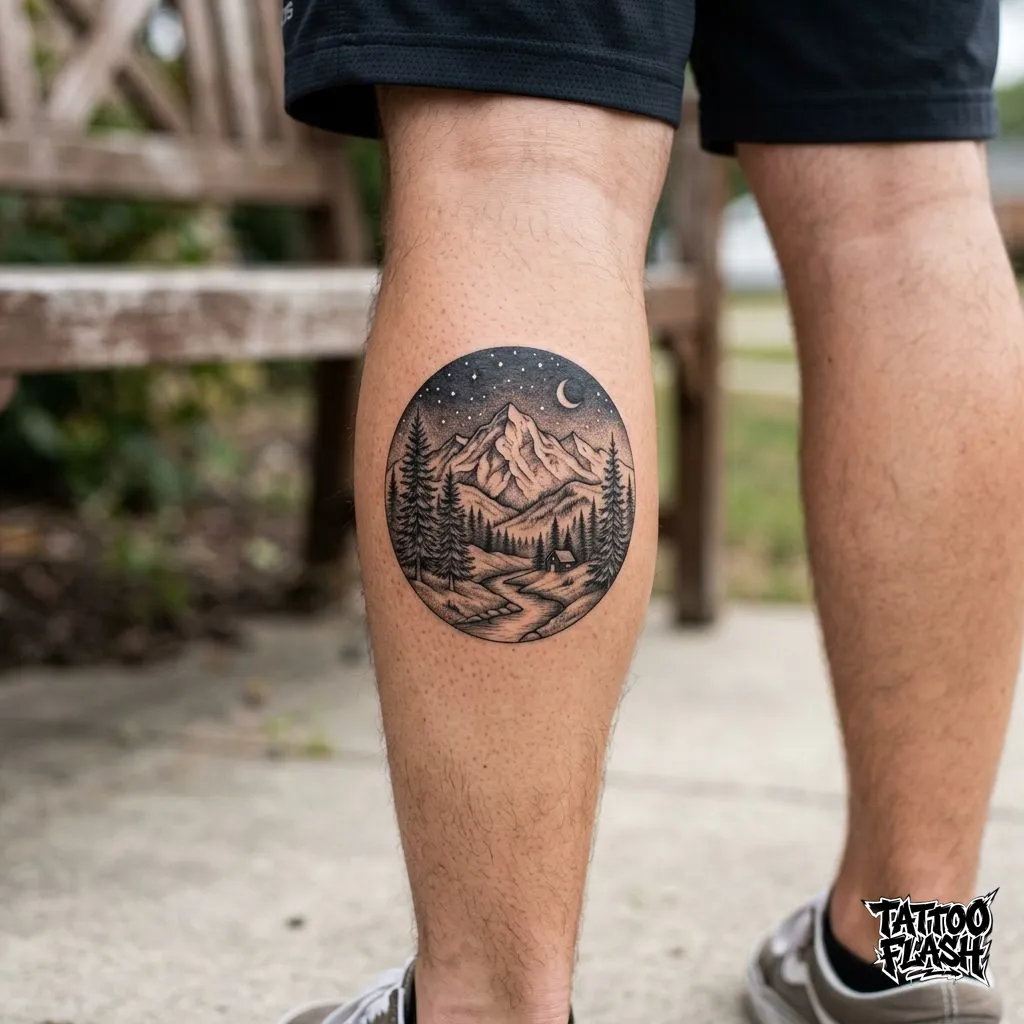 A tiny night landscape enclosed in a geometric circle on the calf. The stippled shading creates the illusion of a glowing night sky over the mountains.
Classical Statuary: Borrowing from the dark art and Blackwork space, micro-realism artists frequently recreate classical Greek and Roman marble busts. The challenge here is capturing the smooth, unblemished texture of stone purely through soft grey washes.
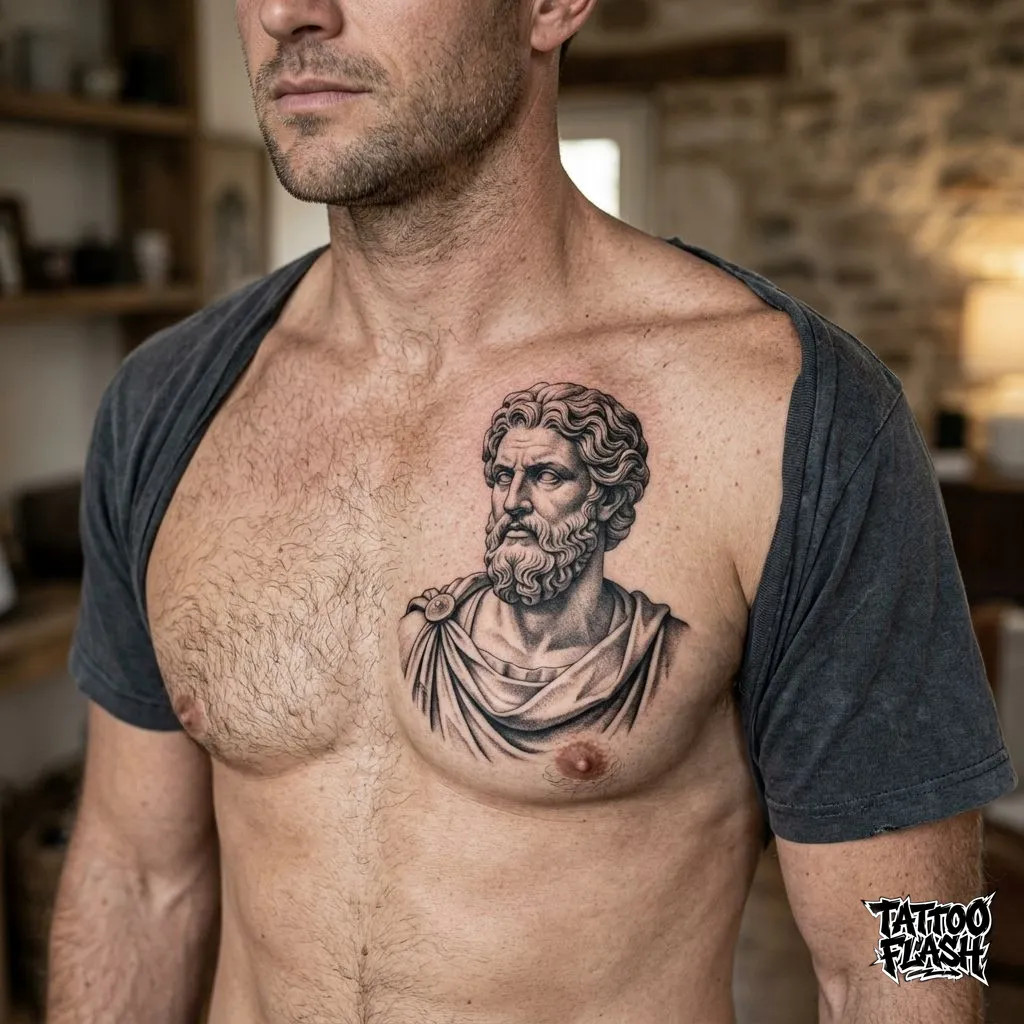 A flawless micro-realism marble statue on the chest. Capturing the soft folds of stone fabric requires incredible mastery of diluted black ink.
The Vulnerability of Micro-Realism
While stunning, you must be realistic about how this style ages. Micro-realism lacks the thick, bold outlines that hold ink in place over decades. Because the shading is so soft and the dimensions so small, these tattoos are incredibly susceptible to "dropping out" or fading into a muddy blur if they are exposed to the sun.
You absolutely must protect micro-realism pieces by wearing SPF 50 sunscreen every single day they are exposed. If you want to see if your concept can be compressed into a micro-realism piece before you book, run it through our AI Tattoo Generator.
General Tattoo Aftercare
Regardless of the style or placement you choose, aftercare is the single most critical factor in how your tattoo will heal and age. A tattoo is an open wound, and treating it with respect ensures that the ink stays vibrant for decades.
First, always listen to your specific artist. They know how their ink sets into the skin and what their preferred healing method is, whether that is "dry healing" or using a specific medical-grade adhesive barrier like Saniderm.
For the first few weeks, you must keep the tattoo completely out of direct sunlight and avoid submerging it in water. Showers are fine, but baths, pools, and the ocean are strictly off-limits until the skin has completely flaked and sealed.
Don't want a generic design?
Generate your own direction, keep the symbolism, and hand your artist a cleaner starting point.
About the contributor
Editorial Contributor
TattooFlash Edit contributes to the TattooFlash editorial library.